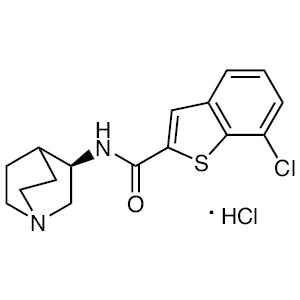
TCI E1453, bearing CAS number 550999-74-1, is the hydrochloride salt of the compound known in the literature as EVP-6124 or encenicline, supplied as a pharmaceutical research reagent within the life science portfolio. The compound has been widely studied as a selective partial agonist at the alpha-7 subtype of the nicotinic acetylcholine receptor (α7 nAChR), a target of considerable interest in neuropharmacology and cognition research. In the laboratory it serves as a test compound for probing the role of nicotinic cholinergic pathways in the nervous system. The material is supplied strictly for experimental purposes and is not intended for human or veterinary therapeutic use.
Several properties make this reagent a preferred choice for investigators working on cholinergic signalling. The hydrochloride salt form is generally selected because it offers better solubility in water or buffer systems than the corresponding free base, which simplifies the preparation of stock solutions for in vitro assays and cell culture treatments. Selectivity for the α7 subtype is an equally important attribute, since it allows researchers to distinguish the contribution of that receptor from the other nicotinic subtypes distributed broadly across neural tissue. A single, unambiguous CAS number gives the material a clearly defined chemical identity, which matters when experimental results must be traced back to a specific substance.
In Indonesian laboratories, reagents of this type are typically found in university pharmacology departments, neuroscience research groups, and institutional research centres engaged in receptor pharmacology. The small 10 mg pack reflects the character of a high-value reagent that is normally consumed in small quantities across a defined series of experiments rather than in routine bulk work. Such packaging suits research programmes where a single compound is evaluated carefully over a planned set of assays, with careful record keeping of each aliquot prepared.
TCI brochures (PDF)
- Thiophenes 2026-06-29 · p. 11
- Pharmaceutical Ingredients for Research and Experimental Use 2026-03-09 · p. 27
- Receptor pharmacology studies: the compound acts as a selective α7 nicotinic acetylcholine receptor partial agonist, making it a suitable tool for characterising ligand behaviour at this specific receptor subtype.
- Neuropharmacology research: investigators use it to examine how nicotinic cholinergic signalling pathways operate within the nervous system under controlled experimental conditions in the laboratory.
- Cognition-related mechanistic work: because the α7 receptor is a target of interest in cognition research, the reagent supports mechanistic studies exploring that pathway experimentally.
- In vitro assay development: the hydrochloride salt form generally dissolves more readily in aqueous or buffered media, which makes the preparation of reliable stock solutions considerably more straightforward.
- Cell culture treatment studies: researchers apply prepared solutions of the compound to cultured cells in order to observe responses attributable specifically to α7 receptor activation.
| Brand | TCI |
|---|---|
| CAS number | 550999-74-1 |
| Molecular formula | — |
| Purity | — |
| Category | Life Science > Biochemicals and Reagents > Pharmaceutical Research Reagents (for Experimental Use) |
| Pack sizes | 10 mg |
| Physical form | — |
| Storage | refer to the manufacturer's label on the original container for the specified storage conditions |
- Chemical form: hydrochloride salt of EVP-6124 (encenicline)
Keep the reagent in its original, tightly closed container and follow the storage conditions stated on the manufacturer's label. A cool, dry location away from direct light, heat sources, and moisture is appropriate for a reagent of this class, and containers should be returned to storage promptly after each use to limit exposure. Weigh and transfer the material inside a fume hood using clean, dry spatulas, and prepare stock solutions in suitable chemically resistant labware. Wear a laboratory coat, safety glasses, and gloves when handling the compound. Because this is a pharmacologically active research reagent intended only for experimental use, restrict handling to trained personnel, avoid inhalation of any powder or contact with skin and eyes, and dispose of residues and contaminated consumables through the laboratory's chemical waste procedure. Consult the safety data sheet before first use.
—
Product Categories
- Biochemicals and ReagentsPharmaceutical Research Reagents (for Experimental Use)Neurotransmitter Agent Ingredients (for Research and Experimental Use)
- Cell BiologyBioactive Small MoleculesReceptor Agonists
- Cell BiologyCell Signaling and NeuroscienceNeuroscience
- Pharmaceutical Development and Drug Discovery ResearchPharmaceutical Research Reagents (for Experimental Use)Neurotransmitter Agent Ingredients (for Research and Experimental Use)
Produk Terkait
-
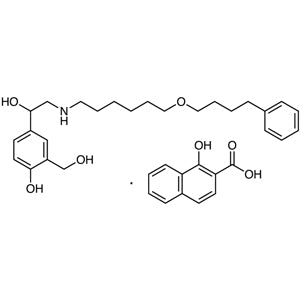
SalmeterolXinafoate TCI A3190
Regular price From Rp 7.897.050,00Regular price -
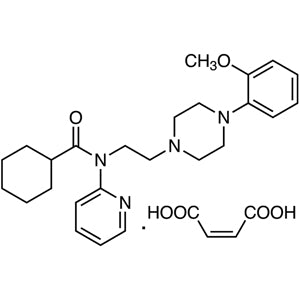
WAY-100635Maleate TCI W0016
Regular price From Rp 5.247.900,00Regular price -
TolazolineHydrochloride TCI T3791
Regular price Rp 1.644.300,00Regular price -
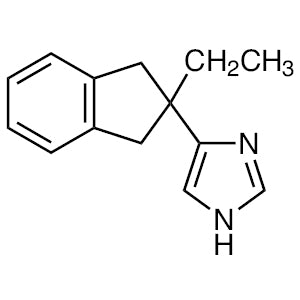
Atipamezole TCI A3259
Regular price From Rp 3.630.900,00Regular price -
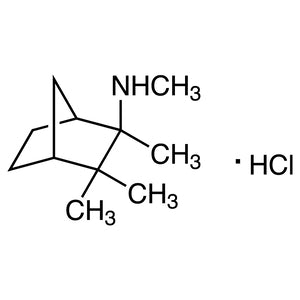
MecamylamineHydrochloride TCI M3503
Regular price Rp 5.300.400,00Regular price -
LoteprednolEtabonate TCI L0327
Regular price From Rp 1.378.650,00Regular price -
4-AminobutyricAcid TCI A0282
Regular price From Rp 505.050,00Regular price -
AtropineSulfateMonohydrate TCI A0550
Regular price From Rp 1.856.400,00Regular price