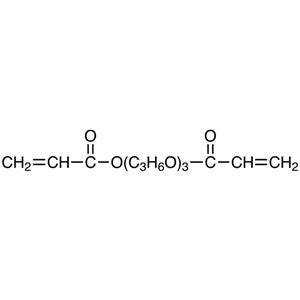
Acrylic Anhydride (stabilized with MEHQ), with CAS number 2051-76-5, is a chemical compound widely used as a building block in various chemical reactions. It plays a crucial role in organic synthesis, particularly in reactions requiring high reactivity. This compound is commonly found in chemical laboratories, where it serves as a versatile reagent for the formation of esters, amides, and other functional groups. Its ability to react with multiple functional groups makes it an essential component in synthetic chemistry.
Acrylic Anhydride is favored for its reactivity in esterification and nucleophilic reactions. The stabilization with MEHQ significantly enhances its stability, reducing the risk of degradation due to oxidation. This makes it a safer and more reliable option for laboratory use. Its controlled reactivity ensures that it can be used in a wide range of applications without compromising the integrity of the reaction. The presence of MEHQ also extends its shelf life, making it a preferred choice for both research and industrial settings.
In Indonesian laboratories, Acrylic Anhydride is commonly used in pharmaceutical and polymer research. It is a key reagent in the synthesis of various organic compounds, including esters and amides. Its high reactivity and stability make it suitable for applications that require precise chemical reactions and controlled conditions. It is frequently used in academic and industrial research to develop new materials and compounds with specific chemical properties.
TCI brochures (PDF)
- Biomaterials Research Reagents 2025-02-19 · p. 8
- Monomers 2025-05-28 · p. 4
Related TCI products
- TCI M3139 760-93-0 Methacrylic Anhydride [stabilized with 1,1,3-Tris(3-tert-butyl-4-hydroxy-6-methylphenyl)butane]
- TCI A0141 79-10-7 Acrylic Acid (stabilized with MEHQ)
- TCI A0145 96-33-3 Methyl Acrylate (stabilized with MEHQ)
- TCI A0144 103-11-7 2-Ethylhexyl Acrylate Monomer (stabilized with MEHQ)
- TCI A0142 141-32-2 Butyl Acrylate (stabilized with MEHQ)
- TCI U0117 31098-20-1 3-Sulfopropyl Acrylate Potassium Salt
- Ester Synthesis: Acrylic Anhydride is ideal for esterification reactions due to its reactivity and ability to form stable ester bonds.
- Amide Formation: Its nucleophilic nature makes it suitable for amide synthesis through nucleophilic attack on the anhydride group.
- Organic Compound Synthesis: It serves as a versatile building block for the creation of complex organic molecules with high functional group reactivity.
- Polymer Research: Its chemical properties are useful in the development of new polymer materials and cross-linking agents.
- Pharmaceutical Development: It is used in the synthesis of pharmaceutical compounds that require controlled reactivity and stability.
| Brand | TCI |
|---|---|
| CAS number | 2051-76-5 |
| Molecular formula | — |
| Purity | — |
| Category | Chemistry > Building Blocks > Non-Heterocyclic Building Blocks |
| Pack sizes | Available in various quantities as per supplier specifications |
| Physical form | Liquid |
| Storage | Store in a cool, dry place away from light and incompatible materials |
Acrylic Anhydride should be stored in a cool, dry environment, away from direct sunlight and sources of heat. It is recommended to keep it in a sealed container to prevent exposure to air and moisture. Due to its reactivity, it should be stored separately from strong bases and reducing agents to avoid unwanted chemical reactions. Proper ventilation is essential when handling this compound to minimize inhalation risks. Always use appropriate personal protective equipment, including gloves and safety goggles, when working with this material. Regular monitoring of storage conditions ensures the compound remains stable and safe for use in laboratory settings.
—
Product Categories
Produk Terkait
-
MethacrylicAnhydride[stabilizedwith1,1,3-Tris(3-tert-butyl-4-hydroxy-6-methylphenyl)butane] TCI M3139
Regular price From Rp 1.246.350,00Regular priceRp 887.250,00Sale price From Rp 1.246.350,00 -
AcrylicAcid(stabilizedwithMEHQ) TCI A0141
Regular price From Rp 452.550,00Regular priceRp 316.050,00Sale price From Rp 452.550,00 -
MethylAcrylate(stabilizedwithMEHQ) TCI A0145
Regular price From Rp 477.750,00Regular priceRp 333.900,00Sale price From Rp 477.750,00 -
2-EthylhexylAcrylateMonomer(stabilizedwithMEHQ) TCI A0144
Regular price From Rp 505.050,00Regular priceRp 352.800,00Sale price From Rp 505.050,00 -
ButylAcrylate(stabilizedwithMEHQ) TCI A0142
Regular price From Rp 505.050,00Regular priceRp 352.800,00Sale price From Rp 505.050,00 -
3-SulfopropylAcrylatePotassiumSalt TCI U0117
Regular price Rp 1.565.550,00Regular priceRp 1.094.100,00Sale price Rp 1.565.550,00 -
TetramethyleneGlycolDimethacrylate(stabilizedwithMEHQ) TCI T3488
Regular price Rp 3.763.200,00Regular priceRp 2.631.300,00Sale price Rp 3.763.200,00 -
TripropyleneGlycolDiacrylate(stabilizedwithMEHQ) TCI T2389
Regular price From Rp 477.750,00Regular priceRp 333.900,00Sale price From Rp 477.750,00