Acetic Acid TCI A3377, with CAS number 64-19-7, is a widely used chemical in analytical chemistry, particularly in liquid chromatography and mass spectrometry applications. It serves as a versatile solvent and reagent, essential for various laboratory processes. Its chemical stability and availability make it a reliable choice for high-quality reagent requirements. This compound is commonly employed in both qualitative and quantitative analysis due to its ability to dissolve a wide range of substances and its compatibility with chromatographic systems.
The properties of Acetic Acid TCI A3377, including its moderate polarity and ability to form hydrogen bonds, make it a preferred choice in chromatographic separations. Its low toxicity and high solubility in water and organic solvents enhance its utility in diverse analytical methods. Additionally, its inert nature under controlled conditions allows it to be used in sensitive analytical procedures without interfering with the target compounds. These characteristics ensure consistent and accurate results in laboratory settings.
In Indonesian laboratories, Acetic Acid TCI A3377 is frequently used in chemical analysis and quality testing of materials. It plays a key role in research, environmental testing, and pharmaceutical analysis. Its high purity and clarity make it suitable for applications requiring precision and reproducibility. The compound is an essential component in many analytical workflows, supporting both routine and specialized laboratory operations.
TCI brochures (PDF)
- Buffers and Additives for Oligonucleotide LC Analysis 2025-06-03 · p. 1
Related TCI products
- TCI I0863 1798-06-7 2-(4-Iodophenyl)acetic Acid
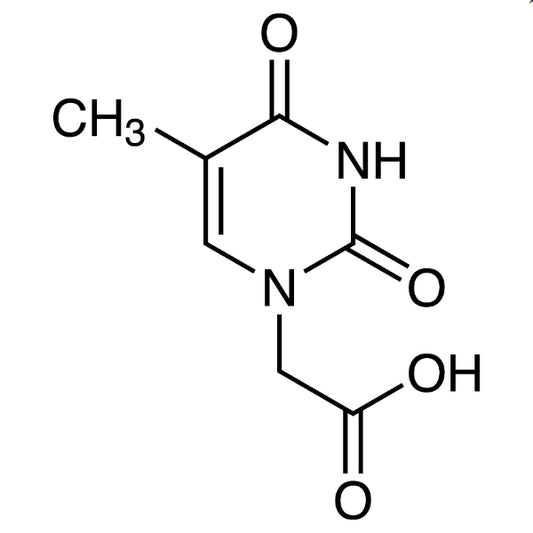
- TCI T4102 20924-05-4 Thymine-1-acetic Acid
- TCI T3754 797755-07-8 2-[4-(4,4,5,5-Tetramethyl-1,3,2-dioxaborolan-2-yl)phenyl]acetic Acid
- TCI T2941 652-37-9 Theophylline-7-acetic Acid
- TCI T2737 21743-75-9 1H-Tetrazole-5-acetic Acid
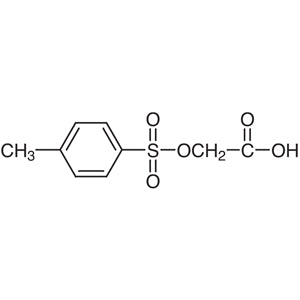
- TCI T2727 39794-77-9 2-(p-Toluenesulfonyloxy)acetic Acid
- Liquid Chromatography: Acetic Acid TCI A3377 is used as a mobile phase component to improve separation efficiency and ionization in LC-MS systems.
- Mass Spectrometry Analysis: It enhances ionization processes and ensures accurate detection of analytes in complex samples.
- Environmental Testing: The compound is utilized in the analysis of pollutants and contaminants in water and soil samples.
- Pharmaceutical Research: It serves as a solvent and reagent in the synthesis and analysis of drug compounds.
- Quality Control Testing: Acetic Acid TCI A3377 is employed to standardize and validate analytical methods for product consistency.
| Brand | TCI |
|---|---|
| CAS number | 64-19-7 |
| Molecular formula | — |
| Purity | — |
| Category | Analytical Chemistry > Analytical Reagents > Chromatography Reagents and Solvents |
| Pack sizes | Available in various sizes as per standard laboratory requirements |
| Physical form | Liquid |
| Storage | Store in a cool, dark place away from incompatible materials |
Acetic Acid TCI A3377 should be stored in a cool, dark location to maintain its stability and prevent degradation. It is recommended to use sealed containers to minimize exposure to air and moisture, which can affect its purity. Due to its corrosive nature, it should be handled with appropriate personal protective equipment, such as gloves and safety goggles. In laboratory settings, it should be kept away from incompatible substances like strong oxidizing agents. Proper ventilation is essential when working with this compound to avoid inhalation of vapors. Regular monitoring of storage conditions ensures the integrity and safety of the material during use.
—
Produk Terkait
-
2-(4-Iodophenyl)aceticAcid TCI I0863
Regular price From Rp 1.272.600,00Regular priceRp 905.100,00Sale price From Rp 1.272.600,00 -
Thymine-1-aceticAcid TCI T4102
Regular price From Rp 3.843.000,00Regular priceRp 2.702.700,00Sale price From Rp 3.843.000,00 -
2-[4-(4,4,5,5-Tetramethyl-1,3,2-dioxaborolan-2-yl)phenyl]aceticAcid TCI T3754
Regular price From Rp 1.351.350,00Regular priceRp 960.750,00Sale price From Rp 1.351.350,00 -
Theophylline-7-aceticAcid TCI T2941
Regular price Rp 1.087.800,00Regular priceRp 775.950,00Sale price Rp 1.087.800,00 -
1H-Tetrazole-5-aceticAcid TCI T2737
Regular price From Rp 5.672.100,00Regular priceRp 3.981.600,00Sale price From Rp 5.672.100,00 -
2-(p-Toluenesulfonyloxy)aceticAcid TCI T2727
Regular price Rp 4.796.400,00Regular priceRp 3.369.450,00Sale price Rp 4.796.400,00 -
[(tert-Butoxycarbonyl)aminooxy]aceticAcid TCI B3338
Regular price From Rp 1.618.050,00Regular priceRp 1.146.600,00Sale price From Rp 1.618.050,00 -
1,2-Benzisoxazole-3-aceticAcid TCI B2912
Regular price Rp 2.835.000,00Regular priceRp 1.998.150,00Sale price Rp 2.835.000,00