N-Acetoxy-N-chloro-4-nitrobenzamide is a synthetic reagent widely used in organic chemistry laboratories. This compound plays a crucial role in various synthetic reactions, particularly those involving halogen substitution and functional group transformations. Its unique molecular structure enables it to participate in a range of chemical processes, making it an essential tool for researchers working on complex molecule synthesis. Due to its reactivity and versatility, it is frequently employed in the development of pharmaceutical compounds and industrial chemicals.
The compound’s chemical properties make it a preferred choice for controlled synthetic reactions. It exhibits stability under specific conditions, which allows for predictable outcomes in laboratory settings. However, it is sensitive to moisture and light exposure, necessitating careful handling and storage. These characteristics make it ideal for applications requiring precise environmental control. Its reactivity also means that it must be used with caution to avoid unintended side reactions.
In Indonesian laboratories, N-Acetoxy-N-chloro-4-nitrobenzamide is commonly used in organic chemistry research, especially in pharmaceutical and chemical industries. Researchers in educational and research institutions rely on this compound to develop new compounds with medical or industrial applications. Its role in creating complex molecular structures is vital for advancing chemical innovation in the region.
Advantages (TCI brochure)
- Easy-to-handle solid
- Enables regioselective halogenation of drug-like complicated hetero aromatics in mild conditions
- Applicable to multi-gram scale synthesis and continuous flow technique
- Suitable for late-stage functionalization in drug discovery research
- Applicable to less reactive substrates that are challenging with traditional reagents
- Shows even higher reactivity than C4028, owing to its anomeric amide moiety
- Recommended for chlorination if C4028 does not work
TCI brochures (PDF)
- High-Performance Chlorinating Agents and Brominating Agent for Regioselective Halogenation of (Hetero)arenes 2025-03-13 · p. 1
- Halogenation Reagents 2026-04-03 · p. 3
- Halogen substitution reactions on aromatic compounds for the synthesis of complex molecules.
- Development of pharmaceutical compounds with nitrogen and halogen-containing structures.
- Functional group transformation in organic synthesis to create diverse chemical intermediates.
- Research in medicinal chemistry for the design of new drug molecules with specific biological activity.
- Industrial chemical synthesis for the production of specialty chemicals and intermediates.
From the TCI brochure
- Synthesis of halogenated building blocks
- Late-stage functionalization of biologically active compounds
- Regioselective chlorination of (hetero)arenes in CHCl3 or CH3CN, r.t. - 60 C
| Brand | TCI |
|---|---|
| CAS number | 2991507-62-9 |
| Molecular formula | — |
| Purity | — |
| Category | Chemistry > Synthetic Reagents > C-X(Halogen) Bond Formation |
| Pack sizes | Available in various quantities as per supplier specifications |
| Physical form | Solid |
| Storage | Store in a cool, dry place away from light and moisture |
This compound should be stored in a cool, dry environment, away from direct light and moisture to maintain its chemical stability. It is recommended to use airtight containers made of materials that do not react with the compound, such as glass or high-density polyethylene. Due to its sensitivity to environmental factors, it is important to handle it with care and avoid exposure to humidity or light. In laboratory settings, it should be kept in a controlled storage area with appropriate ventilation. Proper labeling and storage conditions are essential to ensure safety and maintain the compound’s effectiveness for use in synthetic reactions.
References cited in the TCI brochure
- Yu Wang. Discovery of N–X anomeric amides as electrophilic halogenation reagents Nature Chemistry, 2024. doi:10.1038/s41557-024-01539-4
Produk Terkait
-
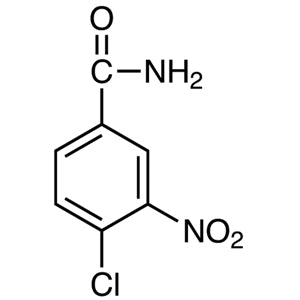
4-Chloro-3-nitrobenzamide TCI C3176
Regular price From Rp 1.749.300,00Regular priceRp 1.239.000,00Sale price From Rp 1.749.300,00 -
2-Chloro-4-nitrobenzamide TCI C2829
Regular price Rp 1.087.800,00Regular priceRp 775.950,00Sale price Rp 1.087.800,00 -
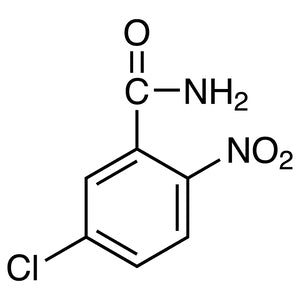
5-Chloro-2-nitrobenzamide TCI C1978
Regular price From Rp 2.093.700,00Regular priceRp 1.479.450,00Sale price From Rp 2.093.700,00 -
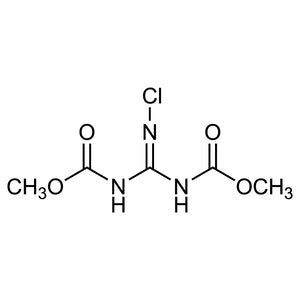
2-Chloro-1,3-bis(methoxycarbonyl)guanidine TCI C4028
Regular price From Rp 900.900,00Regular priceRp 645.750,00Sale price From Rp 900.900,00 -
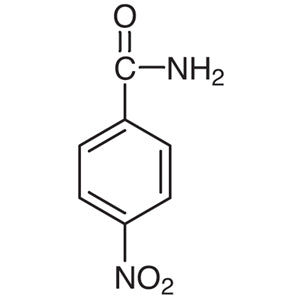
4-Nitrobenzamide TCI N0323
Regular price From Rp 1.272.600,00Regular priceRp 905.100,00Sale price From Rp 1.272.600,00 -
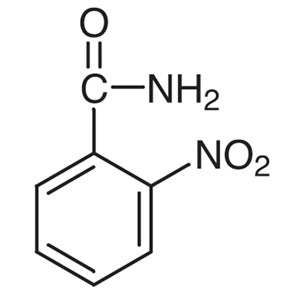
2-Nitrobenzamide TCI N0322
Regular price Rp 3.312.750,00Regular priceRp 2.332.050,00Sale price Rp 3.312.750,00 -
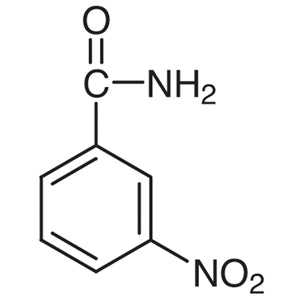
3-Nitrobenzamide TCI N0321
Regular price From Rp 1.087.800,00Regular priceRp 775.950,00Sale price From Rp 1.087.800,00 -
4-Bromo-3-nitrobenzaldehyde TCI B5101
Regular price From Rp 717.150,00Regular priceRp 500.850,00Sale price From Rp 717.150,00