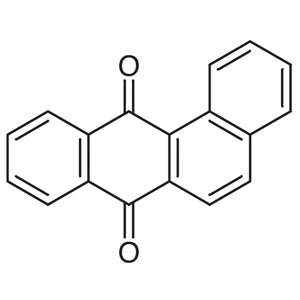
Benzanthrone is a chemical compound widely used in various laboratory applications, particularly in the synthesis of organic compounds. As a key building block in chemical research, it plays a vital role in the formation of complex molecular structures. Its chemical stability and controlled reactivity make it a reliable choice for researchers aiming to produce intermediates with high purity and consistency. Benzanthrone is especially valued in synthetic pathways where precise control over reaction conditions is essential.
One of the main reasons benzanthrone is preferred is its chemical stability and predictable reactivity. These properties allow it to be used in a wide range of chemical reactions without undergoing unwanted side reactions. Its resistance to certain chemical conditions also enhances its versatility in different experimental setups. Additionally, benzanthrone’s ability to maintain its integrity under varied laboratory environments makes it a dependable material for both academic and industrial research.
In Indonesian laboratories, benzanthrone is commonly used in organic chemistry and analytical chemistry research. It is a critical component in the development of new compounds and the study of reaction mechanisms. Its application is particularly relevant in academic institutions and research centers that focus on chemical synthesis and material science. The compound’s reliability and performance make it a popular choice among Indonesian scientists and educators.
Related TCI products
- Organic synthesis applications benefit from benzanthrone’s stability and controlled reactivity, enabling the production of complex organic molecules with high efficiency.
- Analytical chemistry experiments utilize benzanthrone as a standard reference material due to its consistent chemical properties and predictable behavior under various analytical conditions.
- Intermediate compound development relies on benzanthrone’s ability to form stable structures, making it ideal for creating building blocks for further chemical transformations.
- Chemical reaction optimization processes use benzanthrone to test and refine reaction conditions, ensuring reproducibility and minimizing byproduct formation.
- Research and development projects in material science incorporate benzanthrone to explore new synthetic pathways and functional materials with tailored properties.
| Brand | TCI |
|---|---|
| CAS number | 82-05-3 |
| Molecular formula | — |
| Purity | — |
| Category | Chemistry > Building Blocks > Non-Heterocyclic Building Blocks |
| Pack sizes | Available in standard laboratory quantities |
| Physical form | Solid |
| Storage | Store in a cool, dry place away from direct sunlight |
Benzanthrone should be stored in a cool, dry environment to maintain its chemical stability and prevent degradation. It is recommended to keep the compound in a sealed container to minimize exposure to moisture and air. Suitable storage containers include glass or high-density polyethylene vessels that are resistant to chemical reactions. Laboratory personnel should handle benzanthrone with care, using appropriate personal protective equipment such as gloves and safety goggles. Due to its chemical properties, it is important to ensure that benzanthrone is stored away from incompatible substances. Regular monitoring of storage conditions ensures the compound remains in optimal condition for use in research applications.
—
Produk Terkait
-
1,2-Benzanthraquinone TCI B0018
Regular price Rp 4.240.950,00Regular priceRp 2.980.950,00Sale price Rp 4.240.950,00 -
Bianthrone TCI B0827
Regular price From Rp 875.700,00Regular priceRp 627.900,00Sale price From Rp 875.700,00