1,3,5-Benzenetricarboxylic Acid is a chemical compound widely used in various laboratory reactions. It is a key building block in organic chemistry, known for its three carboxylic acid groups attached to a benzene ring. This structure makes it highly versatile for chemical synthesis, enabling the creation of complex molecules. Its presence in research settings is essential for developing polymers, pharmaceuticals, and industrial chemicals. The compound’s stability and controlled reactivity make it a reliable choice for many experimental processes.
The compound exhibits chemical stability under normal conditions, which simplifies storage and handling. Its high melting and boiling points make it suitable for reactions requiring elevated temperatures. Additionally, its good solubility in organic solvents facilitates mixing and reaction processes. These properties contribute to its popularity among chemists and researchers. The compound’s predictable behavior and compatibility with various reagents further enhance its utility in laboratory settings.
In Indonesian laboratories, 1,3,5-Benzenetricarboxylic Acid is commonly used in chemical synthesis and analytical research. It plays a significant role in organic synthesis experiments, particularly in the development of new compounds. Many research institutions and universities rely on this compound for their experiments, especially in the fields of polymer science and pharmaceutical development. Its consistent performance and availability make it a preferred material for academic and industrial research.
TCI brochures (PDF)
- Organic Linker Molecules for Metal Organic Frameworks (MOFs) 2026-05-11 · p. 4
- Biomaterials Research Reagents 2025-02-19 · p. 21
- Monomers 2025-05-28 · p. 34
Related TCI products
- TCI A0088 142-45-0 Acetylenedicarboxylic Acid
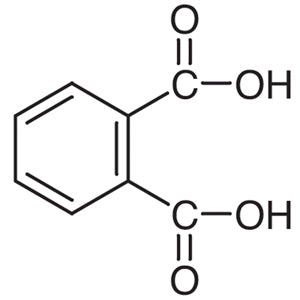
- TCI P0287 88-99-3 Phthalic Acid
- TCI I0155 121-91-5 Isophthalic Acid
- TCI C0856 3724-52-5 1,2,3,4-Cyclopentanetetracarboxylic Acid
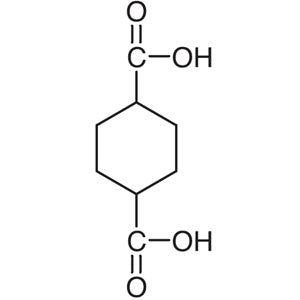
- TCI C0788 1076-97-7 1,4-Cyclohexanedicarboxylic Acid (cis- and trans- mixture)
- TCI B5795 677010-20-7 [1,1'-Biphenyl]-3,4',5-tricarboxylic Acid
- Organic synthesis experiments benefit from this compound due to its versatile functional groups and predictable reactivity.
- Polymer development often incorporates this acid as a building block for creating complex polymeric structures.
- Pharmaceutical research utilizes it for the synthesis of various drug molecules and active pharmaceutical ingredients.
- Analytical chemistry applications use it as a standard reference material for quantitative analysis.
- Industrial chemical production relies on this compound for the manufacture of specialty chemicals and materials.
| Brand | TCI |
|---|---|
| CAS number | 554-95-0 |
| Molecular formula | — |
| Purity | — |
| Category | Chemistry > Building Blocks > Non-Heterocyclic Building Blocks |
| Pack sizes | Available in various quantities as per supplier specifications |
| Physical form | Solid |
| Storage | Store in a cool, dry place away from moisture and direct sunlight |
This compound should be stored in a cool, dry environment to maintain its chemical stability. It is recommended to keep it in a sealed container to prevent exposure to moisture and air. Due to its solid form, it should be stored in airtight containers made of materials such as glass or polyethylene. Laboratory personnel should handle it with care, using appropriate personal protective equipment when necessary. The compound is generally non-hazardous under normal conditions but should be kept away from incompatible substances. Proper storage ensures its effectiveness and safety in laboratory settings.
—
Product Categories
- Organic-Inorganic Hybrid MaterialsMetal Organic Frameworks (MOF) and Their Raw MaterialsOrganic Linker Molecules [Metal Organic Frameworks (MOFs) Precursors]
- Polymer/Macromolecule ReagentsMetal Organic Frameworks (MOF) and Their Raw MaterialsOrganic Linker Molecules [Metal Organic Frameworks (MOFs) Precursors]
- Polymer/Macromolecule ReagentsMonomersDicarboxylic Acid Monomers
- Biomaterials/Biocompatible Materials Research ReagentsMonomers and Macromonomers [Biomaterials/Biocompatible Materials Research Reagents]Dicarboxylic Acid Monomers [Biomaterials/Biocompatible Materials Research Reagents]
Produk Terkait
-
AcetylenedicarboxylicAcid TCI A0088
Regular price From Rp 1.220.100,00Regular priceRp 868.350,00Sale price From Rp 1.220.100,00 -
PhthalicAcid TCI P0287
Regular price From Rp 505.050,00Regular priceRp 352.800,00Sale price From Rp 505.050,00 -
IsophthalicAcid TCI I0155
Regular price From Rp 477.750,00Regular priceRp 333.900,00Sale price From Rp 477.750,00 -
1,2,3,4-CyclopentanetetracarboxylicAcid TCI C0856
Regular price Rp 1.167.600,00Regular priceRp 815.850,00Sale price Rp 1.167.600,00 -
1,4-CyclohexanedicarboxylicAcid(cis-andtrans-mixture) TCI C0788
Regular price Rp 743.400,00Regular priceRp 519.750,00Sale price Rp 743.400,00 -
[1,1'-Biphenyl]-3,4',5-tricarboxylicAcid TCI B5795
Regular price Rp 6.281.100,00Regular priceRp 4.392.150,00Sale price Rp 6.281.100,00 -
trans-AconiticAcid TCI A0127
Regular price From Rp 2.121.000,00Regular priceRp 1.498.350,00Sale price From Rp 2.121.000,00 -
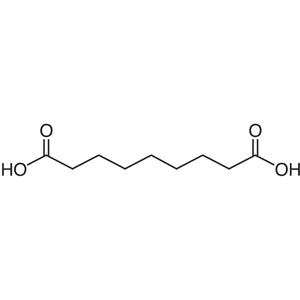
AzelaicAcid TCI A0561
Regular price From Rp 557.550,00Regular priceRp 405.300,00Sale price From Rp 557.550,00