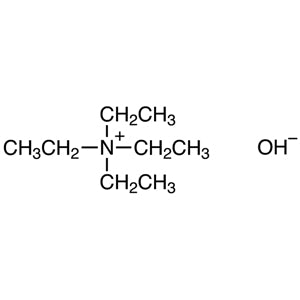
Benzyltriethylammonium Hydroxide (10% in Water), also known as TCI B0445, is a chemical compound widely used as a phase transfer catalyst in various chemical reactions. This reagent plays a crucial role in facilitating reactions between immiscible phases, such as aqueous and organic solvents. Its ability to bridge these two phases makes it an essential tool in synthetic chemistry, enabling more efficient and effective reaction processes. In laboratory settings, it is particularly valuable for reactions requiring interaction between polar and non-polar environments.
The compound is known for its chemical stability and weak basic properties, which contribute to its effectiveness in catalytic applications. It dissolves well in water, making it easy to handle and incorporate into reaction mixtures. Its solubility and chemical inertness under normal conditions ensure reliable performance in a wide range of experimental setups. These properties make it a preferred choice for researchers looking to optimize reaction efficiency and yield.
In Indonesian laboratories, Benzyltriethylammonium Hydroxide is commonly used in chemical research, especially in the fields of organic synthesis and catalytic reactions. It is frequently found in chemistry, pharmaceutical, and chemical industry laboratories that require reagents capable of promoting phase transfer. Its versatility and reliability have made it a standard component in many laboratory protocols across Indonesia.
TCI brochures (PDF)
- Quaternary Ammonium Salts 2025-11-10 · p. 3
Related TCI products
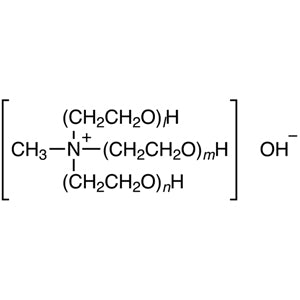
- TCI T3923 N,N,N-Tris(polyoxyethylene)-N-methylammonium Hydroxide (55-65% in Water) (stabilized with MEHQ)
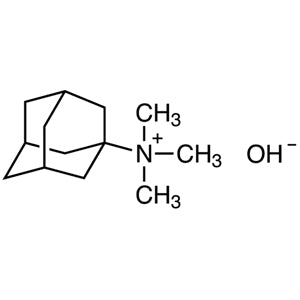
- TCI T3821 53075-09-5 N,N,N-Trimethyl-1-adamantylammonium Hydroxide (25% in Water)
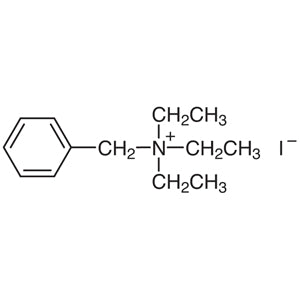
- TCI B0446 5400-94-2 Benzyltriethylammonium Iodide
- TCI B0444 56-37-1 Benzyltriethylammonium Chloride
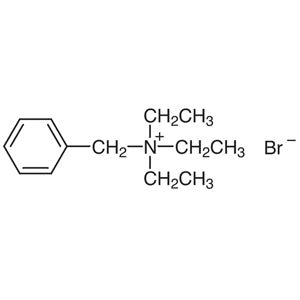
- TCI B0443 5197-95-5 Benzyltriethylammonium Bromide
- TCI T2589 77-98-5 Tetraethylammonium Hydroxide (35% in Water)
- Organic synthesis reactions benefit from this catalyst due to its ability to enhance interfacial interactions between aqueous and organic phases.
- Catalytic reactions in pharmaceutical research utilize this reagent for its stability and effectiveness in promoting phase transfer.
- Analytical chemistry applications often require this compound for its solubility in water and its role in facilitating reaction conditions.
- Industrial chemical processes rely on this material to improve the efficiency of reactions involving multiple phases.
- Environmental studies may use this reagent to model or analyze reactions that occur at the interface of different chemical environments.
| Brand | TCI |
|---|---|
| CAS number | 1836-42-6 |
| Molecular formula | — |
| Purity | — |
| Category | Chemistry > Synthetic Reagents > Phase Transfer Catalysts |
| Pack sizes | 100 mL, 500 mL, 1 L |
| Physical form | Liquid solution in water |
| Storage | Store in a cool, dry place away from direct sunlight |
This reagent should be stored in a cool, dry place, away from direct sunlight and sources of heat. It is recommended to keep it in a tightly sealed container to prevent evaporation and contamination. Due to its aqueous nature, it is best stored in glass or polyethylene containers to avoid chemical interactions with the container material. General laboratory precautions include wearing appropriate personal protective equipment, such as gloves and safety goggles, when handling the material. It is important to ensure proper ventilation in the workspace to minimize exposure to vapors. The material should not be disposed of in drains or landfills without following local regulations for chemical waste.
—
Produk Terkait
-
N,N,N-Tris(polyoxyethylene)-N-methylammoniumHydroxide(55-65%inWater)(stabilizedwithMEHQ) TCI T3923
Regular price Rp 3.207.750,00Regular priceRp 2.258.550,00Sale price Rp 3.207.750,00 -
N,N,N-Trimethyl-1-adamantylammoniumHydroxide(25%inWater) TCI T3821
Regular price From Rp 2.093.700,00Regular priceRp 1.479.450,00Sale price From Rp 2.093.700,00 -
BenzyltriethylammoniumIodide TCI B0446
Regular price From Rp 1.510.950,00Regular priceRp 1.072.050,00Sale price From Rp 1.510.950,00 -
BenzyltriethylammoniumChloride TCI B0444
Regular price From Rp 505.050,00Regular priceRp 368.550,00Sale price From Rp 505.050,00 -
BenzyltriethylammoniumBromide TCI B0443
Regular price From Rp 795.900,00Regular priceRp 572.250,00Sale price From Rp 795.900,00 -
TetraethylammoniumHydroxide(35%inWater) TCI T2589
Regular price From Rp 822.150,00Regular priceRp 590.100,00Sale price From Rp 822.150,00 -
TetrabutylammoniumHydroxide(40%inWater) TCI T1685
Regular price From Rp 1.246.350,00Regular priceRp 887.250,00Sale price From Rp 1.246.350,00 -
TetrapropylammoniumHydroxide(ca.40%inWater) TCI T1565
Regular price From Rp 2.199.750,00Regular priceRp 1.554.000,00Sale price From Rp 2.199.750,00