Bromoacetic acid (79-08-3) is a chemical compound widely used in various synthetic reactions within laboratory settings. As a carboxylic acid bearing a bromo group, it plays a crucial role in organic chemistry by participating in nucleophilic substitution and halogenation reactions. Its reactivity makes it a valuable reagent for the synthesis of complex organic compounds. Due to its versatility, bromoacetic acid is commonly found in both academic and industrial research environments, supporting the development of new chemical structures and processes.
The compound’s high reactivity is complemented by its chemical stability under controlled conditions, making it a preferred choice for synthetic chemists. It is particularly useful in reactions where the introduction of a bromine atom is necessary, such as in the preparation of substituted acetic acids and other functional groups. Its ability to react with strong bases or alkali metals further enhances its utility in a variety of synthetic pathways. These properties make bromoacetic acid an essential reagent in modern chemical laboratories.
In Indonesian laboratories, bromoacetic acid is routinely used in organic chemistry research, especially in pharmaceutical and chemical manufacturing sectors. It is a key component in the development of new compounds and the optimization of existing synthesis methods. Many research institutions and universities in Indonesia rely on this compound for its effectiveness and reliability in experimental processes.
Related TCI products
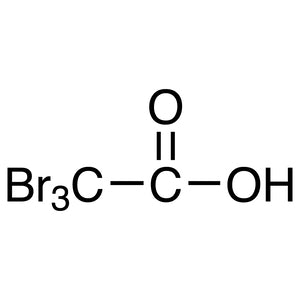
- TCI T0351 75-96-7 Tribromoacetic Acid
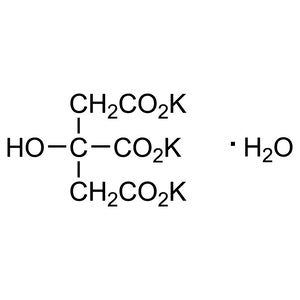
- TCI T4391 6100-05-6 Tripotassium Citrate Monohydrate
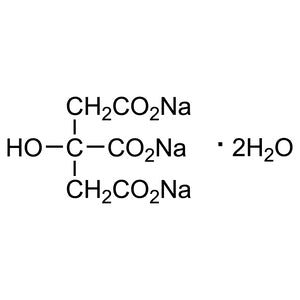
- TCI T4390 6132-04-3 Trisodium Citrate Dihydrate
- TCI T1921 52093-30-8 Yttrium(III) Trifluoromethanesulfonate
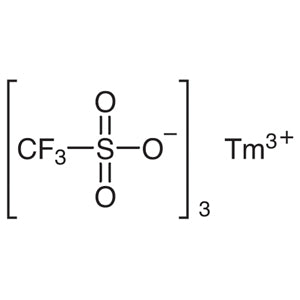
- TCI T1920 141478-68-4 Thulium(III) Trifluoromethanesulfonate
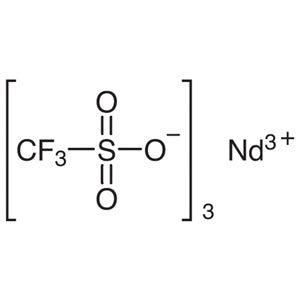
- TCI T1919 34622-08-7 Neodymium(III) Trifluoromethanesulfonate
- Organic synthesis for the preparation of substituted acetic acids and functional groups due to its reactivity and bromo group.
- Nucleophilic substitution reactions where bromoacetic acid acts as a good leaving group for further chemical transformations.
- Halogenation processes to introduce bromine atoms into organic molecules, enhancing the diversity of synthesized compounds.
- Pharmaceutical research for the development of new drugs and chemical intermediates in drug synthesis pathways.
- Chemical manufacturing applications in the production of specialty chemicals and industrial compounds requiring brominated structures.
| Brand | TCI |
|---|---|
| CAS number | 79-08-3 |
| Molecular formula | — |
| Purity | — |
| Category | Chemistry > Synthetic Reagents > Acids, Bases [Synthetic Reagents] |
| Pack sizes | Available in various quantities as per standard reagent packaging |
| Physical form | Liquid |
| Storage | Store in a cool, dry place away from strong bases and reactive materials |
Bromoacetic acid should be stored in a cool, dry environment, away from strong bases and reactive materials to prevent unwanted chemical interactions. It is recommended to use appropriate containers such as glass or polyethylene bottles to minimize the risk of corrosion. Due to its corrosive nature, personal protective equipment like gloves, goggles, and a lab coat should be worn during handling. The compound is irritating to the skin and eyes, so proper ventilation and spill containment measures should be in place. It is essential to follow standard laboratory safety protocols to ensure safe handling and storage practices.
—
Produk Terkait
-
TribromoaceticAcid TCI T0351
Regular price From Rp 848.400,00Regular priceRp 609.000,00Sale price From Rp 848.400,00 -
TripotassiumCitrateMonohydrate TCI T4391
Regular price From Rp 452.550,00Regular priceRp 316.050,00Sale price From Rp 452.550,00 -
TrisodiumCitrateDihydrate TCI T4390
Regular price From Rp 452.550,00Regular priceRp 316.050,00Sale price From Rp 452.550,00 -
Yttrium(III)Trifluoromethanesulfonate TCI T1921
Regular price From Rp 2.650.200,00Regular priceRp 1.869.000,00Sale price From Rp 2.650.200,00 -
Thulium(III)Trifluoromethanesulfonate TCI T1920
Regular price Rp 2.702.700,00Regular priceRp 1.905.750,00Sale price Rp 2.702.700,00 -
Neodymium(III)Trifluoromethanesulfonate TCI T1919
Regular price From Rp 1.351.350,00Regular priceRp 960.750,00Sale price From Rp 1.351.350,00 -
Cerium(III)Trifluoromethanesulfonate TCI T1918
Regular price From Rp 3.155.250,00Regular priceRp 2.206.050,00Sale price From Rp 3.155.250,00 -
Hafnium(IV)Trifluoromethanesulfonate TCI T1708
Regular price From Rp 1.431.150,00Regular priceRp 1.000.650,00Sale price From Rp 1.431.150,00