Tribromoacetic Acid (TCI T0351), with CAS number 75-96-7, is a synthetic reagent widely used in laboratory settings for its versatile chemical properties. This compound is derived from acetic acid, with three bromine atoms replacing hydrogen atoms, making it a valuable reagent in organic synthesis. Its unique structure allows it to participate in various chemical reactions, including nucleophilic substitution and esterification, which are essential in the development of complex organic compounds. Due to its reactivity and compatibility with a range of substrates, it is a key component in both analytical and synthetic research.
One of the main reasons Tribromoacetic Acid is preferred in the laboratory is its solubility in organic solvents such as ethyl acrylate and acetone, which facilitates its use in solution-based reactions. Additionally, its relatively high melting point simplifies processes like precipitation and separation, making it ideal for purification techniques. The stability of this compound under certain conditions ensures that it maintains its chemical integrity during extended use, reducing the risk of degradation and enhancing its reliability in experimental procedures.
In Indonesian laboratories, Tribromoacetic Acid is commonly used in both academic and industrial research settings. It plays a crucial role in the synthesis of organic compounds, analytical chemistry, and pharmaceutical development. Its availability and consistent performance make it a preferred choice for researchers and chemists working on diverse chemical projects. Its application is particularly relevant in the context of local scientific advancements and educational institutions aiming to support chemical research.
Related TCI products
- TCI B0531 79-08-3 Bromoacetic Acid
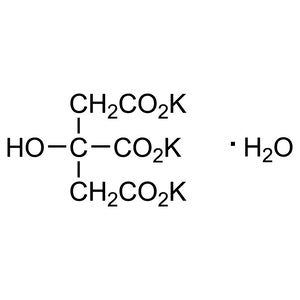
- TCI T4391 6100-05-6 Tripotassium Citrate Monohydrate
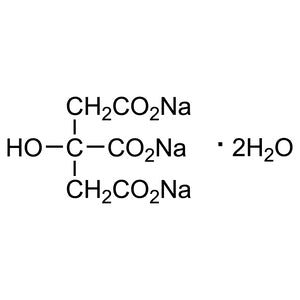
- TCI T4390 6132-04-3 Trisodium Citrate Dihydrate
- TCI T1921 52093-30-8 Yttrium(III) Trifluoromethanesulfonate
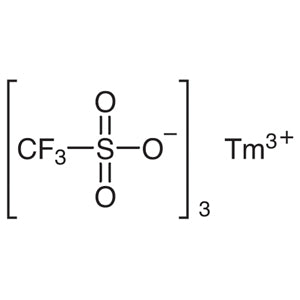
- TCI T1920 141478-68-4 Thulium(III) Trifluoromethanesulfonate
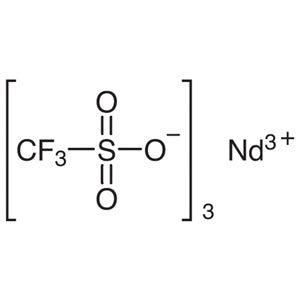
- TCI T1919 34622-08-7 Neodymium(III) Trifluoromethanesulfonate
- Nucleophilic Substitution Reactions: Tribromoacetic Acid is ideal for substitution reactions due to its bromine atoms, which are good leaving groups, facilitating the formation of various organic compounds.
- Esterification Processes: Its carboxylic acid functionality makes it suitable for esterification, allowing the synthesis of ester derivatives in organic synthesis.
- Organic Synthesis of Complex Compounds: The compound is frequently used in the synthesis of complex organic molecules due to its reactivity and versatility in chemical transformations.
- Analytical Chemistry Applications: Tribromoacetic Acid is used in analytical methods due to its ability to react with various substrates, aiding in the detection and quantification of target compounds.
- Pharmaceutical Research and Development: It is employed in the development of pharmaceutical compounds due to its reactivity and ability to participate in multiple synthetic pathways.
| Brand | TCI |
|---|---|
| CAS number | 75-96-7 |
| Molecular formula | — |
| Purity | — |
| Category | Chemistry > Synthetic Reagents > Acids, Bases [Synthetic Reagents] |
| Pack sizes | Available in standard laboratory quantities as specified by the supplier |
| Physical form | Solid, typically in crystalline form |
| Storage | Store in a cool, dry place away from direct sunlight and incompatible materials |
Tribromoacetic Acid should be stored in a cool, dry environment to maintain its chemical stability and prevent degradation. It is recommended to keep it in a sealed container to minimize exposure to moisture and air. Due to its reactivity, it should be stored away from incompatible substances such as strong bases and reducing agents. The container should be made of a material that is resistant to chemical attack, such as glass or high-density polyethylene. In laboratory settings, proper personal protective equipment, including gloves and safety goggles, should be worn when handling this compound to ensure safety. Regular monitoring of storage conditions is essential to maintain the integrity of the material and ensure safe handling practices.
—
Produk Terkait
-
BromoaceticAcid TCI B0531
Regular price From Rp 662.550,00Regular priceRp 478.800,00Sale price From Rp 662.550,00 -
TripotassiumCitrateMonohydrate TCI T4391
Regular price From Rp 452.550,00Regular priceRp 316.050,00Sale price From Rp 452.550,00 -
TrisodiumCitrateDihydrate TCI T4390
Regular price From Rp 452.550,00Regular priceRp 316.050,00Sale price From Rp 452.550,00 -
Yttrium(III)Trifluoromethanesulfonate TCI T1921
Regular price From Rp 2.650.200,00Regular priceRp 1.869.000,00Sale price From Rp 2.650.200,00 -
Thulium(III)Trifluoromethanesulfonate TCI T1920
Regular price Rp 2.702.700,00Regular priceRp 1.905.750,00Sale price Rp 2.702.700,00 -
Neodymium(III)Trifluoromethanesulfonate TCI T1919
Regular price From Rp 1.351.350,00Regular priceRp 960.750,00Sale price From Rp 1.351.350,00 -
Cerium(III)Trifluoromethanesulfonate TCI T1918
Regular price From Rp 3.155.250,00Regular priceRp 2.206.050,00Sale price From Rp 3.155.250,00 -
Hafnium(IV)Trifluoromethanesulfonate TCI T1708
Regular price From Rp 1.431.150,00Regular priceRp 1.000.650,00Sale price From Rp 1.431.150,00