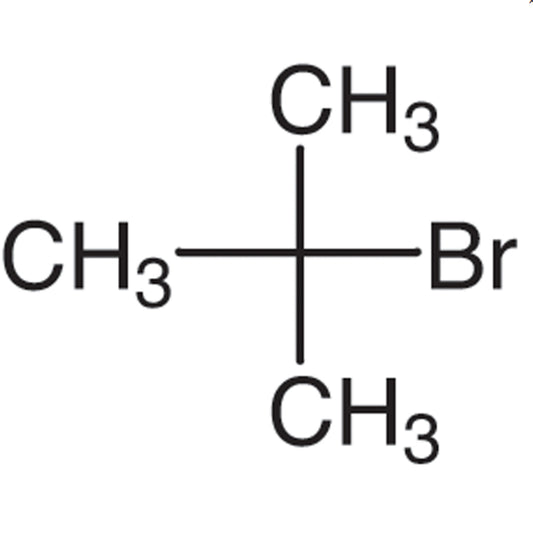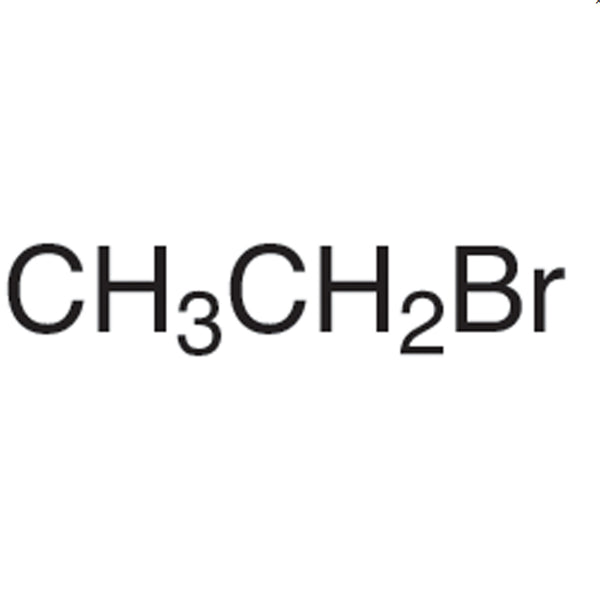
Bromoethane is a chemical compound widely used in various laboratory experiments. As a fundamental building block in organic chemistry, it plays a crucial role in the synthesis of organic compounds. Its reactivity makes it an essential reagent in nucleophilic substitution and elimination reactions. Bromoethane is particularly valuable in the preparation of alkyl halides and other organic substances. Due to its versatile nature, it is a go-to material for researchers and scientists working in chemical synthesis and analysis.
The chemical properties of bromoethane make it a preferred choice for laboratory use. It is a colorless liquid with a distinct odor, which allows for easy identification. Its reactivity under certain conditions, especially when exposed to heat or other chemicals, makes it suitable for a wide range of applications. The compound’s stability in controlled environments ensures consistent performance in experiments. These characteristics contribute to its reliability and effectiveness in chemical research.
In Indonesian laboratories, bromoethane is commonly used in chemical synthesis and analytical research. It is a staple in academic and research institutions, where it supports the development of new compounds and the analysis of chemical structures. Its availability and effectiveness make it a sought-after material for both educational and industrial applications. The compound’s role in advancing chemical knowledge is well recognized in the scientific community.
TCI brochures (PDF)
- Alkylation Reagents for Ester Synthesis 2026-04-06 · p. 3
Related TCI products
- Organic synthesis experiments benefit from bromoethane due to its reactivity in nucleophilic substitution reactions, enabling the formation of complex organic compounds.
- Analytical chemistry laboratories use bromoethane as a standard reagent for testing and identifying various chemical compounds through reaction profiles.
- Teaching laboratories incorporate bromoethane in demonstrations to illustrate the principles of organic chemistry and reaction mechanisms.
- Research institutions rely on bromoethane for the development of new pharmaceuticals and materials through controlled chemical reactions.
- Environmental analysis labs utilize bromoethane as a reference compound to study the behavior of halogenated hydrocarbons in different conditions.
| Brand | TCI |
|---|---|
| CAS number | 74-96-4 |
| Molecular formula | — |
| Purity | — |
| Category | Chemistry > Building Blocks > Non-Heterocyclic Building Blocks |
| Pack sizes | Available in various sizes as per standard laboratory requirements |
| Physical form | Colorless liquid |
| Storage | Store in a cool, well-ventilated area away from heat and direct sunlight |
Bromoethane should be stored in a cool, well-ventilated area, away from heat and direct sunlight to maintain its chemical stability. It is recommended to use airtight containers made of materials that are resistant to chemical reactions, such as glass or stainless steel. Due to its reactivity, it should be kept away from incompatible substances like strong oxidizers or flammable materials. Proper labeling of containers is essential for safety and identification. In laboratory settings, personal protective equipment such as gloves and goggles should be worn when handling bromoethane to prevent exposure. Regular monitoring of storage conditions ensures the compound remains safe and effective for use in experiments.
—
Produk Terkait
-
1,1,2-Tribromoethane TCI T0773
Regular price Rp 4.240.950,00Regular priceRp 2.965.200,00Sale price Rp 4.240.950,00 -
1,1,2,2-Tetrabromoethane TCI T0034
Regular price From Rp 743.400,00Regular priceRp 519.750,00Sale price From Rp 743.400,00 -
1,1-Dibromoethane(stabilizedwithCopperchip) TCI D0184
Regular price Rp 1.961.400,00Regular priceRp 1.371.300,00Sale price Rp 1.961.400,00 -
2-Iodo-2-methylpropane(stabilizedwithCopperchip) TCI B1072
Regular price Rp 2.332.050,00Regular priceRp 1.630.650,00Sale price Rp 2.332.050,00 -
2-Bromopropane TCI B0639
Regular price From Rp 477.750,00Regular priceRp 333.900,00Sale price From Rp 477.750,00 -
1-Bromopropane TCI B0638
Regular price From Rp 505.050,00Regular priceRp 352.800,00Sale price From Rp 505.050,00 -
2-Bromo-2-methylpropane TCI B0617
Regular price From Rp 769.650,00Regular priceRp 537.600,00Sale price From Rp 769.650,00 -
2-Iodopropane(stabilizedwithCopperchip) TCI I0069
Regular price From Rp 769.650,00Regular priceRp 537.600,00Sale price From Rp 769.650,00