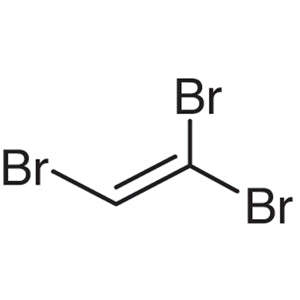
1,1,2-Tribromoethane is a chemical compound widely used in laboratory settings for its versatile reactivity and structural simplicity. As a key building block in organic chemistry, it serves as a valuable reagent or intermediate in various synthetic processes. Its molecular structure, featuring three bromine atoms, contributes to its high reactivity, making it a preferred choice for substitution and elimination reactions. This compound is commonly found in chemical laboratories, where it is used to produce bromoalkanes and other halogenated derivatives. Its stability under controlled conditions ensures reliable performance in experimental setups.
The compound's unique chemical properties, including its relatively high boiling point, make it suitable for distillation and heating applications. Its stability and ease of handling further enhance its appeal for routine laboratory use. The presence of multiple bromine atoms enhances its reactivity, allowing it to participate in a wide range of chemical transformations. These characteristics make 1,1,2-Tribromoethane a reliable and effective reagent for organic synthesis and analytical chemistry.
In Indonesian laboratories, 1,1,2-Tribromoethane is frequently used in organic chemistry research, particularly in the synthesis of bromoalkane compounds. It is also employed in studies related to the reactivity of haloalkanes and their chemical behavior under different reaction conditions. Its availability and consistent performance make it a popular choice for both academic and industrial research applications in the region.
- Organic synthesis applications benefit from 1,1,2-Tribromoethane due to its reactivity and ability to participate in substitution and elimination reactions.
- It is ideal for bromoalkane synthesis as it provides a stable and reactive starting material for the production of halogenated compounds.
- In analytical chemistry, this compound is used for testing and characterizing the reactivity of haloalkane derivatives in various reaction conditions.
- Its high boiling point makes it suitable for distillation and heating processes in laboratory setups.
- It is commonly used in research involving the study of halogenated compounds and their chemical behavior under controlled environments.
| Brand | TCI |
|---|---|
| CAS number | 78-74-0 |
| Molecular formula | — |
| Purity | — |
| Category | Chemistry > Building Blocks > Non-Heterocyclic Building Blocks |
| Pack sizes | Available in standard laboratory quantities |
| Physical form | Liquid |
| Storage | Store in a cool, dry place away from direct sunlight |
1,1,2-Tribromoethane should be stored in a cool, dry environment, away from direct sunlight and sources of heat. It is recommended to use sealed containers made of materials compatible with halogenated compounds, such as glass or high-density polyethylene. Due to its reactivity, it should be handled in well-ventilated areas to prevent inhalation of vapors. Avoid contact with incompatible substances, such as strong oxidizers. Always wear appropriate personal protective equipment, including gloves and safety goggles, when handling this compound. Proper storage and handling ensure the safety of laboratory personnel and maintain the compound's stability for extended use.
—
Produk Terkait
-
Bromoethane TCI B0588
Regular price From Rp 477.750,00Regular priceRp 333.900,00Sale price From Rp 477.750,00 -
1,1-Dibromoethane(stabilizedwithCopperchip) TCI D0184
Regular price Rp 1.961.400,00Regular priceRp 1.371.300,00Sale price Rp 1.961.400,00 -
Tribromoethylene TCI T0794
Regular price From Rp 1.724.100,00Regular priceRp 1.205.400,00Sale price From Rp 1.724.100,00 -
1,1,2,2-Tetrabromoethane TCI T0034
Regular price From Rp 743.400,00Regular priceRp 519.750,00Sale price From Rp 743.400,00 -
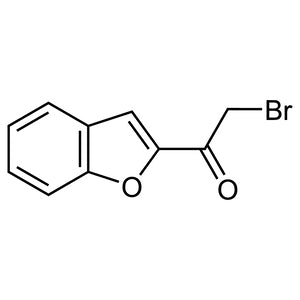
1-(Benzofuran-2-yl)-2-bromoethan-1-one TCI B6800
Regular price Rp 2.411.850,00Regular priceRp 1.702.050,00Sale price Rp 2.411.850,00 -
2,2,2-Tribromoethanol TCI T1420
Regular price From Rp 1.988.700,00Regular priceRp 1.390.200,00Sale price From Rp 1.988.700,00 -
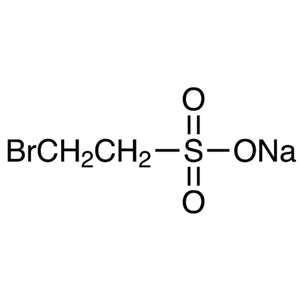
Sodium2-Bromoethanesulfonate TCI B0589
Regular price From Rp 1.829.100,00Regular priceRp 1.278.900,00Sale price From Rp 1.829.100,00 -
2-Bromoethanol TCI B0590
Regular price From Rp 875.700,00Regular priceRp 612.150,00Sale price From Rp 875.700,00