Tribromoethylene (TCI T0794), with CAS number 598-16-3, is a chemical compound widely used as a foundational building block in organic synthesis. It serves as a versatile reagent in various chemical reactions, particularly in the development of more complex brominated organic compounds. Its role in laboratory settings is crucial for researchers aiming to create new molecular structures with specific functional groups. This compound is often employed in synthetic pathways where controlled bromination is required, making it an essential tool for both academic and industrial chemists.
One of the key reasons Tribromoethylene is preferred is its non-polar nature and solubility in organic solvents such as chloroform and ethyl acetate. These properties make it ideal for reactions that require a non-polar environment. Additionally, its high reactivity under specific conditions allows for efficient synthetic transformations. The compound's stability in controlled environments further enhances its reliability as a reagent in laboratory applications. These characteristics collectively make Tribromoethylene a go-to material for a wide range of chemical processes.
In Indonesian laboratories, Tribromoethylene is commonly used in organic chemistry research, particularly in universities and research institutions. Its application supports the development of new chemical methodologies and the advancement of scientific knowledge. The compound's availability and compatibility with standard laboratory practices make it a practical choice for local researchers. Its role in both educational and applied research contexts underscores its importance in the Indonesian scientific community.
Related TCI products
- Organic Synthesis: Tribromoethylene is widely used in the synthesis of brominated organic compounds due to its reactivity and solubility in organic solvents.
- Bromination Reactions: It serves as a brominating agent in reactions where controlled substitution of hydrogen atoms with bromine is required.
- Research and Development: The compound is frequently utilized in R&D settings to explore new synthetic pathways and chemical transformations.
- Educational Purposes: Tribromoethylene is a valuable teaching tool in chemistry courses, helping students understand reactivity and molecular structure.
- Analytical Chemistry: It is used in analytical procedures to test the reactivity and stability of various chemical compounds under different conditions.
| Brand | TCI |
|---|---|
| CAS number | 598-16-3 |
| Molecular formula | — |
| Purity | — |
| Category | Chemistry > Building Blocks > Non-Heterocyclic Building Blocks |
| Pack sizes | Available in various quantities as per standard laboratory requirements |
| Physical form | Liquid |
| Storage | Store in a cool, dark place away from heat and direct sunlight |
Tribromoethylene should be stored in a cool, dark place to maintain its stability and prevent degradation. It is recommended to use airtight containers made of glass or polyethylene to minimize exposure to air and moisture. The compound is flammable and should be kept away from open flames and potential ignition sources. In laboratory settings, it is important to handle Tribromoethylene with appropriate personal protective equipment, such as gloves and safety goggles, to ensure safety. Proper ventilation is also essential when working with this compound to avoid inhalation of vapors. Due to its reactivity, it should be stored separately from incompatible materials to prevent accidental chemical reactions.
—
Produk Terkait
-
1,2-Dibromoethylene(cis-andtrans-mixture) TCI D0186
Regular price Rp 2.889.600,00Regular priceRp 2.020.200,00Sale price Rp 2.889.600,00 -
1,1,2-Tribromoethane TCI T0773
Regular price Rp 4.240.950,00Regular priceRp 2.965.200,00Sale price Rp 4.240.950,00 -
2-BromoethylAcetate TCI A0023
Regular price From Rp 1.431.150,00Regular priceRp 1.000.650,00Sale price From Rp 1.431.150,00 -
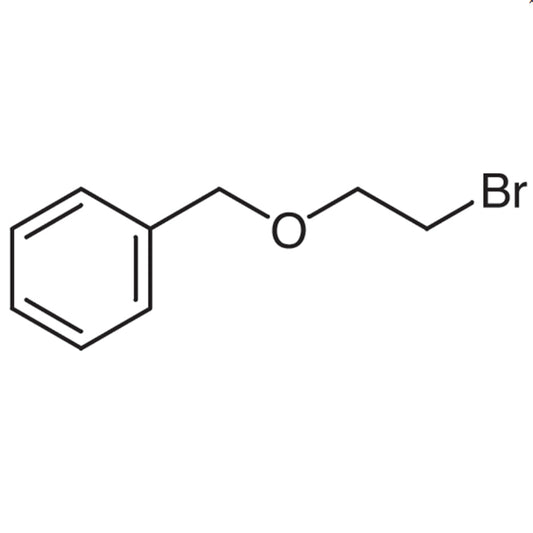
Benzyl2-BromoethylEther TCI B2817
Regular price From Rp 2.174.550,00Regular priceRp 1.520.400,00Sale price From Rp 2.174.550,00 -
4-(2-Bromoethyl)benzoicAcid TCI B1944
Regular price From Rp 5.777.100,00Regular priceRp 4.055.100,00Sale price From Rp 5.777.100,00 -
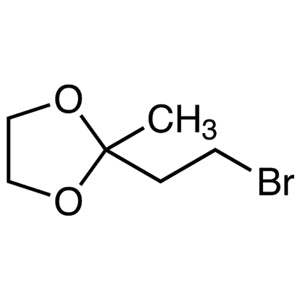
2-(2-Bromoethyl)-2-methyl-1,3-dioxolane TCI B1598
Regular price From Rp 5.460.000,00Regular priceRp 3.833.550,00Sale price From Rp 5.460.000,00 -
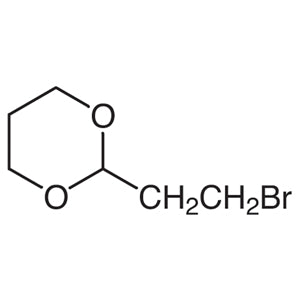
2-(2-Bromoethyl)-1,3-dioxane TCI B1182
Regular price From Rp 1.298.850,00Regular priceRp 924.000,00Sale price From Rp 1.298.850,00 -
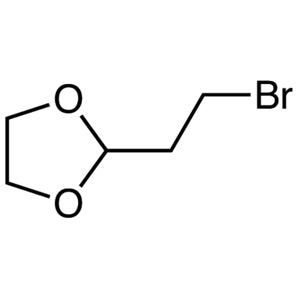
2-(2-Bromoethyl)-1,3-dioxolane TCI B1132
Regular price From Rp 2.093.700,00Regular priceRp 1.479.450,00Sale price From Rp 2.093.700,00