2-(2-Bromoethyl)-1,3-dioxolane is a chemical compound widely used in synthetic chemistry applications. It serves as a key building block in the creation of complex organic molecules and heterocyclic structures. Its unique molecular structure, featuring a bromoethyl group and a dioxolane ring, makes it a versatile reagent in various chemical reactions. In laboratory settings, this compound is essential for researchers working on the synthesis of pharmaceuticals, industrial chemicals, and other specialized compounds. Its ability to participate in substitution and electrophilic reactions enhances its utility in diverse chemical processes.
The compound’s chemical properties, including its reactivity and stability under controlled conditions, make it a preferred choice for synthetic chemists. The presence of the bromo group increases its reactivity, enabling efficient chemical transformations. Its stability in certain environments ensures that it remains effective during synthesis steps without unnecessary degradation. These characteristics make it an ideal reagent for applications requiring precision and control in chemical reactions. Its compatibility with various reaction conditions further broadens its applicability in both academic and industrial research.
In Indonesian laboratories, 2-(2-Bromoethyl)-1,3-dioxolane is commonly used in organic chemistry, pharmaceutical, and industrial chemistry research. It is a staple in academic institutions and research organizations, where it supports the development of new compounds and materials. Its role in creating complex molecular structures makes it an essential component in the chemical synthesis processes conducted by Indonesian scientists and researchers.
Related TCI products
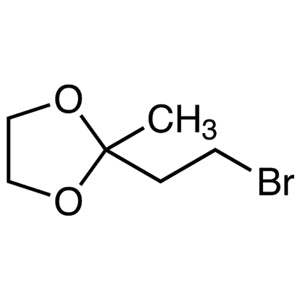
- TCI B1598 37865-96-6 2-(2-Bromoethyl)-2-methyl-1,3-dioxolane
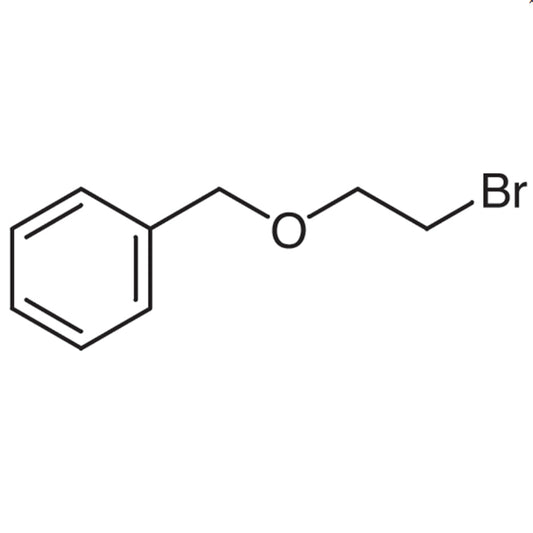
- TCI B2817 1462-37-9 Benzyl 2-Bromoethyl Ether
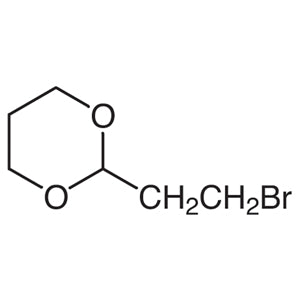
- TCI B1182 33884-43-4 2-(2-Bromoethyl)-1,3-dioxane
- TCI T2575 1193-11-9 2,2,4-Trimethyl-1,3-dioxolane
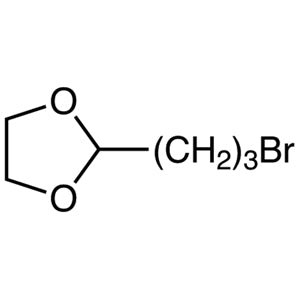
- TCI B3463 62563-07-9 2-(3-Bromopropyl)-1,3-dioxolane
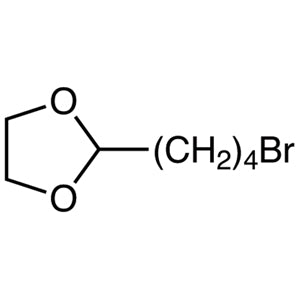
- TCI B2128 87227-41-6 2-(4-Bromobutyl)-1,3-dioxolane
- Organic synthesis applications benefit from this compound’s reactivity and versatility in forming complex molecular structures.
- Pharmaceutical research utilizes it as a building block for synthesizing drug molecules and other bioactive compounds.
- Industrial chemical production relies on its ability to participate in substitution and electrophilic reactions for compound development.
- Academic research in chemistry uses it to explore new synthetic pathways and reaction mechanisms.
- Material science studies incorporate it for the creation of specialized polymers and functional materials.
| Brand | TCI |
|---|---|
| CAS number | 18742-02-4 |
| Molecular formula | — |
| Purity | — |
| Category | Chemistry > Building Blocks > Non-Heterocyclic Building Blocks |
| Pack sizes | Available in various quantities as per supplier specifications |
| Physical form | Liquid |
| Storage | Store in a cool, dry place away from light and incompatible materials |
This compound should be stored in a cool, dry environment, away from direct sunlight and sources of heat. It is recommended to use airtight containers made of materials compatible with its chemical nature, such as glass or high-density polyethylene. Due to its reactivity, it should be kept away from incompatible substances like strong oxidizers or acids. Proper ventilation is essential when handling the compound to minimize inhalation exposure. Laboratory personnel should wear appropriate personal protective equipment, including gloves, goggles, and a lab coat, to ensure safe handling. Regular monitoring of storage conditions is advised to maintain the compound’s stability and effectiveness in chemical applications.
—
Produk Terkait
-
2-(2-Bromoethyl)-2-methyl-1,3-dioxolane TCI B1598
Regular price From Rp 5.460.000,00Regular priceRp 3.833.550,00Sale price From Rp 5.460.000,00 -
Benzyl2-BromoethylEther TCI B2817
Regular price From Rp 2.174.550,00Regular priceRp 1.520.400,00Sale price From Rp 2.174.550,00 -
2-(2-Bromoethyl)-1,3-dioxane TCI B1182
Regular price From Rp 1.298.850,00Regular priceRp 924.000,00Sale price From Rp 1.298.850,00 -
2,2,4-Trimethyl-1,3-dioxolane TCI T2575
Regular price Rp 1.856.400,00Regular priceRp 1.313.550,00Sale price Rp 1.856.400,00 -
2-(3-Bromopropyl)-1,3-dioxolane TCI B3463
Regular price From Rp 1.908.900,00Regular priceRp 1.350.300,00Sale price From Rp 1.908.900,00 -
2-(4-Bromobutyl)-1,3-dioxolane TCI B2128
Regular price From Rp 4.425.750,00Regular priceRp 3.110.100,00Sale price From Rp 4.425.750,00 -
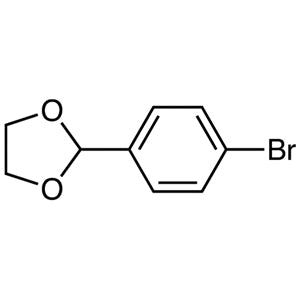
2-(4-Bromophenyl)-1,3-dioxolane TCI B2100
Regular price From Rp 5.460.000,00Regular priceRp 3.833.550,00Sale price From Rp 5.460.000,00 -
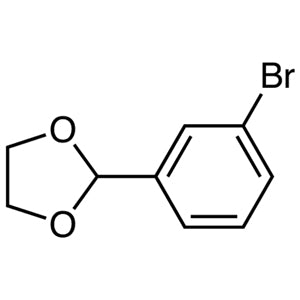
2-(3-Bromophenyl)-1,3-dioxolane TCI B2098
Regular price From Rp 1.087.800,00Regular priceRp 775.950,00Sale price From Rp 1.087.800,00