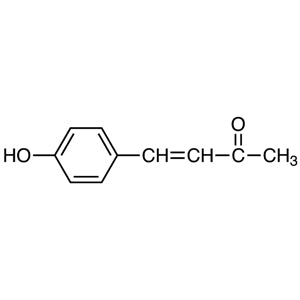
1-Buten-3-ol is an organic compound widely used in chemical reactions for the synthesis of complex molecules. As a key building block in organic chemistry, it plays a crucial role in laboratory settings by enabling the creation of aromatic and aliphatic compounds. Its versatility stems from its ability to participate in various functional group reactions, making it a valuable resource for chemists. This compound is commonly utilized in both academic and industrial research environments due to its stability and reactivity.
The chemical properties of 1-Buten-3-ol, including its molecular structure and functional groups, allow it to undergo addition and substitution reactions. These characteristics make it a preferred choice for synthetic chemists looking to develop new compounds. Its resistance to degradation under normal laboratory conditions further enhances its reliability and safety. The compound’s predictable behavior in different reaction conditions ensures consistent results, contributing to its popularity in chemical synthesis.
In Indonesian laboratories, 1-Buten-3-ol is extensively used in research and development activities. It is a fundamental reagent in the production of specific chemical compounds, particularly in the pharmaceutical and materials industries. Its availability and high quality make it a primary choice for various chemical studies in Indonesia. The compound’s role in supporting scientific innovation is vital for both academic and industrial applications.
- Synthesis of aromatic compounds: 1-Buten-3-ol is ideal for creating aromatic structures due to its reactive functional groups and compatibility with various synthetic pathways.
- Organic material development: This compound is frequently used in the creation of new materials because of its ability to form stable chemical bonds and participate in polymerization reactions.
- Pharmaceutical research: 1-Buten-3-ol is a key reagent in drug development, enabling the synthesis of complex molecules with specific biological activities.
- Industrial chemical production: Its use in manufacturing processes ensures the production of high-quality chemical products with consistent properties.
- Educational laboratory experiments: It is commonly used in teaching environments to demonstrate fundamental chemical reactions and synthetic techniques.
| Brand | TCI |
|---|---|
| CAS number | 598-32-3 |
| Molecular formula | — |
| Purity | — |
| Category | Chemistry > Building Blocks > Non-Heterocyclic Building Blocks |
| Pack sizes | Available in various quantities as per standard laboratory requirements |
| Physical form | Liquid |
| Storage | Store in a cool, dry place away from direct sunlight |
1-Buten-3-ol should be stored in a cool, dry location, away from direct sunlight and sources of heat. It is recommended to use sealed containers made of glass or high-density polyethylene to prevent contamination and evaporation. The compound should be kept in a well-ventilated area to minimize exposure to vapors. Avoid storing it near incompatible substances such as strong oxidizers or acids. Always ensure proper labeling of containers to prevent accidental use. Regular monitoring of storage conditions is essential to maintain the integrity and safety of the compound in the laboratory environment.
—
Produk Terkait
-
3-Buten-1-ol TCI B0236
Regular price From Rp 1.431.150,00Regular priceRp 1.000.650,00Sale price From Rp 1.431.150,00 -
1-Phenyl-3-buten-1-ol TCI P1329
Regular price Rp 2.995.650,00Regular priceRp 2.094.750,00Sale price Rp 2.995.650,00 -
3-Methyl-3-buten-1-ol TCI M0726
Regular price From Rp 505.050,00Regular priceRp 352.800,00Sale price From Rp 505.050,00 -
3-Methyl-2-buten-1-ol TCI M0714
Regular price From Rp 610.050,00Regular priceRp 426.300,00Sale price From Rp 610.050,00 -
2-Methyl-3-buten-2-ol TCI M0178
Regular price From Rp 1.115.100,00Regular priceRp 779.100,00Sale price From Rp 1.115.100,00 -
4-(4-Hydroxyphenyl)-3-buten-2-one TCI H1564
Regular price Rp 1.988.700,00Regular priceRp 1.405.950,00Sale price Rp 1.988.700,00 -
1-Cyclohexyl-2-buten-1-ol(cis-andtrans-mixture) TCI C1567
Regular price Rp 1.405.950,00Regular priceRp 998.550,00Sale price Rp 1.405.950,00 -
3-Bromo-3-buten-1-ol TCI B6666
Regular price From Rp 1.273.650,00Regular priceRp 890.400,00Sale price From Rp 1.273.650,00