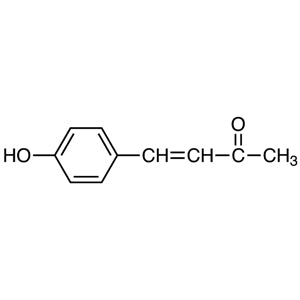
3-Buten-1-ol is an organic compound widely used in chemical synthesis as a foundational building block for the creation of more complex molecules. Its simple molecular structure plays a crucial role in various chemical reactions, particularly in addition and substitution processes. As a key component in organic chemistry research, it enables scientists to construct and modify molecular frameworks with precision. In laboratory settings, 3-Buten-1-ol is essential for the development of pharmaceuticals, industrial chemicals, and aromatic compounds. Its chemical stability allows it to participate in a range of reactions, including hydration, oxidation, and interactions with alkali metals.
This compound is favored for its high purity and consistent quality, making it a reliable choice for scientific experiments. It exhibits good solubility in organic solvents such as ethanol and ethers, which enhances its versatility in different reaction conditions. Its reactivity allows researchers to control chemical processes with accuracy, contributing to the reproducibility of experimental results. Additionally, its compatibility with various reagents and its ease of handling make it a preferred material in both academic and industrial laboratory environments.
In Indonesian laboratories, 3-Buten-1-ol is commonly used in chemical research and development. It supports the synthesis of pharmaceutical compounds, specialty chemicals, and materials science applications. Its availability and reliability make it a staple in laboratories focused on organic chemistry and chemical innovation. Its role in creating complex molecules underscores its importance in advancing scientific research in Indonesia.
TCI brochures (PDF)
- Lipids 2025-12-17 · p. 15
- Organic synthesis is a primary application where 3-Buten-1-ol serves as a versatile building block for constructing complex molecular structures.
- Pharmaceutical research benefits from its use in the development of drug compounds, as it can be modified through various chemical reactions.
- Industrial chemical production relies on 3-Buten-1-ol for the synthesis of specialty chemicals and intermediates used in manufacturing.
- Materials science applications utilize this compound to create polymers and other functional materials with specific properties.
- Aromatic compound synthesis benefits from its reactivity, enabling the formation of aromatic rings and related derivatives in chemical reactions.
| Brand | TCI |
|---|---|
| CAS number | 627-27-0 |
| Molecular formula | — |
| Purity | — |
| Category | Chemistry > Building Blocks > Non-Heterocyclic Building Blocks |
| Pack sizes | Available in various quantities to meet laboratory needs |
| Physical form | Liquid |
| Storage | Store in a cool, dry place away from light and incompatible materials |
3-Buten-1-ol should be stored in a cool, dry place away from direct sunlight and sources of heat. It is recommended to keep it in a tightly sealed container to prevent evaporation and contamination. The compound is flammable, so it should be stored away from ignition sources and incompatible materials such as strong oxidizers. In laboratory settings, it is important to use appropriate personal protective equipment, including gloves and safety goggles, when handling this substance. Proper ventilation should be maintained to minimize exposure to vapors. Regular inspection of storage containers is necessary to ensure they remain intact and secure.
—
Produk Terkait
-
1-Buten-3-ol TCI B0695
Regular price From Rp 1.538.250,00Regular priceRp 1.075.200,00Sale price From Rp 1.538.250,00 -
1-Phenyl-3-buten-1-ol TCI P1329
Regular price Rp 2.995.650,00Regular priceRp 2.094.750,00Sale price Rp 2.995.650,00 -
3-Methyl-3-buten-1-ol TCI M0726
Regular price From Rp 505.050,00Regular priceRp 352.800,00Sale price From Rp 505.050,00 -
3-Methyl-2-buten-1-ol TCI M0714
Regular price From Rp 610.050,00Regular priceRp 426.300,00Sale price From Rp 610.050,00 -
2-Methyl-3-buten-2-ol TCI M0178
Regular price From Rp 1.115.100,00Regular priceRp 779.100,00Sale price From Rp 1.115.100,00 -
4-(4-Hydroxyphenyl)-3-buten-2-one TCI H1564
Regular price Rp 1.988.700,00Regular priceRp 1.405.950,00Sale price Rp 1.988.700,00 -
1-Cyclohexyl-2-buten-1-ol(cis-andtrans-mixture) TCI C1567
Regular price Rp 1.405.950,00Regular priceRp 998.550,00Sale price Rp 1.405.950,00 -
3-Bromo-3-buten-1-ol TCI B6666
Regular price From Rp 1.273.650,00Regular priceRp 890.400,00Sale price From Rp 1.273.650,00