Diethylene Glycol Monobutyl Ether (DEGBE), with CAS number 112-34-5, is a versatile chemical compound widely used in laboratory settings as a solvent for various chemical reactions and industrial processes. This compound is commonly found in laboratories for applications such as organic synthesis, chemical formulation, and as an auxiliary material in chemical analysis. Its ability to dissolve both polar and non-polar substances makes it a flexible and valuable tool in a wide range of experimental scenarios. DEGBE is particularly useful in situations where a stable and effective solvent is required for complex chemical reactions or product development.
One of the key properties that make DEGBE a preferred choice is its non-flammable nature and relatively high boiling point, which ensures stability under thermal conditions. This characteristic makes it suitable for use in environments where heat resistance is important. Additionally, DEGBE exhibits excellent solubility in a variety of organic compounds, enhancing its effectiveness as a solvent. Its non-toxic and easy-to-handle properties further contribute to its popularity in laboratory applications, ensuring safety and ease of use in both research and industrial settings.
In Indonesian laboratories, DEGBE is extensively used across multiple disciplines, including organic chemistry, pharmacy, and cosmetic industries. It plays a crucial role in the formulation of chemical products and is frequently employed in processes that require a reliable and efficient solvent. Its widespread use reflects its importance in supporting both academic research and industrial development within the chemical sector.
Related TCI products
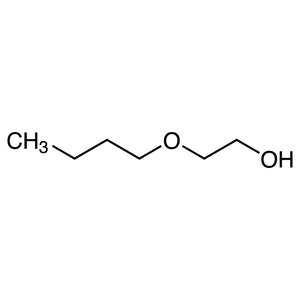
- TCI B0698 111-76-2 Ethylene Glycol Monobutyl Ether
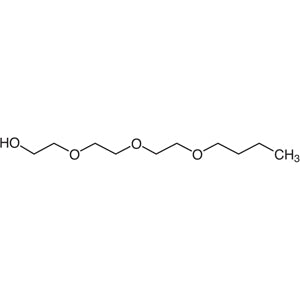
- TCI T0915 143-22-6 Triethylene Glycol Monobutyl Ether
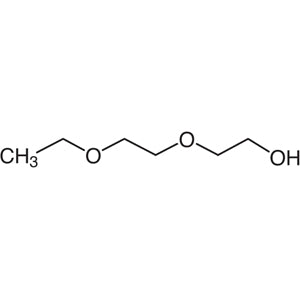
- TCI E0048 111-90-0 Diethylene Glycol Monoethyl Ether
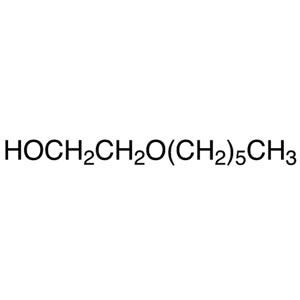
- TCI H0343 112-25-4 Ethylene Glycol Monohexyl Ether
- TCI E0514 2807-30-9 Ethylene Glycol Monopropyl Ether
- TCI E0354 7580-85-0 Ethylene Glycol Mono-tert-butyl Ether
- Organic synthesis where DEGBE serves as a solvent for dissolving reactants and intermediates in complex reactions.
- Chemical formulation processes that require a versatile solvent capable of dissolving both polar and non-polar substances.
- Analytical chemistry applications where DEGBE is used to extract and dissolve compounds for further analysis.
- Pharmaceutical research involving the development of new drugs and formulations that require stable and effective solvents.
- Cosmetic industry applications where DEGBE is used in the creation of various personal care and beauty products.
| Brand | TCI |
|---|---|
| CAS number | 112-34-5 |
| Molecular formula | — |
| Purity | — |
| Category | Chemistry > Building Blocks > Non-Heterocyclic Building Blocks |
| Pack sizes | Available in various sizes as per supplier specifications |
| Physical form | Liquid |
| Storage | Store in a cool, dry place away from direct sunlight and incompatible materials |
DEGBE should be stored in a cool, dry location away from direct sunlight and incompatible materials to maintain its stability and effectiveness. It is recommended to use appropriate containers that are resistant to chemical corrosion, such as glass or high-density polyethylene. General laboratory precautions include ensuring proper ventilation when handling the compound and avoiding contact with skin or eyes. Due to its non-toxic nature, it is considered safe for use in laboratory environments, but standard safety protocols should still be followed to ensure safe handling and storage.
—
Produk Terkait
-
EthyleneGlycolMonobutylEther TCI B0698
Regular price From Rp 477.750,00Regular priceRp 333.900,00Sale price From Rp 477.750,00 -
TriethyleneGlycolMonobutylEther TCI T0915
Regular price From Rp 557.550,00Regular priceRp 405.300,00Sale price From Rp 557.550,00 -
DiethyleneGlycolMonoethylEther TCI E0048
Regular price From Rp 477.750,00Regular priceRp 333.900,00Sale price From Rp 477.750,00 -
EthyleneGlycolMonohexylEther TCI H0343
Regular price From Rp 505.050,00Regular priceRp 352.800,00Sale price From Rp 505.050,00 -
EthyleneGlycolMonopropylEther TCI E0514
Regular price From Rp 557.550,00Regular priceRp 389.550,00Sale price From Rp 557.550,00 -
EthyleneGlycolMono-tert-butylEther TCI E0354
Regular price From Rp 875.700,00Regular priceRp 612.150,00Sale price From Rp 875.700,00 -
EthyleneGlycolMonoisobutylEther TCI E0301
Regular price From Rp 505.050,00Regular priceRp 352.800,00Sale price From Rp 505.050,00 -
EthyleneGlycolMonoisopropylEther TCI E0110
Regular price From Rp 505.050,00Regular priceRp 352.800,00Sale price From Rp 505.050,00