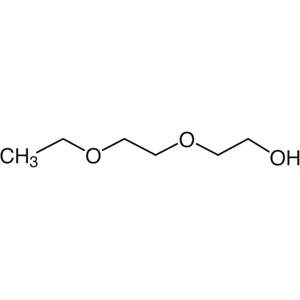
Ethylene Glycol Monoisobutyl Ether (EGMIB) is a chemical compound widely used in laboratory settings for its versatility and reactivity. As a building block in organic chemistry, it plays a crucial role in the synthesis of complex molecules. Its molecular structure allows it to participate in various chemical reactions, making it an essential reagent for chemists. In both academic and industrial research, EGMIB is valued for its ability to act as a solvent or a reactive component in substitution and coupling reactions.
One of the key reasons for its popularity is its polar nature and moderate volatility. These properties make it suitable for use in a wide range of reaction conditions, including mixed solvents and temperature-sensitive processes. Additionally, EGMIB is non-corrosive and relatively stable under normal conditions, which enhances its safety and ease of handling. These characteristics contribute to its widespread use in laboratory environments.
In Indonesian laboratories, EGMIB is commonly used in chemical research and pharmaceutical development. Its availability and effectiveness in complex reactions make it a preferred choice for researchers. The material aligns with the emphasis on safe and efficient chemical practices in Indonesian scientific institutions, supporting both educational and industrial applications.
Related TCI products
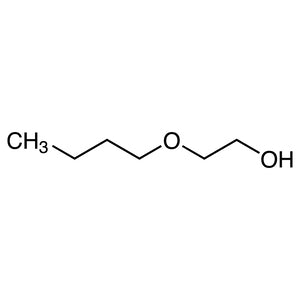
- TCI B0698 111-76-2 Ethylene Glycol Monobutyl Ether
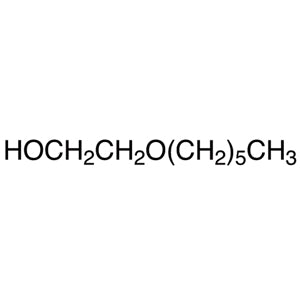
- TCI H0343 112-25-4 Ethylene Glycol Monohexyl Ether
- TCI E0514 2807-30-9 Ethylene Glycol Monopropyl Ether
- TCI E0354 7580-85-0 Ethylene Glycol Mono-tert-butyl Ether
- TCI E0110 109-59-1 Ethylene Glycol Monoisopropyl Ether
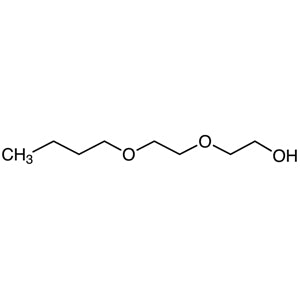
- TCI B0699 112-34-5 Diethylene Glycol Monobutyl Ether
- Organic synthesis: EGMIB is used in the preparation of complex organic compounds due to its reactivity and solubility properties.
- Solvent applications: Its moderate volatility and polarity make it suitable for use as a solvent in various chemical reactions.
- Coupling reactions: EGMIB facilitates coupling reactions by acting as a reactive intermediate or by stabilizing reaction intermediates.
- Pharmaceutical research: It is employed in the development of pharmaceutical compounds due to its compatibility with a wide range of chemical functionalities.
- Analytical chemistry: EGMIB is used in sample preparation and as a component in chromatographic techniques due to its solubility and stability.
| Brand | TCI |
|---|---|
| CAS number | 4439-24-1 |
| Molecular formula | — |
| Purity | — |
| Category | Chemistry > Building Blocks > Non-Heterocyclic Building Blocks |
| Pack sizes | Available in various quantities as per standard laboratory supply requirements |
| Physical form | Liquid |
| Storage | Store in a cool, dry place away from direct sunlight and incompatible materials |
EGMIB should be stored in a cool, dry environment, away from direct sunlight and sources of heat. It is recommended to use sealed, non-reactive containers such as glass or high-density polyethylene to prevent contamination and evaporation. Due to its moderate volatility, proper ventilation is essential when handling the compound. Avoid contact with incompatible substances like strong oxidizers or acids. Always wear appropriate personal protective equipment, including gloves and safety goggles, to ensure safe handling. Regular monitoring of storage conditions is advised to maintain the integrity and safety of the material in the laboratory.
—
Produk Terkait
-
EthyleneGlycolMonobutylEther TCI B0698
Regular price From Rp 477.750,00Regular price -
EthyleneGlycolMonohexylEther TCI H0343
Regular price From Rp 505.050,00Regular price -
EthyleneGlycolMonopropylEther TCI E0514
Regular price From Rp 557.550,00Regular price -
EthyleneGlycolMono-tert-butylEther TCI E0354
Regular price From Rp 875.700,00Regular price -
EthyleneGlycolMonoisopropylEther TCI E0110
Regular price From Rp 505.050,00Regular price -
DiethyleneGlycolMonobutylEther TCI B0699
Regular price From Rp 477.750,00Regular price -
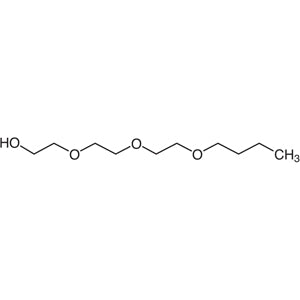
TriethyleneGlycolMonobutylEther TCI T0915
Regular price From Rp 505.050,00Regular price -
DiethyleneGlycolMonoethylEther TCI E0048
Regular price From Rp 477.750,00Regular price