Isobutyl Butyrate is a chemical compound widely used in laboratory settings, particularly in the synthesis of organic compounds. As a key building block in chemical reactions, it plays a vital role in esterification and substitution processes. Its molecular structure is simple yet essential for the formation of more complex carbon chain compounds. This compound is commonly found in research laboratories where organic synthesis and chemical experimentation are conducted. Its versatility makes it an important reagent for chemists working on a variety of projects.
Isobutyl Butyrate is valued for its chemical stability and low reactivity with other substances, which simplifies its handling and long-term storage. These properties make it a preferred choice for laboratories that require reliable and consistent reagents. Additionally, its distinct aroma can serve as a visual indicator during certain chemical reactions. The compound is non-toxic under normal conditions, contributing to its safety profile and making it suitable for use in educational and research environments. Its inert nature also reduces the risk of unwanted side reactions, enhancing the efficiency of chemical processes.
In Indonesian laboratories, Isobutyl Butyrate is extensively used in chemical research, especially in the fields of pharmacy and material science. It is commonly found in university laboratories, research institutions, and chemical industries that rely on organic synthesis. Its availability and reliability make it a staple in laboratories that require high-quality reagents for their experiments. Its role in supporting scientific research is significant, particularly in the development of new compounds and materials.
TCI brochures (PDF)
- Lipids 2025-12-17 · p. 12
- Organic synthesis is a primary application where Isobutyl Butyrate is used for esterification reactions due to its stability and reactivity.
- Pharmaceutical research benefits from its use in the development of new drug compounds, as it supports the creation of complex organic structures.
- Material science applications include the synthesis of polymers and coatings, where its chemical properties contribute to the desired characteristics of the final product.
- Educational laboratories use Isobutyl Butyrate for teaching purposes, demonstrating key chemical reactions and properties in an accessible way.
- Industrial chemical production relies on this compound for the synthesis of various organic intermediates, supporting large-scale manufacturing processes.
| Brand | TCI |
|---|---|
| CAS number | 539-90-2 |
| Molecular formula | — |
| Purity | — |
| Category | Chemistry > Building Blocks > Non-Heterocyclic Building Blocks |
| Pack sizes | Available in various quantities as per standard laboratory requirements |
| Physical form | Liquid |
| Storage | Store in a cool, dry place away from direct sunlight |
Isobutyl Butyrate should be stored in a cool, dry environment, away from direct sunlight and sources of heat. It is recommended to use sealed containers made of glass or high-density polyethylene to prevent evaporation and contamination. Due to its chemical stability, it does not require special refrigeration, but long-term storage should be in a well-ventilated area. General laboratory precautions include ensuring proper ventilation when handling the compound and avoiding contact with skin or eyes. It is advisable to use personal protective equipment such as gloves and safety goggles when working with this material to ensure safe laboratory practices.
—
Produk Terkait
-
IsobutylAcetate TCI A0034
Regular price From Rp 477.750,00Regular priceRp 333.900,00Sale price From Rp 477.750,00 -
IsobutylTiglate(stabilizedwithHQ) TCI T1274
Regular price Rp 2.544.150,00Regular priceRp 1.794.450,00Sale price Rp 2.544.150,00 -
sec-ButylButyrate TCI B3559
Regular price From Rp 2.094.750,00Regular priceRp 1.464.750,00Sale price From Rp 2.094.750,00 -
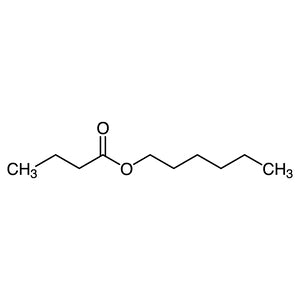
HexylButyrate TCI B1891
Regular price From Rp 1.033.200,00Regular priceRp 738.150,00Sale price From Rp 1.033.200,00 -
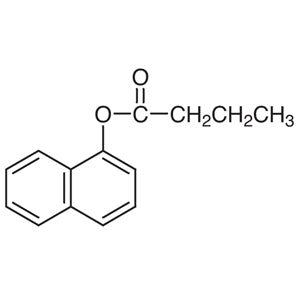
1-NaphthylButyrate TCI B1096
Regular price Rp 3.710.700,00Regular priceRp 2.594.550,00Sale price Rp 3.710.700,00 -
trans-2-HexenylButyrate TCI B1075
Regular price Rp 2.254.350,00Regular priceRp 1.576.050,00Sale price Rp 2.254.350,00 -
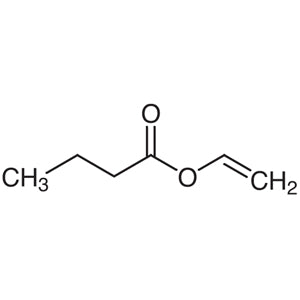
VinylButyrate(stabilizedwithMEHQ) TCI B0765
Regular price From Rp 505.050,00Regular priceRp 352.800,00Sale price From Rp 505.050,00 -
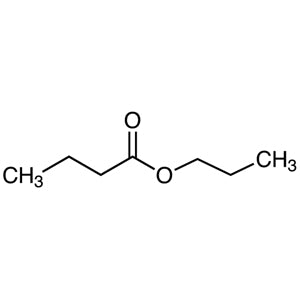
PropylButyrate TCI B0764
Regular price From Rp 505.050,00Regular priceRp 352.800,00Sale price From Rp 505.050,00