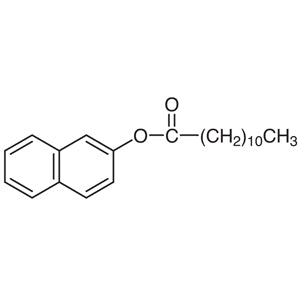
1-Naphthyl Butyrate is a chemical compound widely used in laboratory settings, particularly in organic synthesis reactions. It serves as a key building block in the creation of complex organic molecules, offering versatility in chemical reactions such as esterification and substitution. This compound is essential for researchers aiming to develop compounds with specific properties, including fragrance or functional chemical characteristics. Its role in synthetic chemistry makes it a valuable resource for both academic and industrial research.
The compound is chemically stable under normal conditions, which enhances its usability in various experimental setups. It exhibits good solubility in organic solvents like ethyl acetate and ethanol, expanding its applicability across different reaction types. These properties make it a preferred choice for chemists working on diverse projects, especially those involving the synthesis of aromatic or functionalized compounds. Its stability and solubility ensure consistent results and reduce the risk of unwanted side reactions.
In Indonesian laboratories, 1-Naphthyl Butyrate is commonly used in organic chemistry research conducted by universities and research institutions. It plays a significant role in the development of new compounds with potential applications in pharmaceuticals and industrial sectors. Its availability in the local market supports ongoing scientific endeavors, contributing to the advancement of chemical research in the region.
- Organic Synthesis: This compound is ideal for creating complex organic molecules due to its reactivity and stability, making it a go-to choice for synthetic chemists.
- Aroma Compound Development: Its ability to participate in esterification reactions makes it useful in the formulation of fragrance compounds for perfumery and cosmetic industries.
- Functional Group Modification: The compound's substitutable structure allows for the creation of derivatives with tailored chemical properties, enhancing its utility in advanced research.
- Research in Pharmaceutical Chemistry: It is frequently used in the development of new drugs, where its chemical properties aid in the synthesis of bioactive molecules.
- Industrial Chemical Production: Its solubility and reactivity make it a valuable component in the production of various industrial chemicals and specialty products.
| Brand | TCI |
|---|---|
| CAS number | 3121-70-8 |
| Molecular formula | — |
| Purity | — |
| Category | Chemistry > Building Blocks > Non-Heterocyclic Building Blocks |
| Pack sizes | Available in various quantities as per standard laboratory supply |
| Physical form | Solid, crystalline appearance |
| Storage | Store in a cool, dry place away from direct sunlight and moisture |
1-Naphthyl Butyrate should be stored in a cool, dry environment to maintain its chemical stability. It is recommended to keep it in airtight containers to prevent exposure to moisture and air, which could affect its integrity. The compound should be stored away from direct sunlight and sources of heat to avoid any potential degradation. In laboratory settings, it is important to handle the compound with care, using appropriate personal protective equipment such as gloves and safety goggles. Proper labeling of storage containers ensures safe handling and minimizes the risk of accidental exposure. Regular monitoring of storage conditions helps maintain the compound's quality and usability for research purposes.
—
Produk Terkait
-
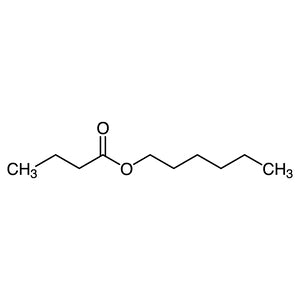
HexylButyrate TCI B1891
Regular price From Rp 1.033.200,00Regular priceRp 738.150,00Sale price From Rp 1.033.200,00 -
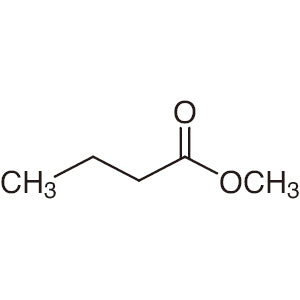
MethylButyrate TCI B0763
Regular price From Rp 477.750,00Regular priceRp 333.900,00Sale price From Rp 477.750,00 -
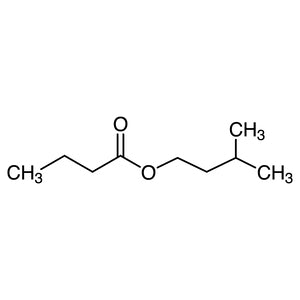
IsoamylButyrate TCI B0760
Regular price From Rp 717.150,00Regular priceRp 500.850,00Sale price From Rp 717.150,00 -
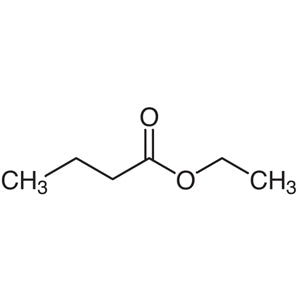
EthylButyrate TCI B0759
Regular price From Rp 477.750,00Regular priceRp 333.900,00Sale price From Rp 477.750,00 -
SodiumButyrate TCI S0519
Regular price From Rp 530.250,00Regular priceRp 370.650,00Sale price From Rp 530.250,00 -
2-NaphthylMyristate TCI M0780
Regular price Rp 4.293.450,00Regular priceRp 3.017.700,00Sale price Rp 4.293.450,00 -
2-NaphthylLaurate TCI L0122
Regular price From Rp 1.749.300,00Regular priceRp 1.239.000,00Sale price From Rp 1.749.300,00 -
sec-ButylButyrate TCI B3559
Regular price From Rp 2.094.750,00Regular priceRp 1.464.750,00Sale price From Rp 2.094.750,00