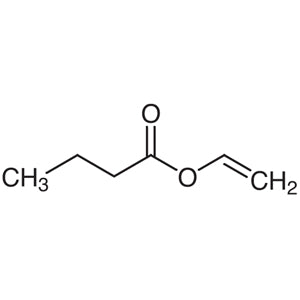
Methyl Butyrate is a chemical compound widely used in laboratory settings, particularly in organic synthesis applications. As a building block in chemical research, it serves as a versatile precursor for various reactions such as esterification, reduction, and substitution. Its simple molecular structure plays a crucial role in the development of more complex organic compounds. This compound is essential in both academic and industrial research due to its chemical stability and reactivity under controlled conditions. Its utility extends beyond synthesis, making it a valuable tool in multiple scientific disciplines.
One of the key reasons methyl butyrate is preferred in laboratories is its chemical stability and predictable behavior in different reaction environments. It is non-toxic and easy to handle, which makes it a safe choice for both educational and research purposes. Additionally, methyl butyrate has a distinct fruity aroma, similar to that of apples, which is useful in studies related to flavor and fragrance chemistry. Its ability to produce specific aromas makes it an important compound in analytical and sensory research. These properties contribute to its widespread use in various chemical applications.
In Indonesian laboratories, methyl butyrate is commonly used in chemical research and educational settings. It plays a vital role in teaching organic chemistry and in the study of aromatic compounds. Its availability and reliability make it a preferred material for both students and researchers. The compound is also used in the development of new chemical products and in the analysis of natural and synthetic substances. Its practicality and safety make it an essential component in many laboratory workflows.
TCI brochures (PDF)
- Lipids 2025-12-17 · p. 8
- Organic synthesis for esterification and substitution reactions due to its reactivity and structural versatility.
- Flavor and fragrance research for its distinct apple-like aroma, aiding in the identification and analysis of aromatic compounds.
- Educational use in teaching organic chemistry, providing hands-on experience with chemical building blocks.
- Analytical chemistry applications for its role in detecting and characterizing organic compounds in various samples.
- Industrial research for the development of new chemical products and the formulation of aromatic compounds.
| Brand | TCI |
|---|---|
| CAS number | 623-42-7 |
| Molecular formula | — |
| Purity | — |
| Category | Chemistry > Building Blocks > Non-Heterocyclic Building Blocks |
| Pack sizes | Available in standard laboratory quantities |
| Physical form | Liquid |
| Storage | Store in a cool, dry place away from direct sunlight |
Methyl butyrate should be stored in a cool, dry location, away from direct sunlight and sources of heat. It is recommended to use airtight containers made of glass or high-density polyethylene to prevent contamination and evaporation. Since it is non-toxic, it is generally safe to handle, but standard laboratory safety precautions should still be followed, such as wearing gloves and protective eyewear. The compound is stable under normal storage conditions but should be kept away from incompatible materials such as strong oxidizing agents. Proper labeling and storage are essential to ensure safe handling and prevent accidental exposure.
—
Produk Terkait
-
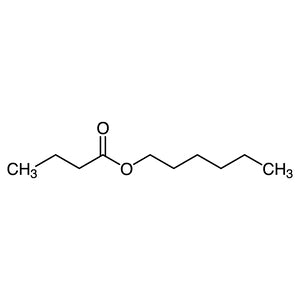
HexylButyrate TCI B1891
Regular price From Rp 1.033.200,00Regular priceRp 738.150,00Sale price From Rp 1.033.200,00 -
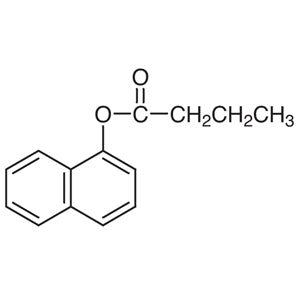
1-NaphthylButyrate TCI B1096
Regular price Rp 3.710.700,00Regular priceRp 2.594.550,00Sale price Rp 3.710.700,00 -
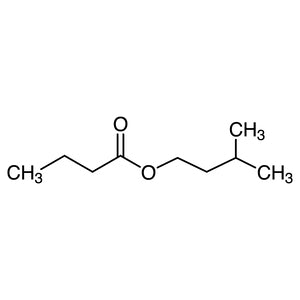
IsoamylButyrate TCI B0760
Regular price From Rp 717.150,00Regular priceRp 500.850,00Sale price From Rp 717.150,00 -
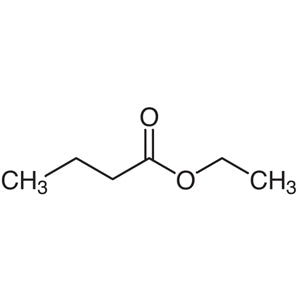
EthylButyrate TCI B0759
Regular price From Rp 477.750,00Regular priceRp 333.900,00Sale price From Rp 477.750,00 -
SodiumButyrate TCI S0519
Regular price From Rp 530.250,00Regular priceRp 370.650,00Sale price From Rp 530.250,00 -
sec-ButylButyrate TCI B3559
Regular price From Rp 2.094.750,00Regular priceRp 1.464.750,00Sale price From Rp 2.094.750,00 -
trans-2-HexenylButyrate TCI B1075
Regular price Rp 2.254.350,00Regular priceRp 1.576.050,00Sale price Rp 2.254.350,00 -
VinylButyrate(stabilizedwithMEHQ) TCI B0765
Regular price From Rp 505.050,00Regular priceRp 352.800,00Sale price From Rp 505.050,00