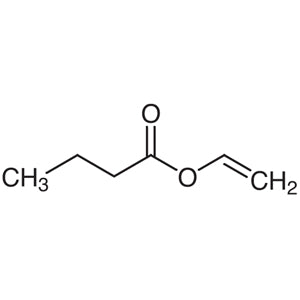
Sodium Butyrate (TCI S0519), with CAS number 156-54-7, is a chemical compound widely used in laboratory settings for various organic synthesis applications. As a member of the butyrate family, it serves as a fundamental building block in chemical reactions, particularly in the creation of esters, fatty acids, and other carbon-chain-based compounds. Its chemical structure is simple yet essential for a range of synthetic processes, making it a versatile reagent in both academic and industrial research environments. Sodium Butyrate is commonly utilized in esterification and hydrolysis reactions, contributing to the development of more complex organic molecules.
One of the key reasons sodium butyrate is preferred in laboratory settings is its chemical stability and solubility in organic solvents such as ethyl acetate and ethanol. These properties make it easy to handle and integrate into various reaction protocols. Additionally, sodium butyrate is relatively non-toxic compared to many other chemical compounds, which enhances its safety profile in laboratory environments. This low toxicity, combined with its availability in solid form, simplifies storage and use, making it a reliable choice for researchers.
In Indonesian laboratories, sodium butyrate is commonly used in educational institutions and research facilities for teaching and experimental purposes. Its role in organic chemistry education is significant, as it allows students and researchers to explore fundamental chemical reactions and synthesis techniques. Its accessibility and safety make it a preferred material for both basic and advanced laboratory experiments in Indonesia.
TCI brochures (PDF)
- Epigenetics Research Reagents 2024-11-22 · p. 1
- Regenerative Medicine Research Reagents 2016-03-18 · p. 1
- Lipids 2025-12-17 · p. 5
- Reagents for Biological Research 2025-03-11 · p. 62
- Esterification Reactions: Sodium butyrate is ideal for esterification due to its ability to participate in condensation reactions with alcohols, forming ester compounds efficiently.
- Hydrolysis Studies: It is frequently used in hydrolysis experiments to study the breakdown of esters into carboxylic acids and alcohols under acidic or basic conditions.
- Organic Synthesis: Its simple structure makes it a valuable reagent in the synthesis of more complex organic molecules, including heterocyclic compounds and functionalized derivatives.
- Teaching Laboratories: Sodium butyrate is commonly used in educational settings to demonstrate fundamental chemical reactions and synthesis techniques to students.
- Analytical Chemistry: It serves as a standard reference material for calibrating instruments and conducting quantitative analysis in analytical chemistry laboratories.
| Brand | TCI |
|---|---|
| CAS number | 156-54-7 |
| Molecular formula | — |
| Purity | — |
| Category | Chemistry > Building Blocks > Non-Heterocyclic Building Blocks |
| Pack sizes | Available in various quantities as per supplier specifications |
| Physical form | Solid |
| Storage | Store in a cool, dry place away from moisture and direct sunlight |
Sodium butyrate should be stored in a cool, dry environment to maintain its chemical stability. It is recommended to keep it in a sealed container to prevent exposure to moisture, which could affect its integrity. Due to its relatively low toxicity, it is considered safe for general laboratory handling, but standard safety precautions should still be followed. It is advisable to use appropriate personal protective equipment, such as gloves and safety goggles, when handling the compound. The solid form of sodium butyrate makes it easy to manage and transport, and it does not require special storage conditions beyond those typical for most chemical reagents. Proper labeling and storage in a designated chemical cabinet will help ensure its safe and effective use in laboratory settings.
—
Product Categories
Produk Terkait
-
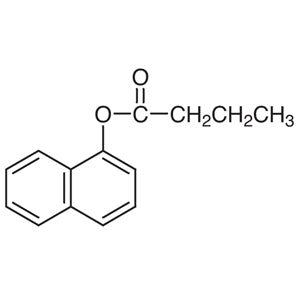
1-NaphthylButyrate TCI B1096
Regular price Rp 3.710.700,00Regular priceRp 2.594.550,00Sale price Rp 3.710.700,00 -
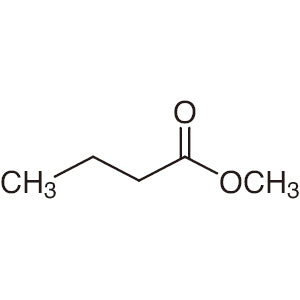
MethylButyrate TCI B0763
Regular price From Rp 477.750,00Regular priceRp 333.900,00Sale price From Rp 477.750,00 -
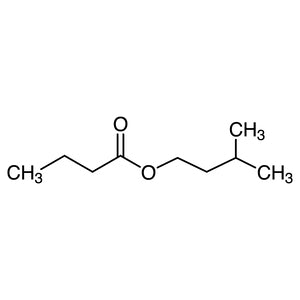
IsoamylButyrate TCI B0760
Regular price From Rp 717.150,00Regular priceRp 500.850,00Sale price From Rp 717.150,00 -
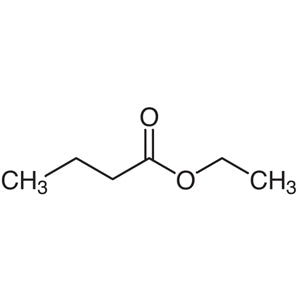
EthylButyrate TCI B0759
Regular price From Rp 477.750,00Regular priceRp 333.900,00Sale price From Rp 477.750,00 -
sec-ButylButyrate TCI B3559
Regular price From Rp 2.094.750,00Regular priceRp 1.464.750,00Sale price From Rp 2.094.750,00 -
trans-2-HexenylButyrate TCI B1075
Regular price Rp 2.254.350,00Regular priceRp 1.576.050,00Sale price Rp 2.254.350,00 -
VinylButyrate(stabilizedwithMEHQ) TCI B0765
Regular price From Rp 505.050,00Regular priceRp 352.800,00Sale price From Rp 505.050,00