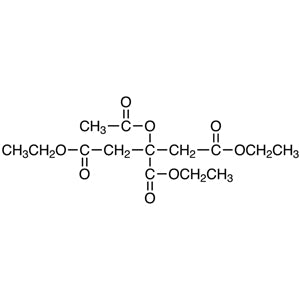
Tributyl Trimellitate (TCI B0880, CAS 1726-23-4) is a chemical compound widely used in laboratory settings as a solvent, auxiliary, or active ingredient in various chemical reactions. It belongs to the category of non-heterocyclic building blocks and is valued for its chemical stability and molecular complexity. This compound plays a crucial role in organic chemistry, particularly in the synthesis of esters and related compounds. Its versatility makes it an essential component in many laboratory experiments and industrial processes.
The chemical and physical properties of Tributyl Trimellitate make it a preferred choice for laboratory use. It exhibits high thermal stability and a high boiling point, which allows it to be used in reactions requiring elevated temperatures without degrading. Additionally, it is non-corrosive and free from toxic components, ensuring a safe working environment. These characteristics contribute to its reliability and consistency in laboratory applications, making it a trusted material for both research and development purposes.
In Indonesian laboratories, Tributyl Trimellitate is commonly used in organic chemistry, pharmaceutical research, and industrial chemistry. Its stable properties and broad applicability make it a valuable resource for researchers and technicians. It is frequently employed in the synthesis of ester-based compounds and as a solvent in various chemical processes. Its widespread use in these fields highlights its importance in the scientific community in Indonesia.
TCI brochures (PDF)
- Polymer Additives 2026-04-16 · p. 3
- Organic synthesis where Tributyl Trimellitate acts as a solvent for esterification reactions due to its stability and compatibility with organic compounds.
- Pharmaceutical research for the development of ester-based drugs, as it provides a reliable medium for chemical transformations.
- Industrial chemistry applications where it is used as a plasticizer or stabilizer in polymer manufacturing processes.
- Analytical chemistry for sample preparation, as its inert nature prevents unwanted side reactions during testing.
- Teaching laboratories for demonstration of ester synthesis and solvent behavior in chemical reactions.
| Brand | TCI |
|---|---|
| CAS number | 1726-23-4 |
| Molecular formula | — |
| Purity | — |
| Category | Chemistry > Building Blocks > Non-Heterocyclic Building Blocks |
| Pack sizes | Available in various sizes as per supplier specifications |
| Physical form | Liquid |
| Storage | Store in a cool, dry place away from direct sunlight |
Tributyl Trimellitate should be stored in a cool, dry location, away from direct sunlight and sources of heat. It is recommended to keep it in a sealed container to prevent evaporation and contamination. Due to its chemical stability, it does not require refrigeration but should be protected from moisture and air exposure. In laboratory settings, it is advisable to handle the compound with appropriate personal protective equipment, such as gloves and safety goggles, to ensure safe handling. Its non-corrosive nature reduces the risk of damage to laboratory equipment, making it a safe and reliable choice for routine use.
—
Produk Terkait
-
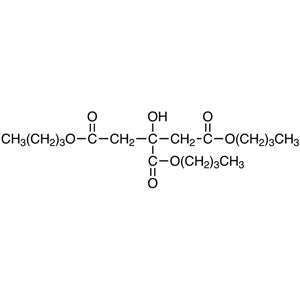
TributylO-Acetylcitrate TCI A0822
Regular price From Rp 452.550,00Regular priceRp 316.050,00Sale price From Rp 452.550,00 -
TributylCitrate TCI C0366
Regular price From Rp 477.750,00Regular priceRp 333.900,00Sale price From Rp 477.750,00 -
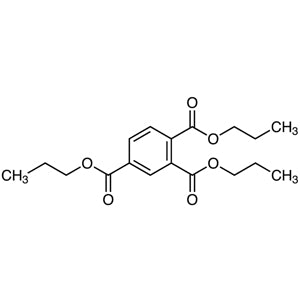
TripropylTrimellitate TCI T1446
Regular price Rp 2.809.800,00Regular priceRp 1.964.550,00Sale price Rp 2.809.800,00 -
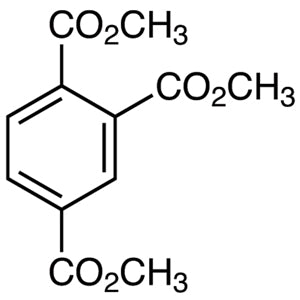
TrimethylTrimellitate TCI T1229
Regular price From Rp 875.700,00Regular priceRp 612.150,00Sale price From Rp 875.700,00 -
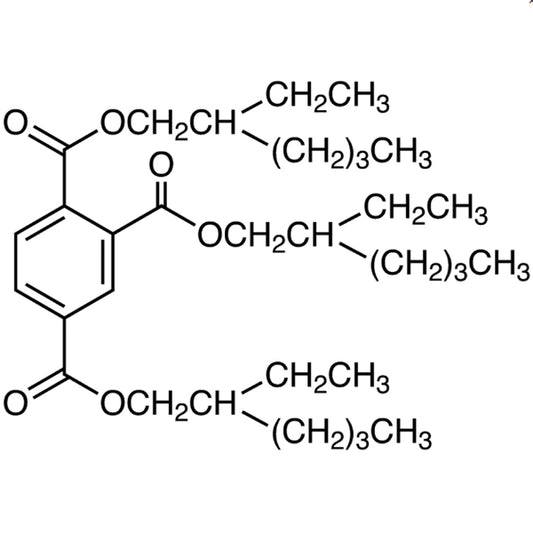
Tris(2-ethylhexyl)Trimellitate TCI B0881
Regular price From Rp 505.050,00Regular priceRp 352.800,00Sale price From Rp 505.050,00 -
TributylPhosphite TCI T0362
Regular price From Rp 903.000,00Regular priceRp 631.050,00Sale price From Rp 903.000,00 -
Bis(2-ethylhexyl)Adipate TCI A0163
Regular price Rp 452.550,00Regular priceRp 316.050,00Sale price Rp 452.550,00 -
TriethylO-Acetylcitrate TCI A0086
Regular price From Rp 584.850,00Regular priceRp 408.450,00Sale price From Rp 584.850,00