Tributyl O-Acetylcitrate (TCI A0822), with CAS number 77-90-7, is a chemical compound widely used in laboratory settings for its versatility in organic synthesis. This compound serves as a valuable building block in the development of various organic compounds, playing a key role in chemical reactions that require stability and reactivity control. Its application spans multiple industries, including pharmaceuticals and cosmetics, where it functions as a solvent and binder. Due to its chemical inertness and solubility in organic solvents, it is a reliable choice for researchers aiming to achieve consistent and reproducible results.
One of the main reasons Tributyl O-Acetylcitrate is preferred in laboratories is its excellent solubility in a wide range of organic solvents, which allows for easy integration into various reaction systems. Its high chemical stability ensures that it remains unchanged under normal laboratory conditions, reducing the risk of unwanted side reactions. Additionally, its non-reactive nature makes it safe to handle, even in environments where other reactive compounds are present. These properties make it a trusted component in both academic and industrial research settings.
In Indonesian laboratories, Tributyl O-Acetylcitrate is commonly used in organic chemistry, pharmaceutical, and cosmetic research. It supports the development of new products that meet local and international quality standards. Its reliability and consistent performance make it a preferred choice for researchers and industries in Indonesia, contributing to the advancement of chemical innovation and product development.
TCI brochures (PDF)
- Polymer Additives 2026-04-16 · p. 4
- Organic synthesis applications benefit from Tributyl O-Acetylcitrate due to its stability and solubility, which support efficient reaction conditions.
- Pharmaceutical research utilizes this compound as a solvent and binder, enhancing the formulation of drug compounds and ensuring consistent results.
- Cosmetic formulation processes rely on its non-reactive properties, making it ideal for use in creating stable and safe cosmetic products.
- Chemical research laboratories use it as a building block for the synthesis of complex organic molecules, offering reliable and reproducible outcomes.
- Industrial laboratories incorporate it into their workflows for its versatility and compatibility with various chemical processes, ensuring product consistency.
| Brand | TCI |
|---|---|
| CAS number | 77-90-7 |
| Molecular formula | — |
| Purity | — |
| Category | Chemistry > Building Blocks > Non-Heterocyclic Building Blocks |
| Pack sizes | Available in various quantities as per standard laboratory supply options |
| Physical form | Liquid |
| Storage | Store in a cool, dry place away from direct sunlight and moisture |
Tributyl O-Acetylcitrate should be stored in a cool, dry environment to maintain its chemical stability. It is recommended to keep the container tightly sealed to prevent exposure to moisture and air. Suitable storage containers include glass or high-density polyethylene bottles, which are resistant to chemical degradation. In laboratory settings, it is important to handle the compound with care, using appropriate personal protective equipment such as gloves and safety goggles. Due to its non-reactive nature, it poses minimal risk in standard laboratory conditions, but proper handling and storage are still essential to ensure long-term usability and safety.
—
Produk Terkait
-
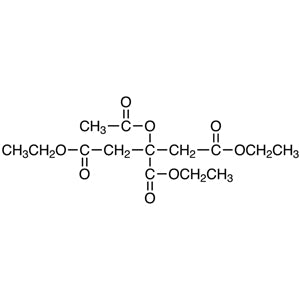
TriethylO-Acetylcitrate TCI A0086
Regular price From Rp 584.850,00Regular priceRp 408.450,00Sale price From Rp 584.850,00 -
TributylTrimellitate TCI B0880
Regular price From Rp 1.538.250,00Regular priceRp 1.075.200,00Sale price From Rp 1.538.250,00 -
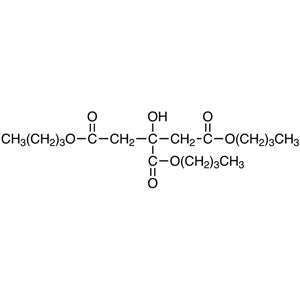
TributylCitrate TCI C0366
Regular price From Rp 477.750,00Regular priceRp 333.900,00Sale price From Rp 477.750,00 -
TributylPhosphite TCI T0362
Regular price From Rp 903.000,00Regular priceRp 631.050,00Sale price From Rp 903.000,00 -
Bis(2-ethylhexyl)Adipate TCI A0163
Regular price Rp 452.550,00Regular priceRp 316.050,00Sale price Rp 452.550,00 -
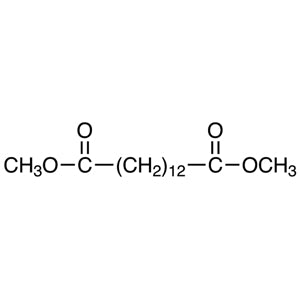
DimethylTetradecanedioate TCI T1726
Regular price From Rp 2.464.350,00Regular priceRp 1.738.800,00Sale price From Rp 2.464.350,00 -
Bis(2-butoxyethyl)Adipate TCI B2716
Regular price From Rp 717.150,00Regular priceRp 500.850,00Sale price From Rp 717.150,00 -
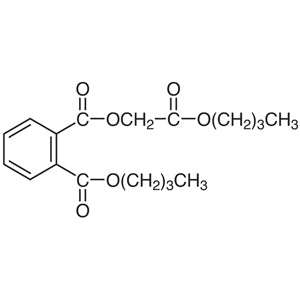
ButylPhthalylButylGlycolate TCI B0737
Regular price From Rp 822.150,00Regular priceRp 590.100,00Sale price From Rp 822.150,00