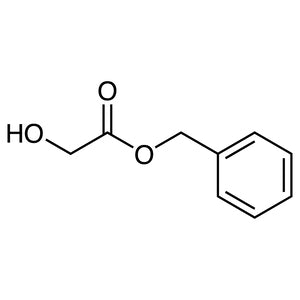
Butyl Phthalyl Butyl Glycolate (BPBG) is a chemical compound widely used as a building block in various laboratory reactions. It serves as a precursor for the synthesis of complex organic compounds, making it an essential material in chemical research. Its unique molecular structure allows for versatile chemical reactions, enabling chemists to create a wide range of derivatives with specific functional groups. This compound is particularly valuable in the development of pharmaceuticals, cosmetics, and specialty chemicals due to its reactivity and compatibility with different synthetic pathways.
BPBG is preferred for its chemical stability under controlled conditions, although it is sensitive to temperature and humidity. It is a colorless liquid with a non-odorous character, which makes it suitable for use in sensitive analytical processes. Its non-reactive nature in certain environments ensures ease of storage and handling, reducing the risk of unintended chemical interactions. The availability of BPBG in various packaging options further enhances its usability in both small-scale and large-scale laboratory settings.
In Indonesian laboratories, BPBG is commonly used in research and development activities, especially in the synthesis of organic compounds. Its reliability and availability make it a popular choice among researchers and industrial chemists. The compound’s versatility supports a wide range of applications, from academic studies to industrial production, contributing to the advancement of chemical sciences in the region.
TCI brochures (PDF)
- Polymer Additives 2026-04-16 · p. 2
- Organic synthesis is a key application where BPBG serves as a versatile building block for creating complex molecules.
- Pharmaceutical research benefits from BPBG due to its ability to participate in reactions that yield bioactive compounds.
- Cosmetic formulation uses BPBG as a component in the development of fragrance and texture modifiers.
- Industrial chemical production relies on BPBG for the synthesis of specialty chemicals with specific functional properties.
- Analytical chemistry applications benefit from BPBG’s stability and non-reactive nature in controlled environments.
| Brand | TCI |
|---|---|
| CAS number | 85-70-1 |
| Molecular formula | — |
| Purity | — |
| Category | Chemistry > Building Blocks > Non-Heterocyclic Building Blocks |
| Pack sizes | Available in various sizes to suit laboratory and industrial needs |
| Physical form | Colorless liquid |
| Storage | Store in a cool, dry place away from direct sunlight and moisture |
BPBG should be stored in a cool, dry environment to maintain its chemical stability. It is recommended to keep the compound in sealed containers to prevent exposure to moisture and temperature fluctuations. Due to its sensitivity, it is important to avoid prolonged contact with air and light. Suitable containers for storage include glass or high-density polyethylene bottles with tight-fitting lids. In laboratory settings, proper ventilation and personal protective equipment should be used when handling BPBG to ensure safety. Regular monitoring of storage conditions helps maintain the integrity of the compound and ensures its effectiveness in chemical applications.
—
Produk Terkait
-
EthylPhthalylEthylGlycolate TCI E0164
Regular price From Rp 822.150,00Regular priceRp 590.100,00Sale price From Rp 822.150,00 -
tert-ButylGlycolate TCI B5353
Regular price Rp 1.776.600,00Regular priceRp 1.257.900,00Sale price Rp 1.776.600,00 -
BenzylGlycolate TCI P2927
Regular price From Rp 2.068.500,00Regular priceRp 1.461.600,00Sale price From Rp 2.068.500,00 -
EthylGlycolate TCI G0242
Regular price From Rp 1.776.600,00Regular priceRp 1.257.900,00Sale price From Rp 1.776.600,00 -
CalciumGlycolate TCI G0200
Regular price Rp 2.147.250,00Regular priceRp 1.517.250,00Sale price Rp 2.147.250,00 -
MethylGlycolate TCI G0199
Regular price From Rp 1.723.050,00Regular priceRp 1.220.100,00Sale price From Rp 1.723.050,00 -
SodiumGlycolate TCI G0111
Regular price From Rp 955.500,00Regular priceRp 683.550,00Sale price From Rp 955.500,00 -
Bis(2-ethylhexyl)Adipate TCI A0163
Regular price Rp 452.550,00Regular priceRp 316.050,00Sale price Rp 452.550,00