1,2-Benzisoxazole is a chemical compound classified under the category of heterocyclic building blocks. It plays a crucial role in organic chemistry and pharmacology, serving as a foundational component in the synthesis of complex molecules. This compound is widely used in laboratory settings to construct more intricate molecular structures, making it an essential tool for researchers involved in chemical innovation. Its versatility and reactivity make it a valuable asset in the development of new compounds with specific biological activities.
The key properties that make 1,2-Benzisoxazole a preferred choice include its stable molecular structure and ability to participate in various chemical reactions such as substitution and cyclization. Its chemical reactivity allows it to form bonds with different functional groups, enhancing its utility in synthetic pathways. Additionally, its structural stability ensures that it maintains its integrity during chemical transformations, making it a reliable material for laboratory applications. These characteristics contribute to its popularity among scientists seeking to develop new pharmaceuticals and industrial chemicals.
In Indonesian laboratories, 1,2-Benzisoxazole is commonly used in organic chemistry research, especially in the development of pharmacological compounds and industrial chemicals. Its role in building complex molecular structures makes it an essential component in the work of chemists and researchers. The compound is frequently employed in the synthesis of bioactive molecules, supporting advancements in both academic and applied research fields.
Related TCI products
- TCI B2912 4865-84-3 1,2-Benzisoxazole-3-acetic Acid
- TCI E0731 57764-49-5 Ethyl 1,2-Benzisoxazole-3-carboxylate
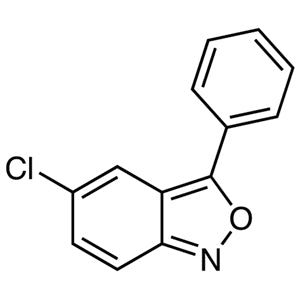
- TCI C1687 719-64-2 5-Chloro-3-phenyl-2,1-benzisoxazole
- TCI F0944 84163-13-3 6-Fluoro-3-(4-piperidinyl)-1,2-benzisoxazole Hydrochloride
- TCI F0735 84163-77-9 6-Fluoro-3-(4-piperidinyl)-1,2-benzisoxazole
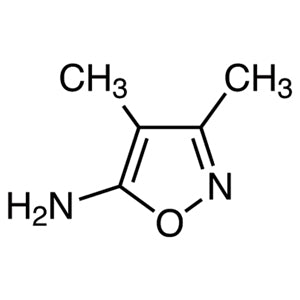
- TCI A3179 19947-75-2 5-Amino-3,4-dimethylisoxazole
- Organic synthesis applications benefit from 1,2-Benzisoxazole due to its structural versatility and reactivity in forming complex molecules.
- Pharmaceutical research utilizes this compound to develop new drugs with targeted biological activities and improved therapeutic properties.
- Industrial chemical development relies on 1,2-Benzisoxazole for creating compounds with specific functional properties and chemical stability.
- Academic research in heterocyclic chemistry uses this building block to explore new synthetic pathways and molecular structures.
- Bioactive compound synthesis requires 1,2-Benzisoxazole for constructing molecules with potential applications in medicine and biotechnology.
| Brand | TCI |
|---|---|
| CAS number | 271-95-4 |
| Molecular formula | — |
| Purity | — |
| Category | Chemistry > Building Blocks > Heterocyclic Building Blocks |
| Pack sizes | Available in various quantities as per standard laboratory supply |
| Physical form | Solid, crystalline |
| Storage | Store in a cool, dry place away from light and moisture |
1,2-Benzisoxazole should be stored in a cool, dry place, away from direct light and moisture to maintain its chemical stability. It is recommended to keep the compound in airtight containers to prevent exposure to air and humidity, which could affect its integrity. Laboratory personnel should handle the material with care, using appropriate personal protective equipment such as gloves and safety goggles. It is important to ensure that the storage area is well-ventilated to minimize any potential risks associated with its chemical reactivity. Proper labeling of containers is also essential to ensure safe handling and prevent accidental exposure.
—
Produk Terkait
-
1,2-Benzisoxazole-3-aceticAcid TCI B2912
Regular price Rp 2.835.000,00Regular priceRp 1.998.150,00Sale price Rp 2.835.000,00 -
Ethyl1,2-Benzisoxazole-3-carboxylate TCI E0731
Regular price Rp 1.008.000,00Regular priceRp 720.300,00Sale price Rp 1.008.000,00 -
5-Chloro-3-phenyl-2,1-benzisoxazole TCI C1687
Regular price Rp 1.670.550,00Regular priceRp 1.183.350,00Sale price Rp 1.670.550,00 -
6-Fluoro-3-(4-piperidinyl)-1,2-benzisoxazoleHydrochloride TCI F0944
Regular price From Rp 530.250,00Regular priceRp 386.400,00Sale price From Rp 530.250,00 -
6-Fluoro-3-(4-piperidinyl)-1,2-benzisoxazole TCI F0735
Regular price Rp 2.384.550,00Regular priceRp 1.683.150,00Sale price Rp 2.384.550,00 -
5-Amino-3,4-dimethylisoxazole TCI A3179
Regular price From Rp 1.246.350,00Regular priceRp 887.250,00Sale price From Rp 1.246.350,00 -
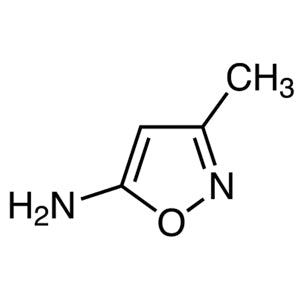
5-Amino-3-methylisoxazole TCI A2867
Regular price From Rp 1.060.500,00Regular priceRp 757.050,00Sale price From Rp 1.060.500,00 -
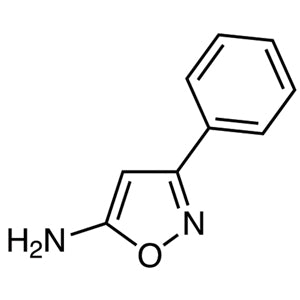
5-Amino-3-phenylisoxazole TCI A2437
Regular price Rp 2.359.350,00Regular priceRp 1.665.300,00Sale price Rp 2.359.350,00