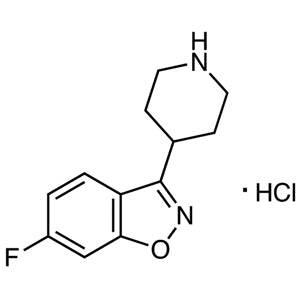
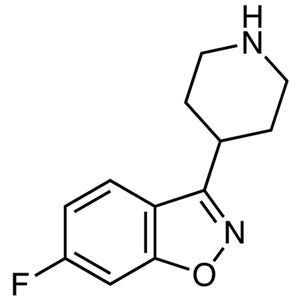
6-Fluoro-3-(4-piperidinyl)-1,2-benzisoxazole Hydrochloride is a chemical compound widely used in organic chemistry research. This compound serves as a key building block in the synthesis of complex molecules, particularly in the development of pharmaceuticals and bioactive compounds. Its unique molecular structure, featuring a fluorine atom and a piperidine ring, makes it an essential component for researchers aiming to design and test new chemical entities. In the laboratory, it is frequently employed as a starting material for various synthetic pathways, contributing to the advancement of both academic and industrial research.
The compound’s chemical and physical properties make it a preferred choice for specialized applications. The presence of the fluorine group enhances its reactivity and selectivity in chemical reactions, while the piperidine ring provides structural versatility. These characteristics allow it to be tailored for specific research needs, offering stability and reactivity that can be fine-tuned depending on the desired outcome. Its ability to participate in a wide range of chemical transformations makes it a versatile tool for chemists working in diverse fields.
In Indonesian laboratories, this compound is commonly used in both fundamental and applied chemical research. It is a staple in academic institutions and research centers, where it supports the development of new drugs, bioactive materials, and chemical innovations. Its role in biological activity testing and compound synthesis makes it an essential resource for scientists aiming to expand their research capabilities.
TCI brochures (PDF)
- Fluorination Reagents, Fluorinated Building Blocks 2026-03-18 · p. 50
Related TCI products
- TCI F0735 84163-77-9 6-Fluoro-3-(4-piperidinyl)-1,2-benzisoxazole
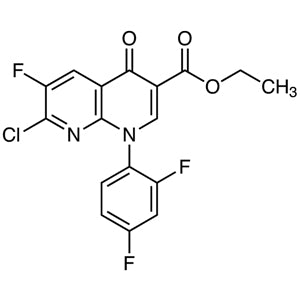
- TCI E1180 100491-29-0 Ethyl 7-Chloro-1-(2,4-difluorophenyl)-6-fluoro-4-oxo-1,4-dihydro-1,8-naphthyridine-3-carboxylate
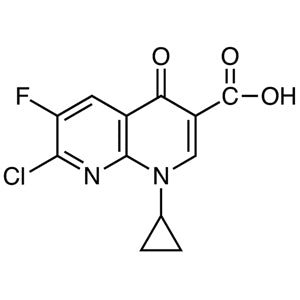
- TCI C2650 100361-18-0 7-Chloro-1-cyclopropyl-6-fluoro-1,4-dihydro-4-oxo-1,8-naphthyridine-3-carboxylic Acid
- TCI B6777 1402232-95-4 tert-Butyl 5'-Fluoro-1',4'-dihydro-2'H-spiro[piperidine-4,3'-quinoline]-1-carboxylate
- TCI B6776 1402232-83-0 tert-Butyl 7'-Fluoro-1',4'-dihydro-2'H-spiro[piperidine-4,3'-quinoline]-1-carboxylate
- TCI B4810 168828-81-7 Benzyl (3-Fluoro-4-morpholinophenyl)carbamate
- Organic synthesis is a primary application where this compound is used as a versatile building block for creating complex molecules with specific functional groups.
- Pharmaceutical research benefits from its use in the development of new drug candidates, particularly in the design of bioactive compounds with targeted therapeutic effects.
- Bioactive compound development relies on this material due to its reactivity and ability to participate in various synthetic pathways.
- Material science research utilizes it for the synthesis of novel materials with unique chemical properties and functional characteristics.
- Analytical chemistry applications benefit from its stability and reactivity, allowing it to be used as a standard or reagent in various analytical procedures.
| Brand | TCI |
|---|---|
| CAS number | 84163-13-3 |
| Molecular formula | — |
| Purity | — |
| Category | Chemistry > Building Blocks > Fluorinated Building Blocks |
| Pack sizes | Available in various quantities as per standard laboratory supply formats |
| Physical form | Solid, typically in crystalline or powder form |
| Storage | Store in a cool, dry place away from moisture and direct sunlight |
This compound should be stored in a cool, dry environment to maintain its chemical integrity and prevent degradation. It is recommended to use airtight containers to protect it from moisture and air exposure. Due to its chemical reactivity, it should be handled with appropriate personal protective equipment, such as gloves and safety goggles. It is important to store it away from incompatible substances to avoid any potential chemical interactions. Proper labeling and storage conditions ensure the safety of laboratory personnel and the consistency of experimental results.
—
Product Categories
Produk Terkait
-
6-Fluoro-3-(4-piperidinyl)-1,2-benzisoxazole TCI F0735
Regular price Rp 2.332.050,00Regular price -
Ethyl7-Chloro-1-(2,4-difluorophenyl)-6-fluoro-4-oxo-1,4-dihydro-1,8-naphthyridine-3-carboxylate TCI E1180
Regular price From Rp 875.700,00Regular price -
7-Chloro-1-cyclopropyl-6-fluoro-1,4-dihydro-4-oxo-1,8-naphthyridine-3-carboxylicAcid TCI C2650
Regular price From Rp 664.650,00Regular price -
tert-Butyl5'-Fluoro-1',4'-dihydro-2'H-spiro[piperidine-4,3'-quinoline]-1-carboxylate TCI B6777
Regular price Rp 7.182.000,00Regular price -
tert-Butyl7'-Fluoro-1',4'-dihydro-2'H-spiro[piperidine-4,3'-quinoline]-1-carboxylate TCI B6776
Regular price Rp 7.182.000,00Regular price -
Benzyl(3-Fluoro-4-morpholinophenyl)carbamate TCI B4810
Regular price From Rp 664.650,00Regular price -
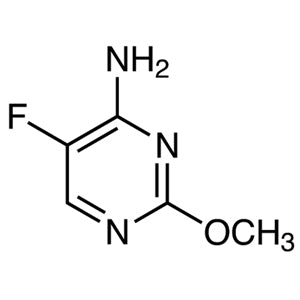
4-Amino-5-fluoro-2-methoxypyrimidine TCI A2125
Regular price Rp 2.491.650,00Regular price -
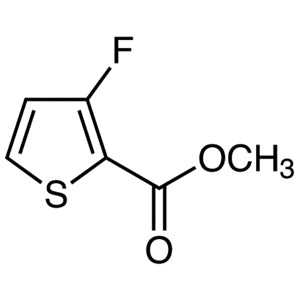
Methyl3-Fluoro-2-thiophenecarboxylate TCI M2295
Regular price Rp 2.068.500,00Regular price

![tert-Butyl 5'-Fluoro-1',4'-dihydro-2'H-spiro[piperidine-4,3'-quinoline]-1-carboxylate (CAS 1402232-95-4) - TCI B6777 - AMI Scientific](http://amiscientific.com/cdn/shop/files/TCI2510B6777.jpg?v=1768816103&width=533)
![tert-Butyl 7'-Fluoro-1',4'-dihydro-2'H-spiro[piperidine-4,3'-quinoline]-1-carboxylate (CAS 1402232-83-0) - TCI B6776 - AMI Scientific](http://amiscientific.com/cdn/shop/files/TCI2510B6776.jpg?v=1771058548&width=533)