Tert-Butyl Methyl Ether (TBME), with the CAS number 1634-04-4, is a versatile chemical compound widely used in organic laboratory settings. As a key building block in the synthesis of complex organic molecules, TBME serves both as a solvent and a reagent in various chemical reactions. Its role is essential in facilitating reactions such as substitution and esterification, making it a fundamental component in synthetic chemistry. Due to its chemical stability and compatibility with a range of organic solvents, TBME is a reliable choice for researchers seeking efficient and reproducible results in their experiments.
TBME is known for its polar and volatile nature, which makes it an effective solvent for a variety of organic compounds. Its low boiling point allows for easy removal during purification processes, which is particularly advantageous in synthetic workflows. Additionally, TBME is colorless and odorless, reducing the risk of contamination and ensuring consistent results. Its good solubility in solvents like ethyl acetate and acetone further enhances its utility in laboratory applications. These properties collectively make TBME a preferred choice for both academic and industrial research environments.
In Indonesian laboratories, TBME is commonly used in organic synthesis and chemical analysis. It plays a crucial role in the development of new compounds and the refinement of existing ones. Its widespread use across both academic and industrial settings highlights its importance in supporting advanced chemical research. Researchers in Indonesia rely on TBME for its reliability and effectiveness in a wide range of chemical processes, making it an essential reagent in modern laboratory practices.
TCI brochures (PDF)
- Amino Acids and Peptide Synthesis Reagents 2025-08-14 · p. 38
- Organic synthesis reactions where TBME acts as a solvent and reagent to facilitate substitution and esterification processes.
- Purification of organic compounds through distillation and solvent extraction due to its volatility and solubility properties.
- Preparation of intermediate compounds in the synthesis of complex organic molecules, leveraging TBME's stability and reactivity.
- Analytical chemistry applications where TBME is used to dissolve and analyze organic samples in chromatographic techniques.
- Industrial chemical processes requiring a reliable and efficient solvent for reaction media and product isolation.
From the TCI brochure
- Solvent for washing the resin
| Brand | TCI |
|---|---|
| CAS number | 1634-04-4 |
| Molecular formula | — |
| Purity | — |
| Category | Chemistry > Building Blocks > Non-Heterocyclic Building Blocks |
| Pack sizes | Available in various sizes as per supplier specifications |
| Physical form | Liquid |
| Storage | Store in a cool, dry, and well-ventilated area away from heat and direct sunlight |
TBME should be stored in a cool, dry, and well-ventilated area, away from heat and direct sunlight. It is recommended to use sealed containers made of materials compatible with organic solvents, such as glass or high-density polyethylene. Due to its volatility, proper ventilation is essential when handling TBME to prevent inhalation of vapors. Avoid contact with skin and eyes, and ensure that spill containment measures are in place. Since TBME is non-reactive under normal conditions, it does not require special storage conditions beyond those standard for organic solvents. Always follow standard laboratory safety protocols when working with this compound.
—
Produk Terkait
-
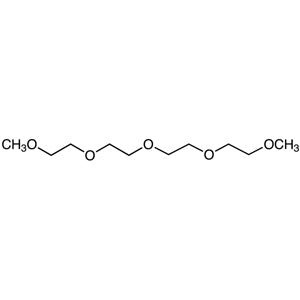
TetraethyleneGlycolDimethylEther TCI B0497
Regular price From Rp 530.250,00Regular priceRp 386.400,00Sale price From Rp 530.250,00 -
AmylEther TCI A0451
Regular price From Rp 1.749.300,00Regular priceRp 1.223.250,00Sale price From Rp 1.749.300,00 -
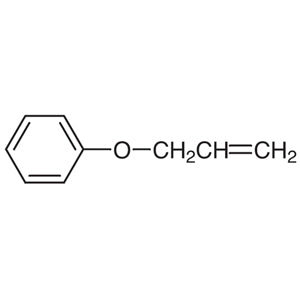
AllylPhenylEther TCI A0234
Regular price From Rp 1.140.300,00Regular priceRp 796.950,00Sale price From Rp 1.140.300,00 -
AllylGlycidylEther TCI A0221
Regular price From Rp 477.750,00Regular priceRp 333.900,00Sale price From Rp 477.750,00 -
VanillylButylEther TCI V0161
Regular price From Rp 928.200,00Regular priceRp 664.650,00Sale price From Rp 928.200,00 -
o-Tolyl3,5-XylylEther TCI T2213
Regular price From Rp 3.683.400,00Regular priceRp 2.575.650,00Sale price From Rp 3.683.400,00 -
TetraethyleneGlycolMonobenzylEther TCI T1997
Regular price From Rp 3.365.250,00Regular priceRp 2.368.800,00Sale price From Rp 3.365.250,00 -
TriethyleneGlycolMonobenzylEther TCI T1996
Regular price From Rp 3.578.400,00Regular priceRp 2.517.900,00Sale price From Rp 3.578.400,00