4-Butoxybenzyl Alcohol is a chemical compound widely used as a foundational material in various chemical reactions and the synthesis of complex molecules. This compound plays a crucial role in organic chemistry laboratories, where it serves as a versatile building block for the creation of aromatic compounds and bioactive substances. Its molecular structure, consisting of a benzene ring connected to a butoxybenzyl group, makes it particularly valuable in synthetic pathways that require functional group manipulation.
The physical and chemical properties of 4-Butoxybenzyl Alcohol contribute to its popularity among researchers. It is a stable, colorless liquid with a mild odor, which ensures consistent performance in laboratory settings. Its chemical stability and availability make it an ideal choice for substitution and condensation reactions. These characteristics allow it to be reliably used in a wide range of experimental applications without compromising the integrity of the results.
In Indonesian laboratories, 4-Butoxybenzyl Alcohol is extensively utilized in chemical, pharmaceutical, and industrial research. It is commonly found in labs focused on the synthesis of new compounds, drug development, and the study of organic reactivity. Its accessibility and reliability make it a preferred material for many researchers working on complex chemical processes and molecular design.
Related TCI products
- Organic synthesis applications benefit from 4-Butoxybenzyl Alcohol due to its ability to participate in substitution and condensation reactions, enabling the creation of complex aromatic compounds.
- Pharmaceutical research utilizes this compound as a precursor in the development of bioactive molecules, supporting the synthesis of drug candidates with therapeutic potential.
- Industrial chemical processes incorporate this material for its stability and reactivity, making it suitable for large-scale production of organic intermediates.
- Academic research in organic chemistry relies on this compound for its versatility in functional group transformations and molecular design.
- Environmental studies may use 4-Butoxybenzyl Alcohol to investigate the reactivity and degradation pathways of organic pollutants in various matrices.
| Brand | TCI |
|---|---|
| CAS number | 6214-45-5 |
| Molecular formula | — |
| Purity | — |
| Category | Chemistry > Building Blocks > Non-Heterocyclic Building Blocks |
| Pack sizes | Available in standard laboratory quantities |
| Physical form | Colorless liquid |
| Storage | Store in a cool, dry place away from light and incompatible materials |
4-Butoxybenzyl Alcohol should be stored in a cool, dry environment, away from direct sunlight and sources of heat. It is recommended to keep the compound in a tightly sealed container made of inert materials such as glass or polyethylene to prevent contamination and evaporation. Due to its chemical stability, it does not require refrigeration but should be protected from moisture and incompatible substances. In laboratory settings, proper ventilation should be maintained when handling this compound to ensure safe working conditions. Always use appropriate personal protective equipment, including gloves and safety goggles, to minimize exposure and maintain a safe laboratory environment.
—
Produk Terkait
-
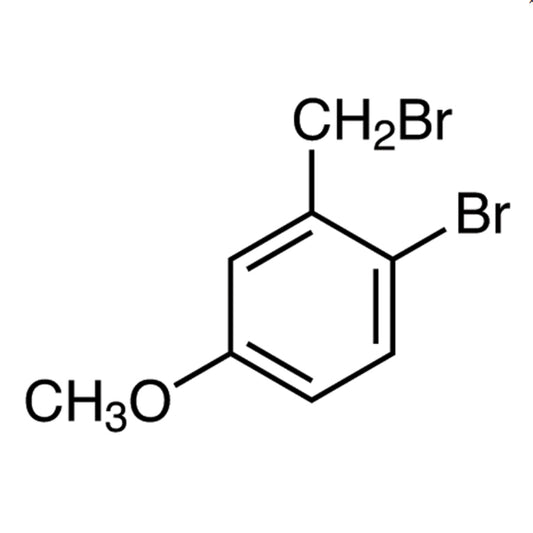
2-Bromo-5-methoxybenzylBromide TCI B4423
Regular price From Rp 1.298.850,00Regular priceRp 908.250,00Sale price From Rp 1.298.850,00 -
5-Bromo-2-methoxybenzylAlcohol TCI B3369
Regular price From Rp 1.087.800,00Regular priceRp 775.950,00Sale price From Rp 1.087.800,00 -
5-Bromo-2-hydroxybenzylAlcohol TCI B2164
Regular price From Rp 557.550,00Regular priceRp 389.550,00Sale price From Rp 557.550,00 -
3-Bromo-4-methoxybenzylCyanide TCI B1455
Regular price From Rp 1.298.850,00Regular priceRp 924.000,00Sale price From Rp 1.298.850,00 -
(4-Methoxybenzyl)MethylEther TCI M2305
Regular price Rp 3.551.100,00Regular priceRp 2.483.250,00Sale price Rp 3.551.100,00 -
3-MethoxybenzylAlcohol TCI M1101
Regular price Rp 1.326.150,00Regular priceRp 942.900,00Sale price Rp 1.326.150,00 -
2-MethoxybenzylAlcohol TCI M1017
Regular price Rp 2.013.900,00Regular priceRp 1.423.800,00Sale price Rp 2.013.900,00 -
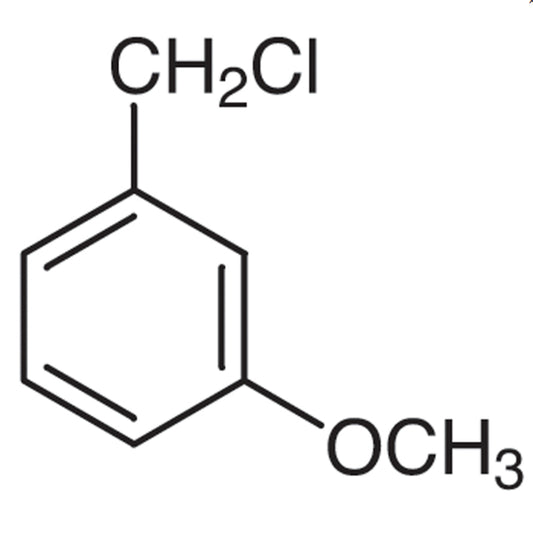
3-MethoxybenzylChloride TCI M0820
Regular price From Rp 1.035.300,00Regular priceRp 723.450,00Sale price From Rp 1.035.300,00