3-Bromo-4-methoxybenzyl Cyanide is a chemical compound widely used as a building block in the synthesis of complex molecules. It plays a crucial role in organic chemistry laboratories, where it serves as a versatile reagent for constructing aromatic and heterocyclic structures. This compound is particularly valuable for its ability to participate in various substitution and electrophilic reactions, making it an essential tool for researchers aiming to develop new compounds with specific functional groups. Its presence in synthetic pathways allows for the creation of a wide range of derivatives, which are critical in pharmaceutical and material sciences.
The compound’s unique chemical properties, including its stability under controlled conditions and reactivity toward various reagents, make it a preferred choice among scientists. The presence of both bromo and methoxy functional groups enhances its utility in synthetic transformations, enabling it to act as a versatile intermediate. Its solubility in organic solvents further simplifies its use in laboratory procedures, ensuring efficient processing and application. These characteristics make it a reliable and effective component in the synthesis of complex organic molecules.
In Indonesian laboratories, 3-Bromo-4-methoxybenzyl Cyanide is commonly used in organic chemistry research. It is frequently employed in the development of new compounds for pharmaceutical applications and in the study of reaction mechanisms. Its availability and chemical versatility make it a staple in both academic and industrial research settings, supporting a wide range of chemical investigations.
Related TCI products
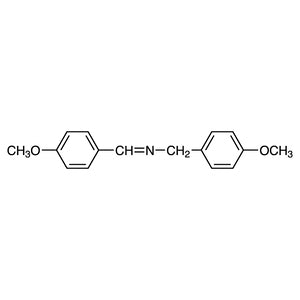
- TCI M3543 3261-60-7 N-(4-Methoxybenzyl)-1-(4-methoxyphenyl)methanimine
- TCI M0605 3230-39-5 N-(4-Methoxybenzylidene)-4-hydroxyaniline
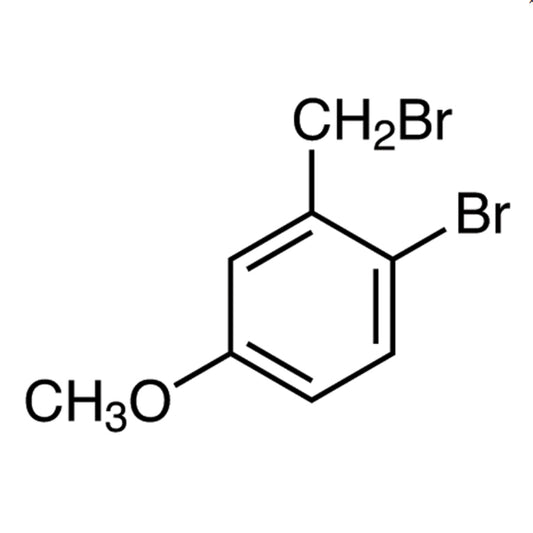
- TCI B4423 19614-12-1 2-Bromo-5-methoxybenzyl Bromide
- TCI B3369 80866-82-6 5-Bromo-2-methoxybenzyl Alcohol
- TCI B3857 1700-30-7 3-Benzyloxybenzyl Alcohol
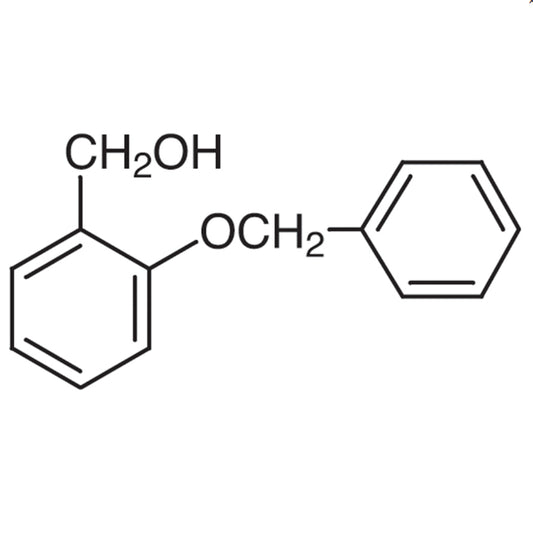
- TCI B2943 3381-87-1 2-Benzyloxybenzyl Alcohol
- Organic synthesis research, as it serves as a key intermediate in the creation of complex aromatic and heterocyclic compounds.
- Pharmaceutical development, due to its ability to participate in substitution reactions that lead to drug molecule synthesis.
- Material science studies, where its functional groups can be modified to create new materials with specific properties.
- Analytical chemistry applications, as it can be used as a standard for spectroscopic and chromatographic analysis.
- Teaching laboratories, where it is used to demonstrate fundamental organic reactions and synthetic techniques.
| Brand | TCI |
|---|---|
| CAS number | 772-59-8 |
| Molecular formula | — |
| Purity | — |
| Category | Chemistry > Building Blocks > Non-Heterocyclic Building Blocks |
| Pack sizes | Available in various quantities as per standard laboratory supply |
| Physical form | Liquid |
| Storage | Store in a cool, dry place away from light and incompatible materials |
This compound should be stored in a cool, dry environment, away from direct sunlight and sources of heat. It is recommended to use sealed containers made of glass or high-density polyethylene to prevent contamination and evaporation. Due to its reactivity, it should be kept away from strong oxidizing agents and incompatible substances. Always handle with appropriate personal protective equipment, including gloves and safety goggles, to ensure safety during use and storage. Proper ventilation is essential when working with this material to minimize exposure. Regular inspection of storage conditions is advised to maintain the compound’s stability and effectiveness in laboratory applications.
—
Produk Terkait
-
N-(4-Methoxybenzyl)-1-(4-methoxyphenyl)methanimine TCI M3543
Regular price From Rp 1.961.400,00Regular priceRp 1.387.050,00Sale price From Rp 1.961.400,00 -
N-(4-Methoxybenzylidene)-4-hydroxyaniline TCI M0605
Regular price Rp 1.776.600,00Regular priceRp 1.257.900,00Sale price Rp 1.776.600,00 -
2-Bromo-5-methoxybenzylBromide TCI B4423
Regular price From Rp 1.298.850,00Regular priceRp 908.250,00Sale price From Rp 1.298.850,00 -
5-Bromo-2-methoxybenzylAlcohol TCI B3369
Regular price From Rp 1.087.800,00Regular priceRp 775.950,00Sale price From Rp 1.087.800,00 -
3-BenzyloxybenzylAlcohol TCI B3857
Regular price Rp 2.227.050,00Regular priceRp 1.572.900,00Sale price Rp 2.227.050,00 -
2-BenzyloxybenzylAlcohol TCI B2943
Regular price From Rp 3.074.400,00Regular priceRp 2.165.100,00Sale price From Rp 3.074.400,00 -
5-Bromo-2-hydroxybenzylAlcohol TCI B2164
Regular price From Rp 557.550,00Regular priceRp 389.550,00Sale price From Rp 557.550,00 -
4-BenzyloxybenzylAlcohol TCI B1602
Regular price From Rp 662.550,00Regular priceRp 478.800,00Sale price From Rp 662.550,00