4-Benzyloxybenzyl Alcohol is a chemical compound widely used as a building block in the synthesis of complex organic molecules. It plays a crucial role in laboratory settings where researchers aim to create new compounds with specific structural and functional properties. This compound is particularly valuable in the development of heterocyclic and aromatic structures, providing a versatile foundation for molecular design. Its presence in various chemical reactions makes it an essential tool for chemists working in diverse fields such as pharmacology, materials science, and organic chemistry.
The compound is characterized by its stable aromatic structure and good solubility in organic solvents, making it a preferred choice for substitution and coupling reactions. These properties allow it to participate effectively in a wide range of synthetic processes without undergoing unwanted side reactions. Its chemical stability under controlled laboratory conditions ensures that it remains effective during storage and usage, minimizing the risk of degradation and maintaining its utility over time.
In Indonesian laboratories, 4-Benzyloxybenzyl Alcohol is commonly used in scientific research focused on the synthesis of bioactive compounds. Many research institutions and universities rely on this compound as a key reagent for experiments requiring the construction of complex molecular structures. Its reliability and performance make it a standard component in the chemical toolkit of Indonesian researchers.
Related TCI products
- Organic synthesis is a primary application where this compound serves as a versatile building block for constructing complex molecular frameworks.
- Pharmacological research benefits from its use in the development of bioactive molecules, aiding in drug discovery and development.
- Material science applications leverage its aromatic structure for creating advanced polymers and functional materials.
- Analytical chemistry experiments often incorporate this compound as a standard reference for calibration and testing.
- Environmental studies may use it to simulate chemical interactions in natural systems, supporting ecological research initiatives.
| Brand | TCI |
|---|---|
| CAS number | 836-43-1 |
| Molecular formula | — |
| Purity | — |
| Category | Chemistry > Building Blocks > Non-Heterocyclic Building Blocks |
| Pack sizes | Available in various quantities to suit different laboratory needs |
| Physical form | Liquid |
| Storage | Store in a cool, dry place away from light and incompatible substances |
This compound should be stored in a cool, dry place, away from direct light and incompatible substances to maintain its stability and effectiveness. It is recommended to use airtight containers to prevent contamination and moisture ingress. Proper labeling of storage containers is essential for safety and traceability. In laboratory environments, it should be handled with appropriate personal protective equipment, such as gloves and safety goggles, to ensure safe handling. Regular monitoring of storage conditions is advised to maintain the integrity of the compound and ensure its suitability for use in research applications.
—
Produk Terkait
-
3-BenzyloxybenzylAlcohol TCI B3857
Regular price Rp 2.227.050,00Regular priceRp 1.572.900,00Sale price Rp 2.227.050,00 -
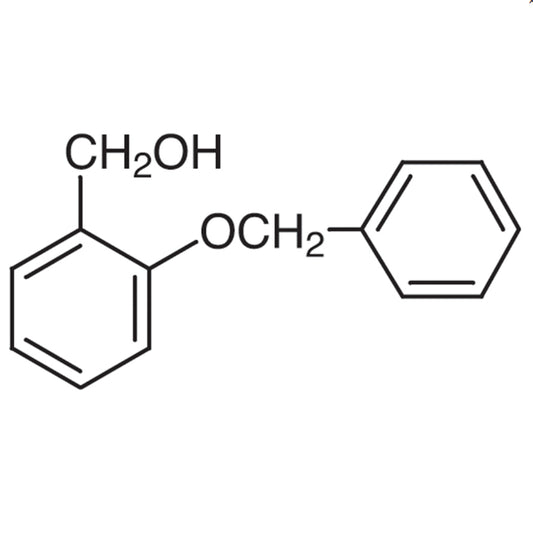
2-BenzyloxybenzylAlcohol TCI B2943
Regular price From Rp 3.074.400,00Regular priceRp 2.165.100,00Sale price From Rp 3.074.400,00 -
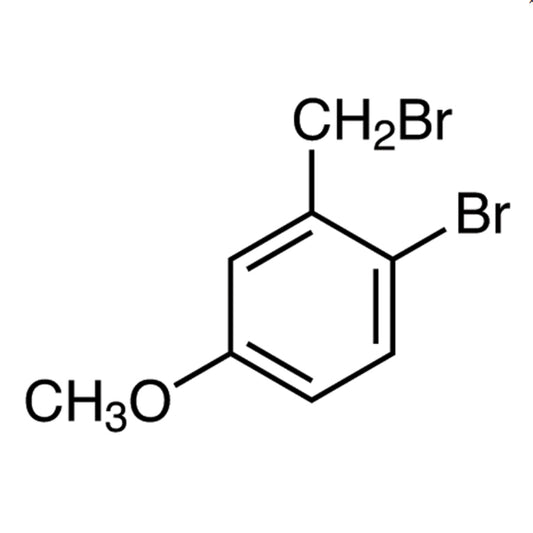
2-Bromo-5-methoxybenzylBromide TCI B4423
Regular price From Rp 1.298.850,00Regular priceRp 908.250,00Sale price From Rp 1.298.850,00 -
5-Bromo-2-methoxybenzylAlcohol TCI B3369
Regular price From Rp 1.087.800,00Regular priceRp 775.950,00Sale price From Rp 1.087.800,00 -
5-Bromo-2-hydroxybenzylAlcohol TCI B2164
Regular price From Rp 557.550,00Regular priceRp 389.550,00Sale price From Rp 557.550,00 -
3-Bromo-4-methoxybenzylCyanide TCI B1455
Regular price From Rp 1.298.850,00Regular priceRp 924.000,00Sale price From Rp 1.298.850,00 -
(4-Methoxybenzyl)MethylEther TCI M2305
Regular price Rp 3.551.100,00Regular priceRp 2.483.250,00Sale price Rp 3.551.100,00 -
3-MethoxybenzylAlcohol TCI M1101
Regular price Rp 1.326.150,00Regular priceRp 942.900,00Sale price Rp 1.326.150,00