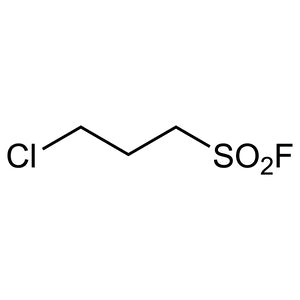
Benzoyl Fluoride is a chemical compound widely used in organic reactions, particularly in the synthesis of fluorinated compounds. As a fluorinated building block, it plays a crucial role in laboratories where researchers aim to develop new materials and pharmaceuticals. Its molecular structure is simple yet highly reactive, making it an essential component in the creation of aromatic and heterocyclic compounds. This reactivity allows it to participate in various chemical transformations, contributing to the development of compounds with unique properties such as thermal stability and high reactivity.
The chemical properties of Benzoyl Fluoride make it a preferred choice for synthetic chemists. It is particularly reactive towards electron-deficient compounds, enabling it to react efficiently with amines, alcohols, and alkenes. This reactivity is key in substitution reactions and the formation of new bonds, making it a versatile reagent in fluorination processes. Its ability to participate in a wide range of chemical reactions enhances its utility in both academic and industrial research settings.
In Indonesian laboratories, Benzoyl Fluoride is commonly used in organic chemistry research, especially in pharmacology and material science. It is a key reagent in the development of new drugs and specialized materials. Its presence in various research projects highlights its importance in advancing scientific innovation in the region. Researchers rely on its consistent performance and predictable chemical behavior to achieve reliable results in their experiments.
Related TCI products
- Organic synthesis for fluorinated compound development due to its reactivity and versatility in forming new bonds.
- Pharmaceutical research for the creation of novel drug molecules with enhanced thermal and chemical stability.
- Material science applications in the design of advanced polymers and functional materials with unique properties.
- Heterocyclic compound synthesis where fluorination is required to modify molecular reactivity and stability.
- Academic research in chemical engineering and medicinal chemistry for exploring new synthetic pathways and reaction mechanisms.
| Brand | TCI |
|---|---|
| CAS number | 455-32-3 |
| Molecular formula | — |
| Purity | — |
| Category | Chemistry > Building Blocks > Fluorinated Building Blocks |
| Pack sizes | Available in various quantities as per standard laboratory supply options |
| Physical form | Liquid |
| Storage | Store in a cool, dry place away from light and incompatible materials |
Benzoyl Fluoride should be stored in a cool, dry environment, away from direct sunlight and sources of heat. It is recommended to keep it in a sealed container to prevent exposure to moisture and air. Due to its reactivity, it should be stored separately from incompatible substances such as strong bases and reducing agents. Always ensure proper ventilation when handling this compound to minimize inhalation risks. Use appropriate personal protective equipment, including gloves and safety goggles, to protect against potential skin and eye contact. Regularly inspect storage containers for any signs of damage or leakage to maintain the integrity of the compound and ensure safe laboratory practices.
—
Produk Terkait
-
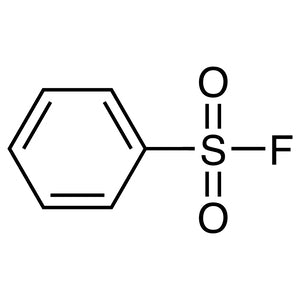
BenzenesulfonylFluoride TCI B6627
Regular price From Rp 1.353.450,00Regular priceRp 946.050,00Sale price From Rp 1.353.450,00 -
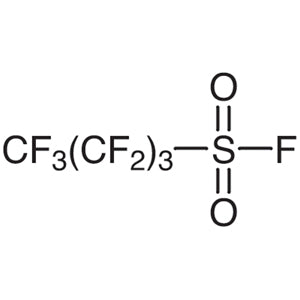
Perfluoro-1-butanesulfonylFluoride TCI P1098
Regular price From Rp 1.405.950,00Regular priceRp 982.800,00Sale price From Rp 1.405.950,00 -
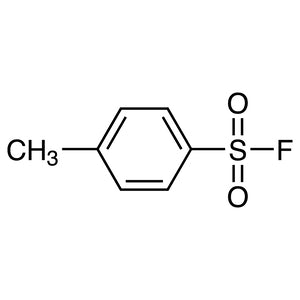
4-MethylbenzenesulfonylFluoride TCI M3518
Regular price From Rp 1.803.900,00Regular priceRp 1.261.050,00Sale price From Rp 1.803.900,00 -
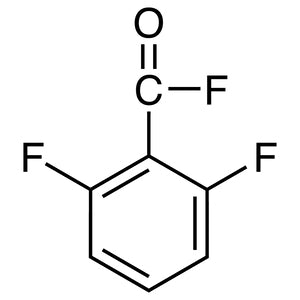
2,6-DifluorobenzoylFluoride TCI D6292
Regular price From Rp 1.272.600,00Regular priceRp 905.100,00Sale price From Rp 1.272.600,00 -
3-Chloropropane-1-sulfonylFluoride TCI C4101
Regular price Rp 8.082.900,00Regular priceRp 5.652.150,00Sale price Rp 8.082.900,00 -
4-ChlorobenzoylFluoride TCI C4032
Regular price From Rp 1.510.950,00Regular priceRp 1.072.050,00Sale price From Rp 1.510.950,00 -
4-(Trifluoromethoxy)benzoylChloride TCI T2341
Regular price From Rp 742.350,00Regular priceRp 534.450,00Sale price From Rp 742.350,00 -
3-(Trifluoromethoxy)benzoylChloride TCI T2334
Regular price From Rp 848.400,00Regular priceRp 609.000,00Sale price From Rp 848.400,00