Perfluoro-1-butanesulfonyl Fluoride (PFBuS), with the CAS number 375-72-4, is a fluorinated building block widely used in organic chemistry for the synthesis of complex molecular structures. As a highly reactive fluorinating agent, it plays a crucial role in the development of compounds with unique chemical properties, such as thermal stability and chemical resistance. This compound is commonly employed in fluorination reactions, where it serves as a key reagent for introducing fluorine atoms into organic molecules. Its versatility makes it an essential tool for researchers working on advanced chemical synthesis.
PFBuS is known for its high reactivity and molecular stability, which make it a preferred choice in various synthetic applications. Its ability to participate in substitution reactions allows chemists to create a wide range of fluorinated compounds with tailored properties. The compound’s reactivity is complemented by its structural stability, enabling it to be used in multiple reaction conditions. These characteristics make it a reliable and effective reagent for both academic and industrial research settings.
In Indonesian laboratories, PFBuS is frequently used in organic chemistry research and the synthesis of fluorinated compounds for pharmaceutical and material applications. Its availability through AMI Scientific ensures that researchers can access this critical reagent for their experiments. The compound’s importance in developing new materials and drug candidates underscores its value in the scientific community.
- Fluorinated Compound Synthesis: PFBuS is ideal for creating fluorinated organic molecules due to its high reactivity and ability to introduce fluorine atoms efficiently.
- Pharmaceutical Research: The compound is used to develop new drug candidates with enhanced stability and bioavailability through fluorination reactions.
- Material Science Applications: PFBuS is utilized in the creation of advanced materials with improved thermal and chemical resistance.
- Organic Chemistry Education: It serves as a valuable teaching tool for demonstrating fluorination reactions and molecular structure modification.
- Industrial Chemical Development: Its role in synthesizing specialized chemicals supports innovation in various industrial sectors.
| Brand | TCI |
|---|---|
| CAS number | 375-72-4 |
| Molecular formula | — |
| Purity | — |
| Category | Chemistry > Building Blocks > Fluorinated Building Blocks |
| Pack sizes | Available in various quantities as per standard laboratory requirements |
| Physical form | Liquid |
| Storage | Requires refrigeration and protection from moisture and light |
PFBuS should be stored in a cool, dark place, preferably refrigerated, to maintain its stability and reactivity. It is essential to use airtight, corrosion-resistant containers to prevent exposure to moisture and air, which can affect its chemical integrity. Due to its high reactivity, handling should be done in a well-ventilated area with appropriate personal protective equipment. The compound is incompatible with many substances, so it should be kept away from incompatible materials. Proper labeling and storage conditions are crucial to ensure safety and effectiveness in laboratory settings.
—
Produk Terkait
-
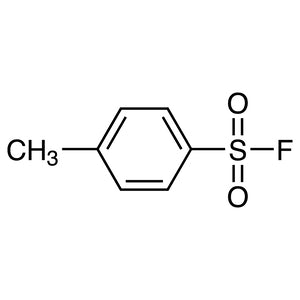
4-MethylbenzenesulfonylFluoride TCI M3518
Regular price From Rp 1.803.900,00Regular price -
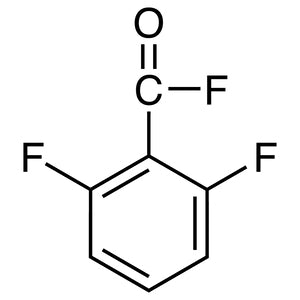
2,6-DifluorobenzoylFluoride TCI D6292
Regular price From Rp 1.220.100,00Regular price -
PotassiumNonafluoro-1-butanesulfonate TCI N0711
Regular price Rp 1.644.300,00Regular price -
Nonafluoro-1-butanesulfonicAcid TCI N0709
Regular price From Rp 823.200,00Regular price -
2,2,2-TrifluoroethylNonafluorobutanesulfonate TCI N0677
Regular price Rp 2.386.650,00Regular price -
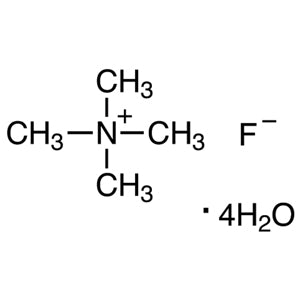
TetramethylammoniumFluorideTetrahydrate TCI T2754
Regular price From Rp 1.115.100,00Regular price -
TetraethylammoniumFluorideTetrahydrofluoride TCI T2027
Regular price Rp 4.133.850,00Regular price -
TetrabutylammoniumFluoride(70-75%inWater) TCI T1339
Regular price From Rp 769.650,00Regular price