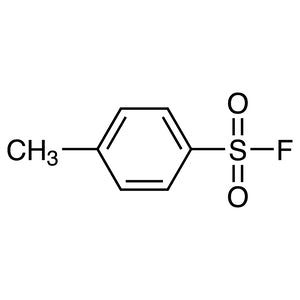
4-Methylbenzenesulfonyl Fluoride (MBSF) is a chemical compound widely used in organic synthesis. It serves as a key reagent in fluorination reactions, particularly in the formation of carbon-fluorine bonds across various organic compounds. Its reactive sulfonyl fluoride group makes it an essential building block in chemical laboratories. MBSF is commonly employed in the development of complex molecular structures, especially in pharmaceutical research and the synthesis of bioactive compounds. Due to its high reactivity and ability to interact with multiple functional groups, MBSF is a preferred choice for chemists working on advanced synthetic pathways.
The compound’s unique reactivity and versatility in forming stable carbon-fluorine bonds make it a favored reagent in synthetic chemistry. Its ability to participate in a wide range of substitution reactions allows for the creation of diverse organic molecules. The structural complexity of MBSF, combined with its reactivity, enables chemists to design and synthesize a broad spectrum of compounds. These properties make it an essential tool in both academic and industrial research settings.
In Indonesian laboratories, MBSF is extensively used in chemical and pharmaceutical research. It is a critical component in experiments involving fluorination reactions, particularly in the development of new drug compounds. Its availability and reliability make it a go-to reagent for researchers and students alike. The compound’s role in building complex molecular structures underscores its importance in both basic and applied research.
- Fluorination Reactions – MBSF is ideal for introducing fluorine atoms into organic molecules, enhancing the reactivity and stability of the resulting compounds.
- Pharmaceutical Synthesis – It is widely used in the development of bioactive compounds, supporting the creation of new drugs and therapeutic agents.
- Organic Building Blocks – Its reactive sulfonyl fluoride group makes it a valuable component in the synthesis of complex organic structures.
- Functional Group Modification – MBSF enables the substitution of various functional groups, allowing for the design of new chemical entities.
- Research and Development – It is a key reagent in academic and industrial R&D, supporting innovation in chemical and pharmaceutical fields.
| Brand | — |
|---|---|
| CAS number | — |
| Molecular formula | — |
| Purity | — |
| Category | — |
| Pack sizes | — |
| Physical form | — |
| Storage | — |
- Brand – TCI
- CAS Number – 455-16-3
- Category – Chemistry > Building Blocks > Fluorinated Building Blocks
- Pack Sizes – Available in various quantities as per standard laboratory requirements
- Physical Form – Solid
- Storage Note – Must be stored in a dry, cool, and well-ventilated area
MBSF should be stored in a dry, cool, and well-ventilated environment to prevent moisture exposure, which can degrade its reactivity. It is recommended to use airtight containers made of materials that resist chemical interaction, such as glass or high-density polyethylene. Due to its sensitivity to humidity and air, it should be handled in a controlled laboratory setting with appropriate safety measures. Always ensure proper ventilation when working with this compound to minimize exposure risks. Regular monitoring of storage conditions is essential to maintain the compound’s stability and effectiveness. Proper handling and storage are crucial to preserving its chemical integrity and ensuring safe laboratory practices.
—
Produk Terkait
-
TCI B5774 5,10-Bis(4,4,5,5-tetramethyl-1,3,2-dioxaborolan-2-yl)naphtho[1,2-c:5,6-c']bis([1,2,5]oxadiazole)
Regular price Rp 10.255.350,00Regular price -
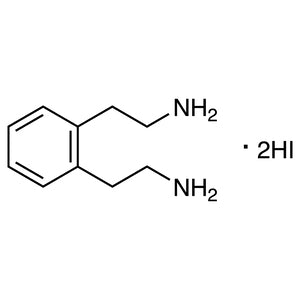
Dihydroiodide TCI B6569
Regular price From Rp 1.936.200,00Regular price -
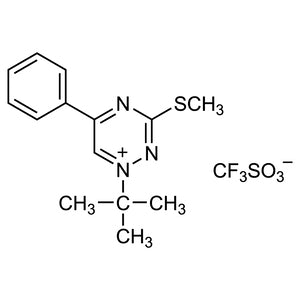
Trifluoromethanesulfonate TCI B7003
Regular price From Rp 1.936.200,00Regular price
![5,10-Bis(4,4,5,5-tetramethyl-1,3,2-dioxaborolan-2-yl)naphtho[1,2-c:5,6-c']bis([1,2,5]oxadiazole) - TCI B5774 - AMI Scientific](http://amiscientific.com/cdn/shop/files/TCI2510B5774.jpg?v=1769180228&width=533)