1,2-Benzenedisulfonyl Dichloride is a chemical compound widely used as a foundational building block in the synthesis of complex organic molecules. This compound plays a crucial role in laboratory settings, particularly in organic chemistry research, where it serves as a versatile reagent for various chemical transformations. Its unique molecular structure, featuring two sulfonyl groups attached to a benzene ring and two chlorine atoms bonded to sulfur atoms, makes it highly reactive and suitable for multiple synthetic pathways. Due to its reactivity, it is often employed in substitution reactions and bond-forming processes, contributing to the development of new compounds with specific functional groups.
The compound's reactivity stems from its molecular structure, which includes both sulfonyl and chlorinated functional groups. These groups enhance its ability to participate in a wide range of chemical reactions, including substitution, addition, and catalytic processes. The presence of chlorine atoms increases its electrophilicity, making it an ideal candidate for reactions that require high reactivity and precision. Its versatility in reacting with various substrates makes it a preferred choice for chemists working on complex molecule synthesis and functional group modification.
In Indonesian laboratories, 1,2-Benzenedisulfonyl Dichloride is commonly used in research and development projects focused on organic synthesis. Its availability through reliable suppliers like AMI Scientific ensures that researchers have access to high-quality materials necessary for their experiments. The compound's role in creating complex structures and functional groups makes it an essential component in both academic and industrial chemical research settings.
TCI brochures (PDF)
- Sulfonylation Reagents 2023-01-20 · p. 4
- Protecting Agents 2025-03-25 · p. 11
- Monomers 2025-05-28 · p. 38
Related TCI products
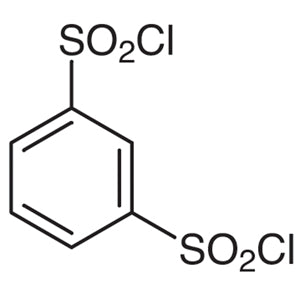
- TCI B0848 585-47-7 1,3-Benzenedisulfonyl Chloride
- TCI M1186 68985-08-0 2,4-Mesitylenedisulfonyl Dichloride
- TCI B4917 3701-01-7 1,3-Benzenedisulfonamide
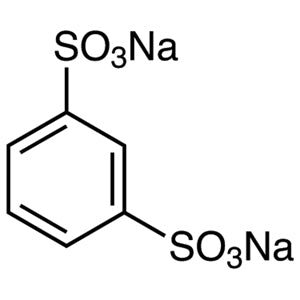
- TCI B0023 831-59-4 Disodium 1,3-Benzenedisulfonate
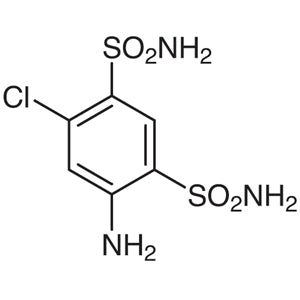
- TCI A1362 121-30-2 4-Amino-6-chloro-1,3-benzenedisulfonamide
- TCI M1669 5799-68-8 Methanedisulfonyl Dichloride
- Organic synthesis applications benefit from this compound's reactivity and versatility in forming complex molecular structures.
- It is ideal for substitution reactions due to its electrophilic nature and ability to interact with various nucleophiles.
- The compound supports the development of heterocyclic compounds, making it valuable in pharmaceutical and material science research.
- It is frequently used in catalytic processes where precise control over reaction conditions is essential.
- Its functional groups make it suitable for modifying existing molecules to introduce new chemical functionalities.
| Brand | TCI |
|---|---|
| CAS number | 6461-76-3 |
| Molecular formula | — |
| Purity | — |
| Category | Chemistry > Building Blocks > Non-Heterocyclic Building Blocks |
| Pack sizes | Available in various quantities as per supplier specifications |
| Physical form | Solid |
| Storage | Store in a cool, dry place away from moisture and direct sunlight |
This compound should be stored in a cool, dry environment to maintain its chemical integrity and prevent degradation. It is recommended to use airtight containers to protect it from moisture and air exposure, which can affect its reactivity. Due to its high reactivity, it should be handled in a well-ventilated area, preferably under a fume hood, to minimize exposure to vapors. Personal protective equipment, including gloves, goggles, and a lab coat, should be worn when handling this material. Avoid contact with skin and eyes, and ensure proper disposal procedures are followed to comply with safety regulations. Its storage and handling requirements make it suitable for use in controlled laboratory environments where safety protocols are strictly followed.
—
Produk Terkait
-
1,3-BenzenedisulfonylChloride TCI B0848
Regular price From Rp 1.565.550,00Regular priceRp 1.094.100,00Sale price From Rp 1.565.550,00 -
2,4-MesitylenedisulfonylDichloride TCI M1186
Regular price From Rp 3.312.750,00Regular priceRp 2.316.300,00Sale price From Rp 3.312.750,00 -
1,3-Benzenedisulfonamide TCI B4917
Regular price From Rp 2.332.050,00Regular priceRp 1.646.400,00Sale price From Rp 2.332.050,00 -
Disodium1,3-Benzenedisulfonate TCI B0023
Regular price From Rp 505.050,00Regular priceRp 352.800,00Sale price From Rp 505.050,00 -
4-Amino-6-chloro-1,3-benzenedisulfonamide TCI A1362
Regular price Rp 848.400,00Regular priceRp 609.000,00Sale price Rp 848.400,00 -
MethanedisulfonylDichloride TCI M1669
Regular price From Rp 6.704.250,00Regular priceRp 4.688.250,00Sale price From Rp 6.704.250,00 -
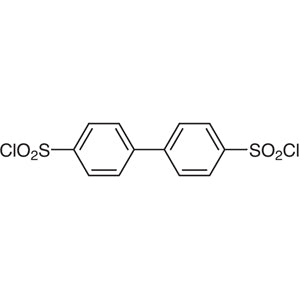
4,4'-BiphenyldisulfonylChloride TCI B1165
Regular price From Rp 1.220.100,00Regular priceRp 852.600,00Sale price From Rp 1.220.100,00 -
Disodium1-Naphthol-3,6-disulfonateHydrate TCI V0037
Regular price Rp 584.850,00Regular priceRp 408.450,00Sale price Rp 584.850,00