Disodium 1,3-Benzenedisulfonate is a chemical compound widely used in laboratory settings as a foundational building block in various chemical reactions. It serves as a key reagent in the synthesis of organic compounds, particularly in the development of complex molecular structures. This compound is valued for its stability and controlled reactivity, making it a reliable choice for chemists working on diverse synthetic pathways. Its molecular structure features two sulfonate groups attached to a benzene ring, which allows it to participate in multiple reaction types, including substitution and condensation reactions.
The compound's chemical properties make it a preferred choice in laboratory environments. It is water-soluble and can interact with a variety of reagents, enabling its use in a wide range of experimental setups. Its stability under standard laboratory conditions ensures ease of handling and storage, reducing the risk of degradation during experiments. Additionally, it does not contain harmful or toxic components, enhancing its safety profile for routine use. These characteristics contribute to its popularity among researchers and chemists in both academic and industrial settings.
In Indonesian laboratories, Disodium 1,3-Benzenedisulfonate is commonly used in chemical research and development. It plays a significant role in pharmaceutical synthesis experiments, where it helps in the creation of various drug compounds. Its versatility and reliability make it an essential component in both basic and applied chemical studies, supporting advancements in scientific research across multiple disciplines.
Related TCI products
- TCI B4917 3701-01-7 1,3-Benzenedisulfonamide
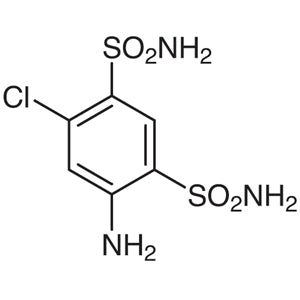
- TCI A1362 121-30-2 4-Amino-6-chloro-1,3-benzenedisulfonamide
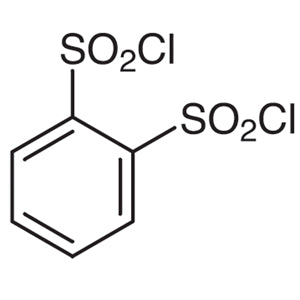
- TCI B1128 6461-76-3 1,2-Benzenedisulfonyl Dichloride
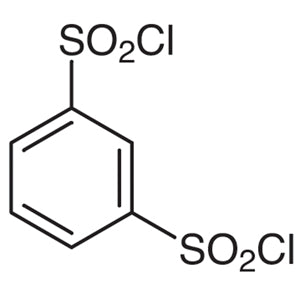
- TCI B0848 585-47-7 1,3-Benzenedisulfonyl Chloride
- TCI A0308 853-68-9 Disodium Anthraquinone-2,6-disulfonate
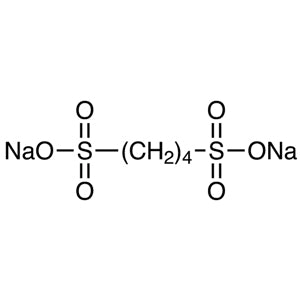
- TCI B0676 36589-61-4 Disodium 1,4-Butanedisulfonate
- Pharmaceutical synthesis where it acts as a key intermediate in the creation of complex drug molecules.
- Organic chemistry experiments requiring sulfonate-based building blocks for structural modifications.
- Analytical chemistry applications for standardization and calibration of chemical reagents.
- Polymer science research for the development of functionalized materials and coatings.
- Environmental chemistry studies to assess the behavior of sulfonate compounds in aqueous systems.
| Brand | TCI |
|---|---|
| CAS number | 831-59-4 |
| Molecular formula | — |
| Purity | — |
| Category | Chemistry > Building Blocks > Non-Heterocyclic Building Blocks |
| Pack sizes | Available in various quantities as per supplier specifications |
| Physical form | Solid powder |
| Storage | Store in a cool, dry place away from direct sunlight |
Disodium 1,3-Benzenedisulfonate should be stored in a cool, dry place, away from direct sunlight and moisture. It is recommended to keep the compound in a sealed container to prevent exposure to air and humidity, which could affect its stability. While it is not classified as hazardous, standard laboratory safety practices should be followed, such as wearing protective gloves and goggles when handling. The compound is water-soluble, so it should be stored in a location that minimizes the risk of spills or contamination. Proper labeling of containers is essential to ensure safe handling and prevent accidental use. These precautions help maintain the integrity of the compound and ensure safe laboratory operations.
—
Produk Terkait
-
1,3-Benzenedisulfonamide TCI B4917
Regular price From Rp 2.332.050,00Regular priceRp 1.646.400,00Sale price From Rp 2.332.050,00 -
4-Amino-6-chloro-1,3-benzenedisulfonamide TCI A1362
Regular price Rp 848.400,00Regular priceRp 609.000,00Sale price Rp 848.400,00 -
1,2-BenzenedisulfonylDichloride TCI B1128
Regular price From Rp 2.889.600,00Regular priceRp 2.020.200,00Sale price From Rp 2.889.600,00 -
1,3-BenzenedisulfonylChloride TCI B0848
Regular price From Rp 1.565.550,00Regular priceRp 1.094.100,00Sale price From Rp 1.565.550,00 -
DisodiumAnthraquinone-2,6-disulfonate TCI A0308
Regular price From Rp 5.300.400,00Regular priceRp 3.722.250,00Sale price From Rp 5.300.400,00 -
Disodium1,4-Butanedisulfonate TCI B0676
Regular price Rp 4.691.400,00Regular priceRp 3.280.200,00Sale price Rp 4.691.400,00