Disodium Anthraquinone-2,6-disulfonate is a chemical compound widely used in laboratory settings for its versatility in chemical reactions and molecular synthesis. This compound serves as a key building block in organic chemistry, particularly in substitution reactions involving sulfonate groups. Its stable structure and controlled reactivity make it a reliable component in various synthetic processes. It is commonly utilized in research focused on the development of colored compounds, food additives, and pharmaceuticals. Due to its unique chemical properties, it plays a crucial role in both academic and industrial research environments.
The compound’s chemical specificity allows it to interact effectively with a variety of functional groups through substitution reactions. This characteristic makes it highly desirable for the synthesis of both heterocyclic and non-heterocyclic compounds. Its thermal stability and solubility in organic solvents further enhance its usability in diverse laboratory conditions. These properties ensure that it remains a preferred choice for chemists working on complex molecular structures and functional group modifications.
In Indonesian laboratories, Disodium Anthraquinone-2,6-disulfonate is frequently used in pure and applied chemistry research. Educational and research institutions rely on this compound to expand their understanding of molecular structure and reactivity. It is also commonly found in projects involving the synthesis of compounds with specific applications, such as dyes and pharmaceutical intermediates. Its consistent performance and reliability make it a staple in both academic and industrial chemical research.
TCI brochures (PDF)
- Battery Research Reagents 2026-09-18 · p. 7
Related TCI products
- TCI A0506 853-35-0 Anthraquinone-1,5-disulfonic Acid Disodium Salt
- TCI A0505 14938-42-2 Dipotassium Anthraquinone-1,8-disulfonate
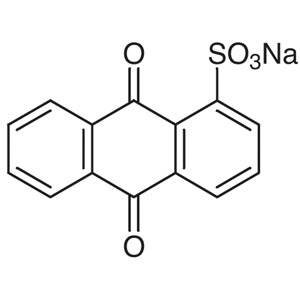
- TCI A1428 128-56-3 Sodium Anthraquinone-1-sulfonate
- TCI V0139 13388-33-5 2-Vinylanthraquinone
- TCI V0037 330581-20-9 Disodium 1-Naphthol-3,6-disulfonate Hydrate
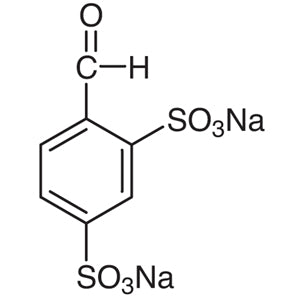
- TCI B0008 33513-44-9 Disodium 4-Formylbenzene-1,3-disulfonate
- Used in synthetic chemistry for the preparation of organic compounds due to its reactivity and stability.
- Applied in pharmaceutical research for the development of drug intermediates and colorants.
- Utilized in food chemistry for the synthesis of food additives and coloring agents.
- Employed in analytical chemistry for the detection and quantification of sulfonate groups.
- Integrated into dye chemistry for the production of synthetic dyes and pigments.
| Brand | TCI |
|---|---|
| CAS number | 853-68-9 |
| Molecular formula | — |
| Purity | — |
| Category | Chemistry > Building Blocks > Non-Heterocyclic Building Blocks |
| Pack sizes | Available in various quantities as per standard laboratory supply |
| Physical form | Solid powder |
| Storage | Store in a cool, dry place away from moisture and direct sunlight |
Disodium Anthraquinone-2,6-disulfonate should be stored in a cool, dry environment to maintain its chemical integrity. It is recommended to keep the compound in a sealed container to prevent exposure to moisture and air. Avoid direct sunlight and high humidity to ensure long-term stability. When handling, use appropriate personal protective equipment such as gloves and safety goggles. Ensure proper ventilation in the workspace to minimize inhalation of airborne particles. This compound is generally non-hazardous under normal laboratory conditions but should be treated with care to prevent accidental spills or contamination. Always follow standard laboratory safety protocols when working with chemical substances.
—
Product Categories
Produk Terkait
-
Anthraquinone-1,5-disulfonicAcidDisodiumSalt TCI A0506
Regular price Rp 2.359.350,00Regular priceRp 1.665.300,00Sale price Rp 2.359.350,00 -
DipotassiumAnthraquinone-1,8-disulfonate TCI A0505
Regular price Rp 1.696.800,00Regular priceRp 1.202.250,00Sale price Rp 1.696.800,00 -
SodiumAnthraquinone-1-sulfonate TCI A1428
Regular price From Rp 1.192.800,00Regular priceRp 849.450,00Sale price From Rp 1.192.800,00 -
2-Vinylanthraquinone TCI V0139
Regular price From Rp 2.384.550,00Regular priceRp 1.683.150,00Sale price From Rp 2.384.550,00 -
Disodium1-Naphthol-3,6-disulfonateHydrate TCI V0037
Regular price Rp 584.850,00Regular priceRp 408.450,00Sale price Rp 584.850,00 -
Disodium4-Formylbenzene-1,3-disulfonate TCI B0008
Regular price Rp 1.431.150,00Regular priceRp 1.000.650,00Sale price Rp 1.431.150,00 -
Disodium1-Nitroso-2-naphthol-3,6-disulfonateMonohydrate TCI N0268
Regular price From Rp 1.035.300,00Regular priceRp 723.450,00Sale price From Rp 1.035.300,00 -
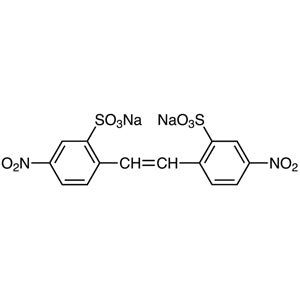
Disodium4,4'-Dinitrostilbene-2,2'-disulfonate TCI D0853
Regular price From Rp 3.472.350,00Regular priceRp 2.427.600,00Sale price From Rp 3.472.350,00