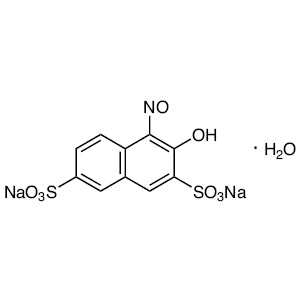
Disodium 1-Nitroso-2-naphthol-3,6-disulfonate Monohydrate is a chemical compound widely used in laboratory settings for its versatile reactivity and structural complexity. This compound contains functional groups such as nitroso, sulfonate, and hydroxyl, which make it suitable for a variety of chemical reactions and organic synthesis processes. Its role in the laboratory is primarily as a building block for the development of more complex molecules, particularly in research areas requiring precise chemical transformations. Due to its reactivity and stability under controlled conditions, it is a valuable tool for chemists working in both academic and industrial environments.
The compound’s unique chemical properties, including its ability to participate in substitution, oxidation, and other functional group transformations, make it a preferred choice for synthetic chemists. Its molecular structure allows for multiple reaction pathways, enabling researchers to tailor the synthesis of target compounds with high efficiency. Additionally, the monohydrate form contributes to its solubility and reactivity in aqueous solutions, making it suitable for a wide range of experimental setups. These characteristics ensure that it remains a reliable and effective reagent in both basic and advanced chemical studies.
In Indonesian laboratories, this compound is commonly used in scientific research and industrial applications, particularly in fields such as pharmaceutical development, material science, and environmental chemistry. Its availability through reliable suppliers like AMI Scientific ensures that researchers have access to high-quality reagents necessary for conducting accurate and reproducible experiments. The compound’s role in supporting scientific innovation is significant, especially in regions where access to specialized chemicals is crucial for advancing research and development efforts.
Related TCI products
- TCI V0037 330581-20-9 Disodium 1-Naphthol-3,6-disulfonate Hydrate
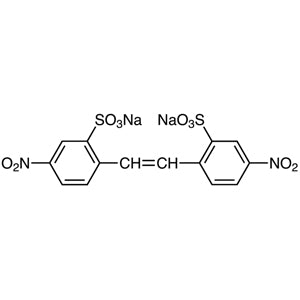
- TCI D0853 3709-43-1 Disodium 4,4'-Dinitrostilbene-2,2'-disulfonate
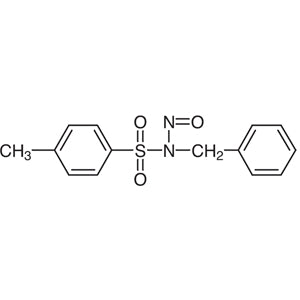
- TCI B3051 33528-13-1 N-Benzyl-N-nitroso-p-toluenesulfonamide
- TCI N0672 605-62-9 4-Nitro-1-naphthol
- TCI N0370 550-60-7 1-Nitro-2-naphthol
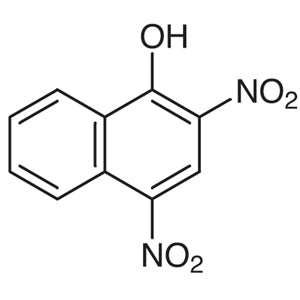
- TCI D0839 605-69-6 2,4-Dinitro-1-naphthol
- Organic synthesis reactions benefit from this compound due to its reactive functional groups, enabling the creation of complex molecules with high specificity.
- Pharmaceutical research utilizes it as a building block for the development of new drugs, leveraging its structural versatility and chemical reactivity.
- Environmental studies incorporate it to analyze and synthesize compounds that mimic pollutants or are used in remediation processes.
- Material science applications rely on its chemical properties to create novel materials with specific functional characteristics.
- Analytical chemistry uses it as a reference standard for testing and validating chemical detection methods in various sample matrices.
| Brand | TCI |
|---|---|
| CAS number | 525-05-3 |
| Molecular formula | — |
| Purity | — |
| Category | Chemistry > Building Blocks > Non-Heterocyclic Building Blocks |
| Pack sizes | Available in various quantities as per supplier specifications |
| Physical form | Solid, monohydrate |
| Storage | Store in a cool, dry place away from direct sunlight and moisture |
This compound should be stored in a cool, dry environment to maintain its chemical integrity and prevent degradation. It is recommended to use airtight containers to minimize exposure to moisture and air, which can affect its stability. Due to its chemical reactivity, it should be handled with appropriate personal protective equipment, including gloves and safety goggles. In laboratory settings, it should be stored separately from incompatible substances to avoid potential chemical interactions. Regular monitoring of storage conditions ensures that the compound remains suitable for use in experiments requiring high precision and reliability. Proper handling and storage practices are essential to maintain the compound’s effectiveness and safety in laboratory applications.
—
Product Categories
Produk Terkait
-
Disodium1-Naphthol-3,6-disulfonateHydrate TCI V0037
Regular price Rp 584.850,00Regular price -
Disodium4,4'-Dinitrostilbene-2,2'-disulfonate TCI D0853
Regular price From Rp 3.472.350,00Regular price -
N-Benzyl-N-nitroso-p-toluenesulfonamide TCI B3051
Regular price From Rp 3.843.000,00Regular price -
4-Nitro-1-naphthol TCI N0672
Regular price From Rp 3.870.300,00Regular price -
1-Nitro-2-naphthol TCI N0370
Regular price Rp 4.479.300,00Regular price -
2,4-Dinitro-1-naphthol TCI D0839
Regular price Rp 4.188.450,00Regular price -
DisodiumAnthraquinone-2,6-disulfonate TCI A0308
Regular price From Rp 5.247.900,00Regular price -
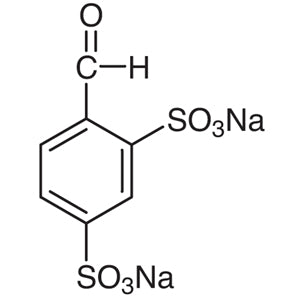
Disodium4-Formylbenzene-1,3-disulfonate TCI B0008
Regular price Rp 1.431.150,00Regular price