1-Nitro-2-naphthol is a chemical compound widely used in laboratory settings for the synthesis of complex molecules. As a key building block in organic chemistry, it plays a vital role in various synthetic reactions, particularly in the development of aromatic and heterocyclic compounds. This compound is commonly found in chemical laboratories as a foundational material for creating a wide range of chemical substances. Its structural stability and predictable reactivity make it a reliable choice for researchers aiming to achieve precise chemical outcomes.
The compound's unique chemical properties, including its solubility in organic solvents like ethyl acetate and ethanol, contribute to its popularity in synthetic applications. The presence of both nitro and hydroxyl functional groups enhances its reactivity, enabling it to participate in substitution and reduction reactions. These characteristics allow it to be used in processes requiring high reactivity and controlled chemical transformations. Its versatility makes it a valuable resource for chemists working on diverse synthetic projects.
In Indonesian laboratories, 1-Nitro-2-naphthol is extensively used in chemical research, especially in the synthesis of aromatic compounds and the development of new chemical materials. Its relevance extends to organic chemistry research, where it supports the creation of complex molecular structures. Researchers in Indonesia rely on this compound for its effectiveness in achieving desired chemical outcomes in various experimental contexts.
Related TCI products
- TCI N0672 605-62-9 4-Nitro-1-naphthol
- TCI N0268 525-05-3 Disodium 1-Nitroso-2-naphthol-3,6-disulfonate Monohydrate
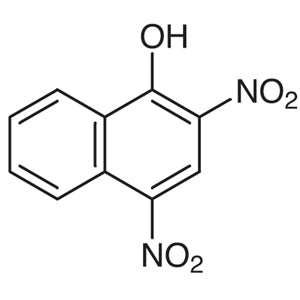
- TCI D0839 605-69-6 2,4-Dinitro-1-naphthol
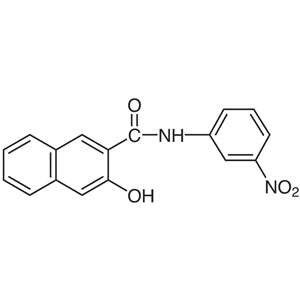
- TCI H0314 135-65-9 3-Hydroxy-3'-nitro-2-naphthanilide
- TCI V0037 330581-20-9 Disodium 1-Naphthol-3,6-disulfonate Hydrate
- TCI T2816 529-35-1 5,6,7,8-Tetrahydro-1-naphthol
- Aromatic Compound Synthesis: 1-Nitro-2-naphthol is ideal for synthesizing aromatic compounds due to its reactive functional groups and structural stability.
- Organic Chemistry Research: Its predictable reactivity and solubility make it a preferred choice for complex organic reactions in laboratory settings.
- Chemical Material Development: The compound's versatility supports the creation of new chemical materials through controlled synthetic processes.
- Substitution and Reduction Reactions: The presence of nitro and hydroxyl groups enables it to participate in substitution and reduction reactions efficiently.
- Precise Chemical Transformations: Its controlled reactivity allows for accurate chemical transformations required in advanced synthetic applications.
| Brand | TCI |
|---|---|
| CAS number | 550-60-7 |
| Molecular formula | — |
| Purity | — |
| Category | Chemistry > Building Blocks > Non-Heterocyclic Building Blocks |
| Pack sizes | — |
| Physical form | — |
| Storage | Store in a cool, dry place away from light and incompatible materials |
1-Nitro-2-naphthol should be stored in a cool, dry environment, away from direct sunlight and sources of heat. It is recommended to keep the compound in a sealed container to prevent moisture absorption and contamination. Due to its chemical reactivity, it should be stored separately from strong oxidizers and reducing agents to avoid unwanted reactions. Proper labeling of storage containers is essential for safety and traceability. In laboratory settings, it is important to handle the compound with appropriate personal protective equipment, such as gloves and safety goggles, to minimize exposure. Regular inspection of storage conditions ensures the compound remains stable and safe for use in chemical experiments.
—
Produk Terkait
-
4-Nitro-1-naphthol TCI N0672
Regular price From Rp 3.870.300,00Regular price -
Disodium1-Nitroso-2-naphthol-3,6-disulfonateMonohydrate TCI N0268
Regular price From Rp 1.035.300,00Regular price -
2,4-Dinitro-1-naphthol TCI D0839
Regular price Rp 4.188.450,00Regular price -
3-Hydroxy-3'-nitro-2-naphthanilide TCI H0314
Regular price Rp 477.750,00Regular price -
Disodium1-Naphthol-3,6-disulfonateHydrate TCI V0037
Regular price Rp 584.850,00Regular price -
5,6,7,8-Tetrahydro-1-naphthol TCI T2816
Regular price From Rp 1.353.450,00Regular price -
7-Bromo-2-naphthol TCI B4580
Regular price From Rp 769.650,00Regular price -
3-Bromo-2-naphthol TCI B3127
Regular price From Rp 2.650.200,00Regular price