3-Benzyloxazolidine is a chemical compound widely used as a building block in the synthesis of heterocyclic compounds. It plays a crucial role in organic chemistry and pharmaceutical research, where its unique molecular structure enables the formation of complex molecules with specific functional properties. This compound is particularly valued for its ability to participate in various chemical reactions, making it an essential tool for researchers aiming to develop new drugs or materials. Its stability and controlled reactivity allow for precise manipulation in laboratory settings, supporting the creation of compounds with tailored characteristics.
The compound's key properties include its stable molecular structure and controlled reactivity, which make it a preferred choice in synthetic chemistry. Its ability to undergo ring-opening and substitution reactions is especially important in the synthesis of complex organic molecules. Additionally, its compatibility with a wide range of functional groups allows for the design of diverse chemical structures. These features make it a versatile reagent in both academic and industrial research environments, where the need for reliable and predictable chemical behavior is paramount.
In Indonesian laboratories, 3-Benzyloxazolidine is commonly used in organic chemistry research, particularly in academic institutions and research centers. It is integral to the development of new compounds for pharmaceutical and industrial applications. Its role in creating molecules with specific pharmacological or chemical properties makes it a valuable resource for scientists working on drug discovery and material synthesis.
Related TCI products
- TCI O0608 2346-26-1 Oxazolidine-2,4-dione
- TCI H1923 3356-88-5 3-(2-Hydroxyethyl)oxazolidin-2-one
- TCI I0966 39657-45-9 Isoxazolidine Hydrochloride
- TCI B4127 143527-70-2 (4S,5R)-3-(tert-Butoxycarbonyl)-2,2-dimethyl-4-phenyl-1,3-oxazolidine-5-carboxylic Acid
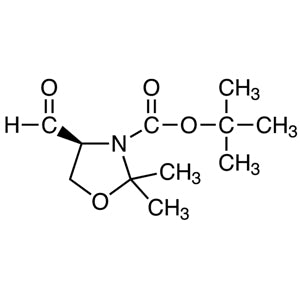
- TCI B1759 102308-32-7 (S)-(-)-3-(tert-Butoxycarbonyl)-4-formyl-2,2-dimethyl-1,3-oxazolidine
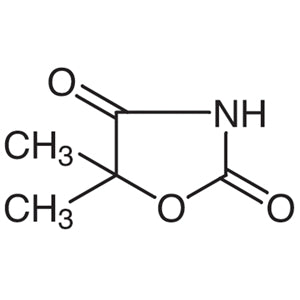
- TCI D0003 695-53-4 5,5-Dimethyl-2,4-oxazolidinedione
- Organic synthesis: 3-Benzyloxazolidine is ideal for constructing complex molecular frameworks due to its ring-opening and substitution capabilities.
- Pharmaceutical research: The compound is used to develop new drugs by enabling the synthesis of heterocyclic compounds with specific biological activities.
- Material science: It supports the creation of advanced materials by allowing the formation of functionalized molecules with unique properties.
- Academic research: Widely utilized in universities and research institutes for teaching and experimental studies in synthetic chemistry.
- Industrial applications: Its versatility makes it suitable for large-scale chemical production in the pharmaceutical and chemical industries.
| Brand | TCI |
|---|---|
| CAS number | 13657-16-4 |
| Molecular formula | — |
| Purity | — |
| Category | Chemistry > Building Blocks > Heterocyclic Building Blocks |
| Pack sizes | Available in standard laboratory quantities |
| Physical form | Solid |
| Storage | Store in a cool, dry place away from moisture and light |
3-Benzyloxazolidine should be stored in a cool, dry place, away from moisture and direct light to maintain its chemical stability. It is recommended to use airtight containers to prevent exposure to air and humidity. Due to its reactivity, it should be handled in a well-ventilated area, and appropriate personal protective equipment should be worn when working with the compound. Avoid contact with incompatible substances, and ensure proper disposal procedures are followed to comply with safety regulations. Regular monitoring of storage conditions is advised to ensure the compound remains in optimal condition for use in laboratory applications.
—
Produk Terkait
-
Oxazolidine-2,4-dione TCI O0608
Regular price Rp 2.835.000,00Regular priceRp 1.998.150,00Sale price Rp 2.835.000,00 -
3-(2-Hydroxyethyl)oxazolidin-2-one TCI H1923
Regular price From Rp 2.121.000,00Regular priceRp 1.498.350,00Sale price From Rp 2.121.000,00 -
IsoxazolidineHydrochloride TCI I0966
Regular price From Rp 4.929.750,00Regular priceRp 3.462.900,00Sale price From Rp 4.929.750,00 -
(4S,5R)-3-(tert-Butoxycarbonyl)-2,2-dimethyl-4-phenyl-1,3-oxazolidine-5-carboxylicAcid TCI B4127
Regular price Rp 2.147.250,00Regular priceRp 1.517.250,00Sale price Rp 2.147.250,00 -
(S)-(-)-3-(tert-Butoxycarbonyl)-4-formyl-2,2-dimethyl-1,3-oxazolidine TCI B1759
Regular price From Rp 4.373.250,00Regular priceRp 3.073.350,00Sale price From Rp 4.373.250,00 -
5,5-Dimethyl-2,4-oxazolidinedione TCI D0003
Regular price From Rp 1.563.450,00Regular priceRp 1.108.800,00Sale price From Rp 1.563.450,00 -
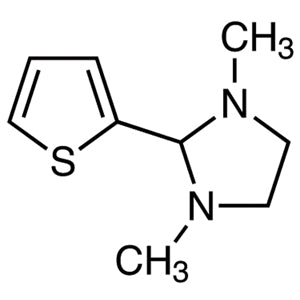
1,3-Dimethyl-2-(2-thienyl)imidazolidine TCI D2289
Regular price Rp 2.411.850,00Regular priceRp 1.702.050,00Sale price Rp 2.411.850,00 -
2,4,5-Trimethyloxazole TCI T2595
Regular price Rp 1.113.000,00Regular priceRp 793.800,00Sale price Rp 1.113.000,00