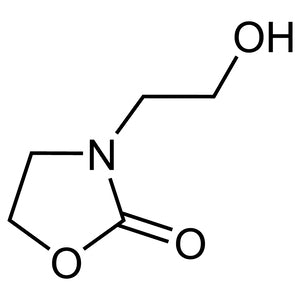
3-(2-Hydroxyethyl)oxazolidin-2-one is a chemical compound widely used as a building block in the synthesis of heterocyclic compounds. Its complex molecular structure makes it a versatile reagent in various chemical reactions, particularly in the formation of cyclic structures. In the laboratory, this compound plays a crucial role in the development of new materials, pharmaceuticals, and biochemical compounds. Due to its reactivity and stability, it is a key component in synthetic pathways that require precise control over molecular architecture.
This compound is preferred for its unique chemical properties, especially its reactivity at the carboxylate and nitrogen groups. These characteristics allow it to participate in a range of reactions, including coupling, substitution, and cyclization. Its ability to form stable intermediates and undergo functional group transformations makes it an essential tool in synthetic chemistry. The compound's versatility in reacting with a variety of molecules makes it highly sought after in scientific research across multiple disciplines.
In Indonesian laboratories, 3-(2-Hydroxyethyl)oxazolidin-2-one is commonly used in organic chemistry and pharmacology research. It is a fundamental reagent in the development of new drugs and advanced materials. Its application in academic and industrial research settings highlights its importance in modern chemical synthesis. The compound's reliability and effectiveness make it a preferred choice for researchers in Indonesia.
Related TCI products
- TCI T1535 43112-38-5 3-Trimethylsilyl-2-oxazolidinone [Trimethylsilylating Reagent]
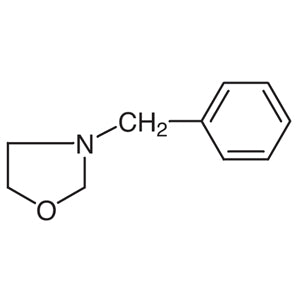
- TCI B1339 13657-16-4 3-Benzyloxazolidine
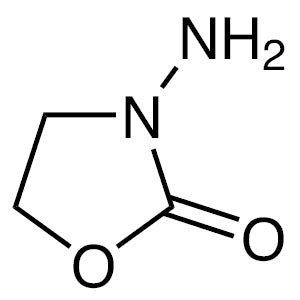
- TCI A3404 80-65-9 3-Aminooxazolidin-2-one
- TCI O0608 2346-26-1 Oxazolidine-2,4-dione
- TCI I0966 39657-45-9 Isoxazolidine Hydrochloride
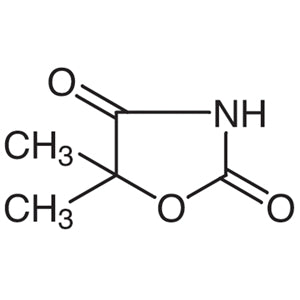
- TCI D0003 695-53-4 5,5-Dimethyl-2,4-oxazolidinedione
- Organic synthesis: This compound is ideal for creating complex organic molecules due to its reactivity and ability to form cyclic structures.
- Pharmaceutical research: It is widely used in drug development for its role in synthesizing heterocyclic compounds with therapeutic potential.
- Biochemical studies: Its structural versatility makes it suitable for studying molecular interactions and biological activity.
- Material science: The compound is used in the creation of advanced polymers and functional materials due to its chemical stability.
- Analytical chemistry: It serves as a standard reagent for testing and characterizing other chemical compounds in laboratory settings.
| Brand | TCI |
|---|---|
| CAS number | 3356-88-5 |
| Molecular formula | — |
| Purity | — |
| Category | Chemistry > Building Blocks > Heterocyclic Building Blocks |
| Pack sizes | Available in various quantities as per supplier specifications |
| Physical form | Solid or liquid, depending on the specific product variant |
| Storage | Store in a cool, dry place away from direct sunlight and moisture |
This compound should be stored in a cool, dry environment, away from direct sunlight and moisture to maintain its chemical integrity. It is recommended to use sealed containers to prevent exposure to air and humidity. Proper ventilation should be ensured in the laboratory to minimize inhalation risks. Handling should be done with appropriate personal protective equipment, such as gloves and safety goggles, to ensure safety. The compound is generally stable under normal storage conditions but should be kept away from incompatible substances like strong oxidizers. Regular monitoring of storage conditions is advised to ensure the compound remains in optimal condition for use.
—
Produk Terkait
-
3-Trimethylsilyl-2-oxazolidinone[TrimethylsilylatingReagent] TCI T1535
Regular price Rp 2.571.450,00Regular price -
3-Benzyloxazolidine TCI B1339
Regular price From Rp 1.431.150,00Regular price -
3-Aminooxazolidin-2-one TCI A3404
Regular price Rp 5.274.150,00Regular price -
Oxazolidine-2,4-dione TCI O0608
Regular price Rp 2.782.500,00Regular price -
IsoxazolidineHydrochloride TCI I0966
Regular price From Rp 4.877.250,00Regular price -
5,5-Dimethyl-2,4-oxazolidinedione TCI D0003
Regular price From Rp 1.510.950,00Regular price -
1,4-Bis(2-hydroxyethyl)piperazine TCI B4903
Regular price From Rp 848.400,00Regular price -
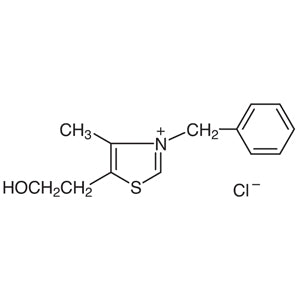
3-Benzyl-5-(2-hydroxyethyl)-4-methylthiazoliumChloride TCI B1224
Regular price Rp 2.227.050,00Regular price
![43112-38-5 3-Trimethylsilyl-2-oxazolidinone [Trimethylsilylating Reagent] - AMI Scientific](http://amiscientific.com/cdn/shop/files/TCI2510T1535.jpg?v=1767141788&width=533)