1,4-Bis(2-hydroxyethyl)piperazine is a versatile chemical compound widely used in laboratory settings for the synthesis of heterocyclic compounds and complex molecules. As a key building block in organic chemistry, it provides a fundamental structure that can be modified through various chemical reactions to produce compounds with specific functional groups. This compound plays a crucial role in the development of new materials, pharmaceuticals, and industrial chemicals by enabling the construction of intricate molecular architectures. Its presence in chemical reactions allows researchers to explore diverse synthetic pathways and functional transformations.
The compound's chemical properties, including its stability and reactivity, make it a preferred choice for organic synthesis. Its piperazine ring, which is partially hydrolyzed, offers flexibility in chemical reactions, allowing for the formation of a wide range of derivatives. The ability to interact with various reagents enhances its utility in both academic and industrial research. Its non-toxic nature and availability further contribute to its popularity in laboratory environments, ensuring safe and efficient use in chemical processes.
In Indonesian laboratories, 1,4-Bis(2-hydroxyethyl)piperazine is commonly used in organic chemistry research, material science, and pharmaceutical development. It supports the synthesis of new compounds and the study of molecular structures, making it an essential reagent for scientists working on advanced chemical projects. Its role in creating complex molecules underscores its importance in both academic and industrial applications within the region.
Related TCI products
- TCI P0812 103-76-4 1-(2-Hydroxyethyl)piperazine
- TCI B6368 77279-24-4 tert-Butyl 4-(2-Hydroxyethyl)piperazine-1-carboxylate
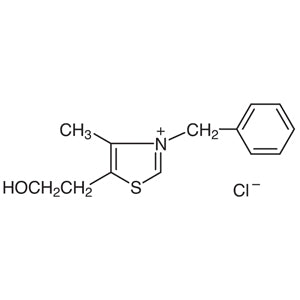
- TCI B1224 4568-71-2 3-Benzyl-5-(2-hydroxyethyl)-4-methylthiazolium Chloride
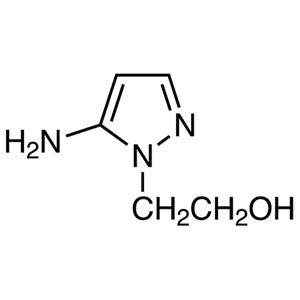
- TCI A2619 73616-27-0 5-Amino-1-(2-hydroxyethyl)pyrazole
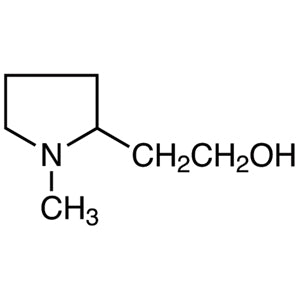
- TCI M0908 67004-64-2 2-(2-Hydroxyethyl)-1-methylpyrrolidine
- TCI H1923 3356-88-5 3-(2-Hydroxyethyl)oxazolidin-2-one
- Organic synthesis applications benefit from this compound's ability to form complex molecular structures through substitution and modification reactions.
- Pharmaceutical research utilizes it as a building block for the development of new drug compounds and therapeutic agents.
- Material science experiments rely on its reactivity to create novel polymers and functional materials with specific properties.
- Industrial chemical production uses it as a versatile intermediate in the synthesis of various chemical products.
- Research in heterocyclic chemistry leverages its structural flexibility to explore new synthetic pathways and molecular designs.
| Brand | TCI |
|---|---|
| CAS number | 122-96-3 |
| Molecular formula | — |
| Purity | — |
| Category | Chemistry > Building Blocks > Heterocyclic Building Blocks |
| Pack sizes | Available in various quantities as per supplier specifications |
| Physical form | Liquid |
| Storage | Store in a cool, dry place away from direct sunlight |
This compound should be stored in a cool, dry environment, away from direct sunlight and sources of heat. It is recommended to use airtight containers to prevent moisture absorption and contamination. Due to its chemical nature, it should be handled in a well-ventilated area to minimize exposure. Proper personal protective equipment, such as gloves and safety goggles, should be worn when handling the material. It is important to keep the compound away from incompatible substances to ensure safe storage and usage in the laboratory.
—
Produk Terkait
-
1-(2-Hydroxyethyl)piperazine TCI P0812
Regular price From Rp 610.050,00Regular priceRp 442.050,00Sale price From Rp 610.050,00 -
tert-Butyl4-(2-Hydroxyethyl)piperazine-1-carboxylate TCI B6368
Regular price From Rp 1.298.850,00Regular priceRp 924.000,00Sale price From Rp 1.298.850,00 -
3-Benzyl-5-(2-hydroxyethyl)-4-methylthiazoliumChloride TCI B1224
Regular price Rp 2.279.550,00Regular priceRp 1.609.650,00Sale price Rp 2.279.550,00 -
5-Amino-1-(2-hydroxyethyl)pyrazole TCI A2619
Regular price From Rp 1.405.950,00Regular priceRp 998.550,00Sale price From Rp 1.405.950,00 -
2-(2-Hydroxyethyl)-1-methylpyrrolidine TCI M0908
Regular price From Rp 3.207.750,00Regular priceRp 2.258.550,00Sale price From Rp 3.207.750,00 -
3-(2-Hydroxyethyl)oxazolidin-2-one TCI H1923
Regular price From Rp 2.121.000,00Regular priceRp 1.498.350,00Sale price From Rp 2.121.000,00 -
1-(2-Hydroxyethyl)pyrrolidine-2,5-dione TCI H1850
Regular price From Rp 955.500,00Regular priceRp 683.550,00Sale price From Rp 955.500,00