1-(2-Hydroxyethyl)piperazine is a versatile chemical compound widely used in laboratory settings for the synthesis of heterocyclic compounds. As a key building block in organic chemistry, it plays a crucial role in the development of complex molecular structures. Its presence in various chemical reactions allows researchers to create a wide range of functional molecules, making it an essential component in modern chemical research. This compound is particularly valuable for its ability to participate in multiple reaction types, including condensation and substitution, which are fundamental to the synthesis of pharmaceuticals and advanced materials.
The compound's reactivity is primarily due to the hydroxyl group on the ethyl chain, which enhances its ability to interact with a variety of reagents such as amines, carboxylic acids, and other functional group modifiers. This reactivity, combined with its chemical stability, makes it a preferred choice for chemists working on synthetic pathways. Its solubility in polar solvents further supports its use in diverse experimental conditions, enabling efficient reaction processes and product isolation.
In Indonesian laboratories, 1-(2-Hydroxyethyl)piperazine is commonly used in scientific research and educational settings. It is a staple in organic chemistry laboratories where students and researchers conduct experiments related to heterocyclic synthesis. Its application extends to the development of new drugs, chemical materials, and industrial compounds, making it an indispensable tool for both academic and applied research.
Related TCI products
- TCI B4903 122-96-3 1,4-Bis(2-hydroxyethyl)piperazine
- TCI B6368 77279-24-4 tert-Butyl 4-(2-Hydroxyethyl)piperazine-1-carboxylate
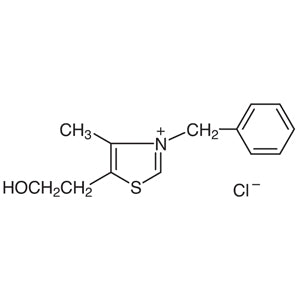
- TCI B1224 4568-71-2 3-Benzyl-5-(2-hydroxyethyl)-4-methylthiazolium Chloride
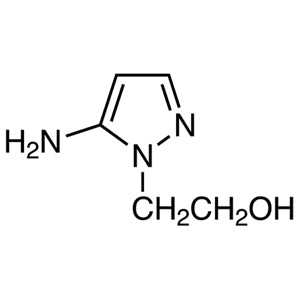
- TCI A2619 73616-27-0 5-Amino-1-(2-hydroxyethyl)pyrazole
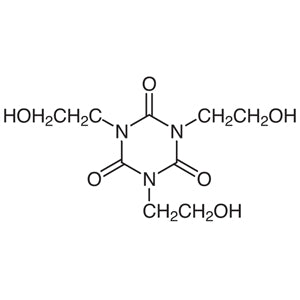
- TCI T0674 839-90-7 Tris(2-hydroxyethyl) Isocyanurate
- TCI M0908 67004-64-2 2-(2-Hydroxyethyl)-1-methylpyrrolidine
- Heterocyclic Compound Synthesis: This compound is ideal for creating complex ring structures, which are fundamental in pharmaceutical and material science research.
- Organic Chemistry Education: It is frequently used in teaching laboratories to demonstrate reaction mechanisms and synthetic strategies.
- Pharmaceutical Development: Its reactivity makes it suitable for the synthesis of drug molecules and bioactive compounds.
- Material Science Research: It is employed in the creation of advanced polymers and functional materials with specific chemical properties.
- Industrial Chemical Production: Its versatility supports the manufacture of various chemical intermediates used in different industries.
| Brand | TCI |
|---|---|
| CAS number | 103-76-4 |
| Molecular formula | — |
| Purity | — |
| Category | Chemistry > Building Blocks > Heterocyclic Building Blocks |
| Pack sizes | Available in various quantities as per supplier specifications |
| Physical form | Liquid |
| Storage | Store in a cool, dry place away from direct sunlight |
This compound should be stored in a cool, dry environment, away from direct sunlight and sources of heat. It is recommended to use airtight containers to prevent moisture absorption and contamination. Due to its reactivity, it should be handled with care, using appropriate personal protective equipment such as gloves and safety goggles. It is important to ensure proper ventilation in the laboratory to minimize exposure to vapors. The compound should not be stored near incompatible substances such as strong oxidizing agents. Regular inspection of storage conditions is advised to maintain its chemical integrity and ensure safe laboratory practices.
—
Produk Terkait
-
1,4-Bis(2-hydroxyethyl)piperazine TCI B4903
Regular price From Rp 848.400,00Regular price -
tert-Butyl4-(2-Hydroxyethyl)piperazine-1-carboxylate TCI B6368
Regular price From Rp 1.246.350,00Regular price -
3-Benzyl-5-(2-hydroxyethyl)-4-methylthiazoliumChloride TCI B1224
Regular price Rp 2.227.050,00Regular price -
5-Amino-1-(2-hydroxyethyl)pyrazole TCI A2619
Regular price From Rp 1.353.450,00Regular price -
Tris(2-hydroxyethyl)Isocyanurate TCI T0674
Regular price Rp 530.250,00Regular priceRp 386.400,00Sale price Rp 530.250,00 -
2-(2-Hydroxyethyl)-1-methylpyrrolidine TCI M0908
Regular price From Rp 3.155.250,00Regular price -
3-(2-Hydroxyethyl)oxazolidin-2-one TCI H1923
Regular price From Rp 2.068.500,00Regular price -
1-(2-Hydroxyethyl)pyrrolidine-2,5-dione TCI H1850
Regular price From Rp 903.000,00Regular price