4-(2-Benzothiazolyldithio)morpholine is a complex chemical compound widely used in organic synthesis reactions. As a heterocyclic building block, it plays a crucial role in the development of various chemical compounds, including pharmaceuticals, industrial materials, and organic substances. Its unique molecular structure allows for high reactivity under different chemical conditions, making it a versatile reagent in laboratory settings. This compound is particularly valuable for researchers aiming to create new molecules with specific biological or functional properties.
The compound's heterocyclic structure provides exceptional reactivity, enabling it to participate in substitution, addition, and catalytic reactions. Its stability under certain conditions further enhances its usability, ensuring reliable performance during experimental processes. The combination of reactivity and stability makes it a preferred choice for chemists working on complex molecular designs. Its ability to be incorporated into a wide range of synthetic pathways contributes to its popularity in both academic and industrial research.
In Indonesian laboratories, this compound is extensively used in organic chemistry research, especially in pharmaceutical and material science fields. Local researchers frequently utilize it to develop new compounds with potential medical or industrial applications. Its availability supports ongoing scientific experiments and technological advancements, making it an essential component in the chemical research toolkit of Indonesian scientists.
Related TCI products
- Organic Synthesis: This compound is ideal for creating complex molecules due to its reactivity and structural versatility, enabling the development of pharmaceuticals and advanced materials.
- Pharmaceutical Research: Its heterocyclic structure makes it suitable for synthesizing bioactive compounds, supporting drug discovery and development efforts.
- Material Science: The compound's chemical properties allow it to be used in the production of organic materials with specific functional characteristics.
- Catalytic Reactions: Its ability to participate in various reaction types makes it a valuable reagent in catalytic processes, enhancing reaction efficiency.
- Academic Research: It is widely used in educational and research settings to explore new synthetic methodologies and molecular structures.
| Brand | TCI |
|---|---|
| CAS number | 95-32-9 |
| Molecular formula | — |
| Purity | — |
| Category | Chemistry > Building Blocks > Heterocyclic Building Blocks |
| Pack sizes | Available in various quantities as per standard laboratory supply |
| Physical form | Solid or liquid, depending on the specific product variant |
| Storage | Store in a cool, dry place away from light and moisture |
This compound should be stored in a cool, dry environment, away from direct light and moisture to maintain its stability and reactivity. It is recommended to use airtight containers to prevent exposure to air and contaminants. Proper labeling of storage containers is essential to ensure safe handling and prevent accidental use. In laboratory settings, it is important to follow standard safety protocols, including the use of personal protective equipment when handling. The compound should be kept in a designated chemical storage area to minimize risks associated with improper storage. Regular inspection of storage conditions helps ensure the compound remains in optimal condition for use in research applications.
—
Produk Terkait
-
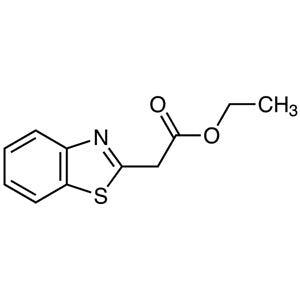
Ethyl2-(2-Benzothiazolyl)acetate TCI B2168
Regular price From Rp 1.711.000,00Regular priceRp 1.180.000,00Sale price From Rp 1.711.000,00 -
N-(3-Aminopropyl)morpholine TCI A0409
Regular price From Rp 648.000,00Regular priceRp 456.000,00Sale price From Rp 648.000,00 -
4-(p-Tolyl)morpholine TCI T2215
Regular price Rp 3.345.000,00Regular priceRp 2.292.000,00Sale price Rp 3.345.000,00 -
N-(Trimethylsilyl)morpholine TCI T1277
Regular price From Rp 1.452.000,00Regular priceRp 1.003.000,00Sale price From Rp 1.452.000,00 -
4-(2-Aminoethyl)morpholine TCI A0883
Regular price From Rp 1.114.000,00Regular priceRp 774.000,00Sale price From Rp 1.114.000,00 -
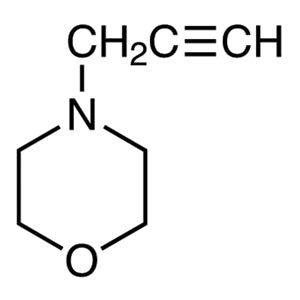
4-(2-Propyn-1-yl)morpholine TCI P2170
Regular price From Rp 544.000,00Regular priceRp 386.000,00Sale price From Rp 544.000,00 -
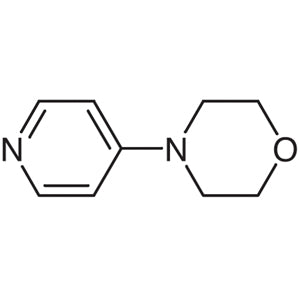
4-(4-Pyridyl)morpholine TCI P1646
Regular price From Rp 3.578.000,00Regular priceRp 2.451.000,00Sale price From Rp 3.578.000,00 -
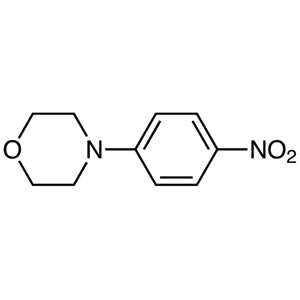
4-(4-Nitrophenyl)morpholine TCI N1124
Regular price From Rp 595.000,00Regular priceRp 421.000,00Sale price From Rp 595.000,00