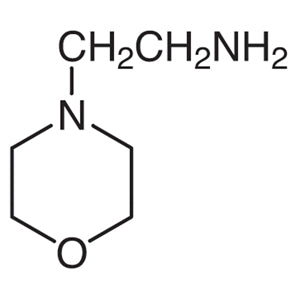
4-(2-Aminoethyl)morpholine is a versatile chemical compound widely used in laboratory settings for the synthesis of heterocyclic compounds. As a building block in organic chemistry, it plays a crucial role in the development of new materials and pharmaceuticals. Its unique structure, derived from morpholine with an aminoethyl group, allows for a wide range of chemical reactions. This compound is essential in research aimed at creating complex organic molecules with specific functional properties. Its adaptability makes it a valuable resource for scientists working in various fields.
The compound's chemical properties, including its reactivity towards substitution and condensation reactions, make it a preferred choice in synthetic chemistry. Its ability to interact with acids, bases, and other reagents enables the formation of diverse derivatives. The stability of 4-(2-Aminoethyl)morpholine under certain conditions ensures its reliability in controlled laboratory environments. These characteristics make it an ideal candidate for both academic and industrial research applications.
In Indonesian laboratories, 4-(2-Aminoethyl)morpholine is commonly used in chemical, pharmaceutical, and biochemical research. Its role in synthesizing new compounds and functional materials makes it a key component in the development of advanced chemical products. Researchers rely on its reactivity and structural versatility to explore new chemical pathways and applications, contributing to scientific innovation in the region.
Related TCI products
- TCI A0304 140-31-8 N-(2-Aminoethyl)piperazine
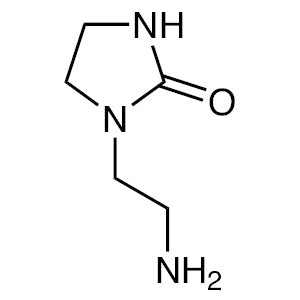
- TCI A3472 6281-42-1 1-(2-Aminoethyl)imidazolidin-2-one
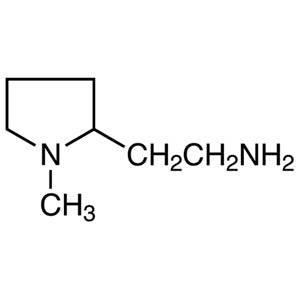
- TCI A2382 51387-90-7 2-(2-Aminoethyl)-1-methylpyrrolidine
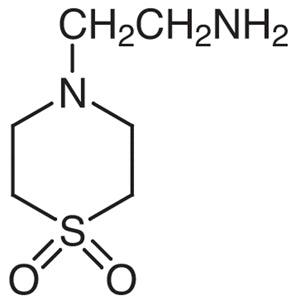
- TCI A1803 89937-52-0 4-(2-Aminoethyl)thiomorpholine 1,1-Dioxide
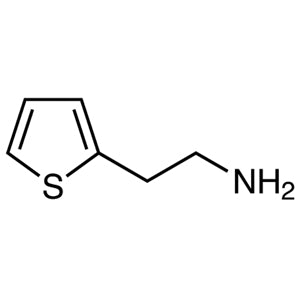
- TCI A1637 30433-91-1 2-(2-Aminoethyl)thiophene
- TCI A0884 7154-73-6 1-(2-Aminoethyl)pyrrolidine
- Organic synthesis: This compound is widely used in the synthesis of complex organic molecules due to its reactivity and structural versatility.
- Pharmaceutical research: It serves as a building block for the development of new drugs and medicinal compounds.
- Heterocyclic chemistry: Its morpholine core makes it ideal for the synthesis of various heterocyclic structures.
- Biochemical studies: It is used in the creation of compounds for biochemical and biotechnological applications.
- Material science: It contributes to the development of new materials with specific functional properties.
| Brand | TCI |
|---|---|
| CAS number | 2038-03-1 |
| Molecular formula | — |
| Purity | — |
| Category | Chemistry > Building Blocks > Heterocyclic Building Blocks |
| Pack sizes | Available in various quantities as per supplier specifications |
| Physical form | Liquid or solid, depending on the specific product |
| Storage | Store in a cool, dry place away from direct sunlight |
This compound should be stored in a cool, dry environment to maintain its chemical stability. It is recommended to use airtight containers to prevent moisture absorption and contamination. Due to its reactivity, it should be handled in a well-ventilated area, preferably under a fume hood. Avoid exposure to strong acids or bases to prevent unwanted reactions. Always wear appropriate personal protective equipment, such as gloves and safety goggles, when handling this material. Proper storage and handling ensure the compound remains effective and safe for use in laboratory applications.
—
Produk Terkait
-
N-(2-Aminoethyl)piperazine TCI A0304
Regular price From Rp 505.050,00Regular price -
1-(2-Aminoethyl)imidazolidin-2-one TCI A3472
Regular price From Rp 1.565.550,00Regular price -
2-(2-Aminoethyl)-1-methylpyrrolidine TCI A2382
Regular price Rp 822.150,00Regular priceRp 590.100,00Sale price Rp 822.150,00 -
4-(2-Aminoethyl)thiomorpholine1,1-Dioxide TCI A1803
Regular price From Rp 2.597.700,00Regular price -
2-(2-Aminoethyl)thiophene TCI A1637
Regular price From Rp 743.400,00Regular price -
1-(2-Aminoethyl)pyrrolidine TCI A0884
Regular price From Rp 1.696.800,00Regular price -
1-(2-Dimethylaminoethyl)-5-mercaptotetrazole TCI D2032
Regular price Rp 1.246.350,00Regular price -
1-(2-Dimethylaminoethyl)-4-methylpiperazine TCI D1766
Regular price From Rp 875.700,00Regular price