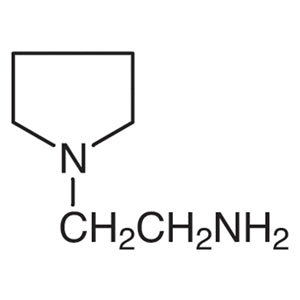
1-(2-Aminoethyl)pyrrolidine is a versatile chemical compound widely used in laboratory settings for the synthesis of heterocyclic and complex organic compounds. As a building block in chemical synthesis, it provides a fundamental structure that can be modified through various chemical reactions. Its unique structure combines a pyrrolidine ring with an aminoethyl group, offering a flexible platform for further functionalization. This compound plays a crucial role in the development of pharmaceuticals, industrial chemicals, and intermediate compounds due to its reactivity and compatibility with a wide range of functional groups.
The compound's reactivity stems from its amino group, which allows it to participate in multiple types of chemical reactions, including substitution, coupling, and cyclization. Its ability to interact with acids, bases, and organic solvents makes it highly adaptable in synthetic processes. Additionally, its chemical stability under controlled conditions enhances its utility in laboratory applications. These properties make it a preferred choice for researchers aiming to synthesize complex molecules with high specificity and efficiency.
In Indonesian laboratories, 1-(2-Aminoethyl)pyrrolidine is commonly used in pharmaceutical research and chemical synthesis projects. Its availability in solid form and ease of handling make it a practical option for researchers. The compound is particularly valuable in the development of new drugs and chemical intermediates, contributing to advancements in both academic and industrial research settings.
Related TCI products
- TCI A0304 140-31-8 N-(2-Aminoethyl)piperazine
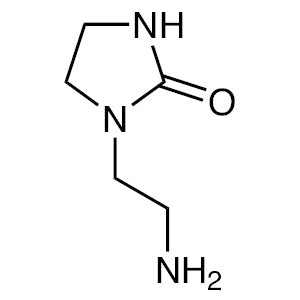
- TCI A3472 6281-42-1 1-(2-Aminoethyl)imidazolidin-2-one
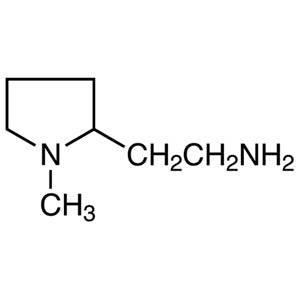
- TCI A2382 51387-90-7 2-(2-Aminoethyl)-1-methylpyrrolidine
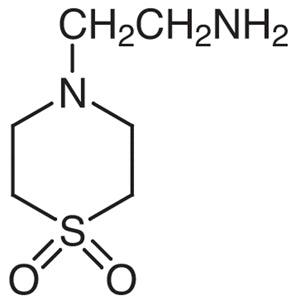
- TCI A1803 89937-52-0 4-(2-Aminoethyl)thiomorpholine 1,1-Dioxide
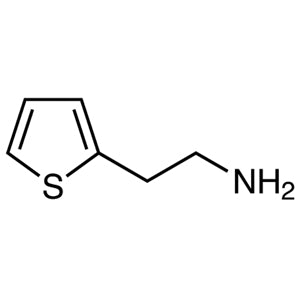
- TCI A1637 30433-91-1 2-(2-Aminoethyl)thiophene
- TCI A0883 2038-03-1 4-(2-Aminoethyl)morpholine
- Pharmaceutical research utilizes this compound for the synthesis of drug molecules due to its reactivity and structural versatility.
- Organic chemistry experiments benefit from its ability to undergo various functional group transformations, enhancing synthetic flexibility.
- Industrial chemical production relies on its role as an intermediate in the creation of complex organic compounds.
- Drug discovery programs incorporate it for the development of novel therapeutic agents through targeted chemical modifications.
- Academic research in chemical synthesis leverages its properties for the creation of heterocyclic compounds with specific biological activities.
| Brand | TCI |
|---|---|
| CAS number | 7154-73-6 |
| Molecular formula | — |
| Purity | — |
| Category | Chemistry > Building Blocks > Heterocyclic Building Blocks |
| Pack sizes | Available in various quantities as per standard laboratory supply standards |
| Physical form | Solid |
| Storage | Store in a cool, dry place away from moisture and direct sunlight |
This compound should be stored in a cool, dry environment to maintain its chemical stability. It is recommended to keep it in a sealed container to prevent exposure to moisture and air, which can affect its reactivity. Due to its sensitivity to temperature and humidity, it should be stored in a controlled laboratory setting. Suitable containers include glass or high-density polyethylene vessels that are resistant to chemical interaction. General laboratory precautions include avoiding contact with strong acids or bases, and ensuring proper ventilation when handling. Researchers should always wear appropriate personal protective equipment to ensure safe handling and minimize potential risks.
—
Produk Terkait
-
N-(2-Aminoethyl)piperazine TCI A0304
Regular price From Rp 505.050,00Regular price -
1-(2-Aminoethyl)imidazolidin-2-one TCI A3472
Regular price From Rp 1.565.550,00Regular price -
2-(2-Aminoethyl)-1-methylpyrrolidine TCI A2382
Regular price Rp 769.650,00Regular price -
4-(2-Aminoethyl)thiomorpholine1,1-Dioxide TCI A1803
Regular price From Rp 2.597.700,00Regular price -
2-(2-Aminoethyl)thiophene TCI A1637
Regular price From Rp 743.400,00Regular price -
4-(2-Aminoethyl)morpholine TCI A0883
Regular price From Rp 1.087.800,00Regular price -
1-(2-Dimethylaminoethyl)-5-mercaptotetrazole TCI D2032
Regular price Rp 1.246.350,00Regular price -
1-(2-Dimethylaminoethyl)-4-methylpiperazine TCI D1766
Regular price From Rp 875.700,00Regular price