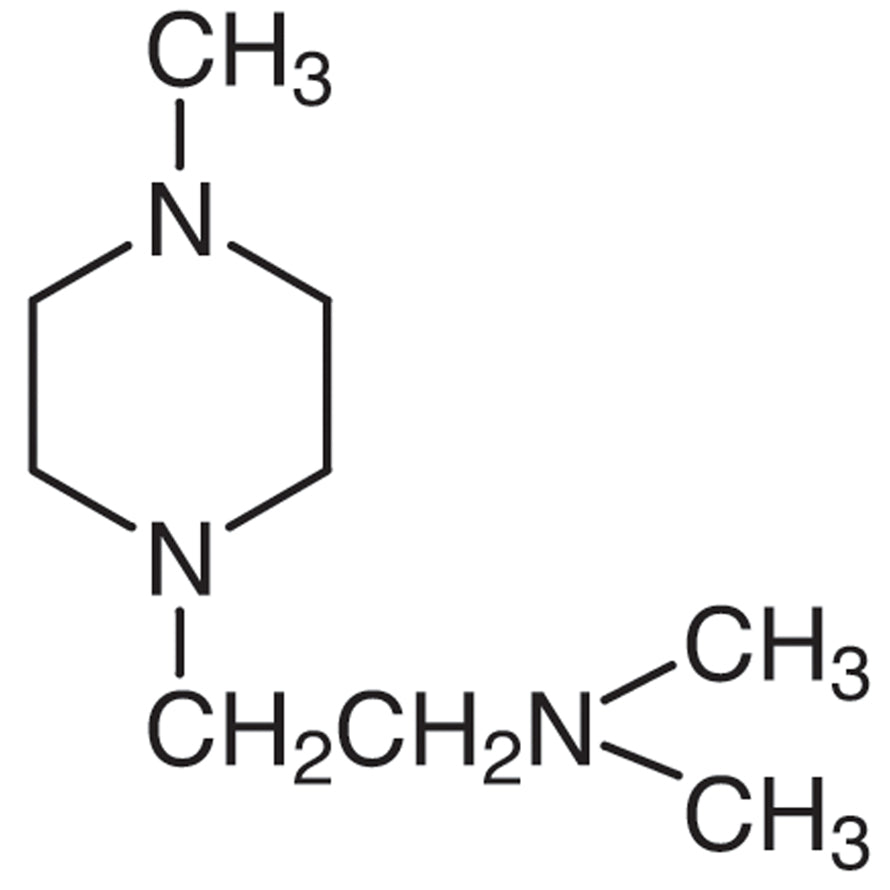
1-(2-Dimethylaminoethyl)-4-methylpiperazine is a chemical compound widely used in laboratory settings as a building block for the synthesis of heterocyclic compounds. This versatile reagent plays a crucial role in organic chemistry by enabling the formation of complex molecular structures that incorporate nitrogen atoms. Its presence is essential in various synthetic pathways, particularly where the development of nitrogen-containing compounds is required. In Indonesian laboratories, this compound is a key component in the research and development of pharmaceuticals, industrial chemicals, and synthetic organic materials.
The compound’s chemical stability and reactivity make it a preferred choice for chemists and pharmacologists. It exhibits good solubility in organic solvents, which facilitates its use in a wide range of chemical reactions. Its ability to interact with acids, bases, and other organic reagents allows for the synthesis of diverse functional groups. This adaptability makes it an indispensable tool in the creation of complex molecules, supporting both academic research and industrial applications.
In Indonesian laboratories, 1-(2-Dimethylaminoethyl)-4-methylpiperazine is commonly used by researchers in the fields of chemistry and pharmacy. Its role in the development of new compounds and its compatibility with various reaction conditions make it a staple in synthetic processes. The compound’s utility is further enhanced by its ability to participate in substitution, addition, and coupling reactions, making it a valuable asset in the pursuit of scientific innovation.
Related TCI products
- TCI D2032 61607-68-9 1-(2-Dimethylaminoethyl)-5-mercaptotetrazole
- TCI A0304 140-31-8 N-(2-Aminoethyl)piperazine
- TCI A3772 4572-03-6 3-(4-Methylpiperazin-1-yl)propan-1-amine
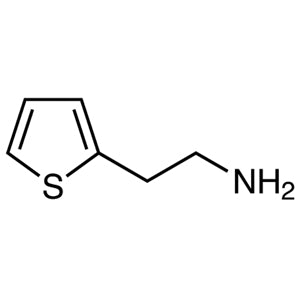
- TCI A1637 30433-91-1 2-(2-Aminoethyl)thiophene
- TCI A1192 6928-85-4 1-Amino-4-methylpiperazine
- TCI A0884 7154-73-6 1-(2-Aminoethyl)pyrrolidine
- Synthesis of heterocyclic compounds: This compound is ideal for creating complex nitrogen-containing structures due to its versatile reactivity and ability to form stable intermediates.
- Pharmaceutical research: It is frequently used in the development of new drugs, as it can be modified to produce various bioactive molecules with therapeutic potential.
- Organic synthesis: Its solubility in organic solvents and reactivity with multiple reagents make it suitable for a wide range of synthetic reactions.
- Industrial chemical production: It serves as a foundational building block for the manufacture of various industrial chemicals and specialty compounds.
- Academic research: It is widely utilized in educational and research settings to explore chemical reactivity and molecular structure.
| Brand | TCI |
|---|---|
| CAS number | 104-19-8 |
| Molecular formula | — |
| Purity | — |
| Category | Chemistry > Building Blocks > Heterocyclic Building Blocks |
| Pack sizes | Available in various quantities as per standard laboratory supply |
| Physical form | Liquid |
| Storage | Store in a cool, dry place away from direct sunlight |
This compound should be stored in a cool, dry environment, away from direct sunlight and sources of heat. It is recommended to keep it in a tightly sealed container to prevent exposure to air and moisture. Due to its chemical reactivity, it should be handled with appropriate personal protective equipment, including gloves and safety goggles. It is advisable to store it in a well-ventilated area to minimize the risk of inhalation. Avoid contact with incompatible substances such as strong oxidizing agents. Regular monitoring of storage conditions is essential to maintain its stability and ensure safe laboratory practices.
—
Produk Terkait
-
1-(2-Dimethylaminoethyl)-5-mercaptotetrazole TCI D2032
Regular price Rp 1.246.350,00Regular price -
N-(2-Aminoethyl)piperazine TCI A0304
Regular price From Rp 505.050,00Regular price -
3-(4-Methylpiperazin-1-yl)propan-1-amine TCI A3772
Regular price From Rp 2.359.350,00Regular price -
2-(2-Aminoethyl)thiophene TCI A1637
Regular price From Rp 743.400,00Regular price -
1-Amino-4-methylpiperazine TCI A1192
Regular price From Rp 1.908.900,00Regular price -
1-(2-Aminoethyl)pyrrolidine TCI A0884
Regular price From Rp 1.696.800,00Regular price -
4-(2-Aminoethyl)morpholine TCI A0883
Regular price From Rp 1.087.800,00Regular price -
1-Methylpiperazin-2-one TCI M3684
Regular price From Rp 1.485.750,00Regular price