Vinyl 4-tert-Butylbenzoate is a chemical compound widely used in scientific experiments, particularly in the fields of materials science and organic chemistry. As a monomer, it plays a crucial role in polymerization reactions, making it essential for the synthesis of new polymers or the modification of existing ones. Its chemical structure allows it to participate effectively in various synthetic processes, contributing to the development of advanced materials with tailored properties. This compound is commonly found in laboratory settings where researchers are working on polymer-based projects or exploring new chemical reactions.
One of the key attributes of Vinyl 4-tert-Butylbenzoate is its stable molecular structure and good reactivity, which enable efficient chemical reactions. It is also non-polar, allowing it to dissolve easily in organic solvents such as ethers and benzene. These properties make it a preferred choice for applications requiring non-reactive solvents. Its solubility and chemical stability ensure reliable results in experimental setups, making it a versatile reagent in both academic and industrial research environments.
In Indonesian laboratories, Vinyl 4-tert-Butylbenzoate is used extensively in scientific research and higher education. It is a common material in polymerization studies, organic compound modifications, and the development of new materials. Its availability supports various experimental needs, contributing to the advancement of scientific knowledge and innovation in the region.
TCI brochures (PDF)
- Monomers 2025-05-28 · p. 13
Related TCI products
- TCI A0045 108-05-4 Vinyl Acetate Monomer (stabilized with HQ)
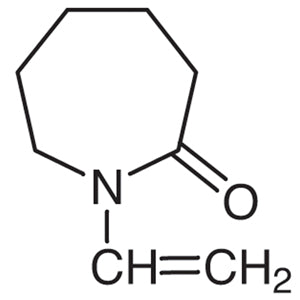
- TCI V0073 2235-00-9 N-Vinyl-epsilon-caprolactam (stabilized with HO-TEMPO)
- TCI V0057 3194-70-5 2-Vinyl-4,6-diamino-1,3,5-triazine
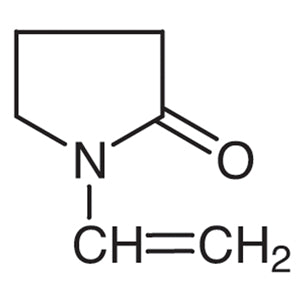
- TCI V0026 88-12-0 1-Vinyl-2-pyrrolidone (stabilized with N,N'-Di-sec-butyl-p-phenylenediamine)
- TCI U0057 5299-57-0 Vinyl 10-Undecenoate (stabilized with MEHQ)
- TCI T1216 433-28-3 Vinyl Trifluoroacetate (stabilized with TBC)
- Polymerization studies benefit from Vinyl 4-tert-Butylbenzoate due to its role as a monomer in creating new polymer structures.
- Organic compound modification experiments use this reagent for altering molecular structures and enhancing material properties.
- Material development research relies on Vinyl 4-tert-Butylbenzoate for synthesizing advanced polymers with specific functional characteristics.
- Educational institutions incorporate this compound into teaching labs to demonstrate polymerization mechanisms and chemical reactivity.
- Industrial research applications utilize this material for the production of specialty polymers and polymer-based products.
| Brand | TCI |
|---|---|
| CAS number | 15484-80-7 |
| Molecular formula | — |
| Purity | — |
| Category | Materials Science > Polymer/Macromolecule Reagents > Monomers |
| Pack sizes | As per supplier specifications |
| Physical form | Liquid |
| Storage | Store in a cool, dry place away from direct sunlight |
Vinyl 4-tert-Butylbenzoate should be stored in a cool, dry environment, away from direct sunlight and sources of heat. It is recommended to keep the compound in a sealed container made of glass or inert plastic to prevent contamination and maintain its chemical integrity. Due to its non-polar nature, it is important to use appropriate safety measures when handling the material, such as wearing gloves and protective eyewear. In laboratory settings, it should be stored separately from incompatible substances to avoid any potential chemical interactions. Proper ventilation should be ensured when working with this reagent to minimize exposure risks. Following these guidelines ensures safe and effective use in both academic and research environments.
—
Product Categories
Produk Terkait
-
VinylAcetateMonomer(stabilizedwithHQ) TCI A0045
Regular price Rp 477.750,00Regular priceRp 333.900,00Sale price Rp 477.750,00 -
N-Vinyl-epsilon-caprolactam(stabilizedwithHO-TEMPO) TCI V0073
Regular price From Rp 900.900,00Regular priceRp 645.750,00Sale price From Rp 900.900,00 -
2-Vinyl-4,6-diamino-1,3,5-triazine TCI V0057
Regular price Rp 10.414.950,00Regular priceRp 7.298.550,00Sale price Rp 10.414.950,00 -
1-Vinyl-2-pyrrolidone(stabilizedwithN,N'-Di-sec-butyl-p-phenylenediamine) TCI V0026
Regular price From Rp 530.250,00Regular priceRp 386.400,00Sale price From Rp 530.250,00 -
Vinyl10-Undecenoate(stabilizedwithMEHQ) TCI U0057
Regular price Rp 2.041.200,00Regular priceRp 1.442.700,00Sale price Rp 2.041.200,00 -
VinylTrifluoroacetate(stabilizedwithTBC) TCI T1216
Regular price Rp 6.573.000,00Regular priceRp 4.611.600,00Sale price Rp 6.573.000,00 -
VinylBenzoate(stabilizedwithMEHQ) TCI B1032
Regular price From Rp 582.750,00Regular priceRp 423.150,00Sale price From Rp 582.750,00 -
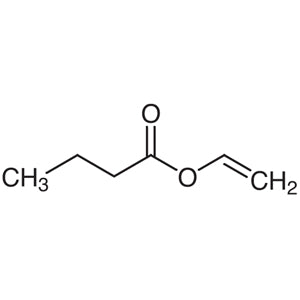
VinylButyrate(stabilizedwithMEHQ) TCI B0765
Regular price From Rp 505.050,00Regular priceRp 352.800,00Sale price From Rp 505.050,00