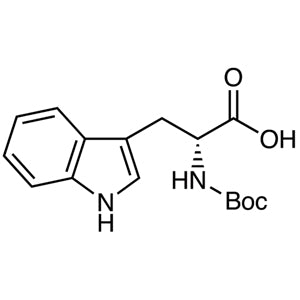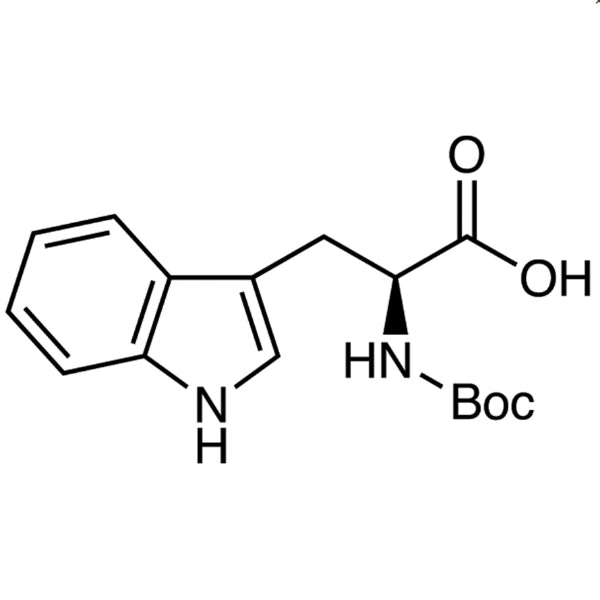
N-(tert-Butoxycarbonyl)-L-tryptophan is a chemical compound widely used in chemical and biochemical experiments, particularly in peptide synthesis. As a protected amino acid derivative, it plays a crucial role in the development of peptides and proteins, enabling controlled chemical reactions during synthesis. This compound is commonly found in research laboratories focused on drug development, protein modification, and molecular structure studies. Its unique chemical structure allows for precise chemical modifications, making it an essential component in the field of peptide chemistry.
The compound is valued for its stability under specific conditions and its ability to undergo targeted chemical reactions. It is a preferred choice due to its compatibility with various reagents and its role in facilitating deprotonation and other essential reactions in peptide synthesis. Its chemical properties make it ideal for use in controlled environments where precision and reliability are critical. Additionally, its molecular complexity ensures that it can participate in a wide range of biochemical processes, enhancing its versatility in laboratory settings.
In Indonesian laboratories, N-(tert-Butoxycarbonyl)-L-tryptophan is frequently used in biomedical and pharmacological research. It is a key reagent in the development of new drugs and the study of protein mechanisms. Due to its importance in these fields, it is often sought after by research institutions aiming to advance scientific knowledge and innovation. Its availability and effectiveness make it a preferred choice for researchers working in these areas.
TCI brochures (PDF)
- Amino Acids and Peptide Synthesis Reagents 2025-08-14 · p. 12
Related TCI products
- TCI B2259 5241-64-5 N-(tert-Butoxycarbonyl)-D-tryptophan
- TCI F0507 143824-78-6 Nalpha-[(9H-Fluoren-9-ylmethoxy)carbonyl]-N1-tert-butoxycarbonyl-L-tryptophan
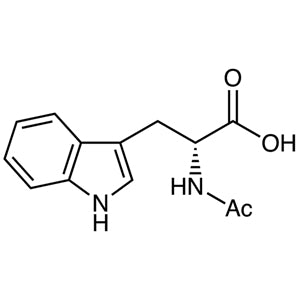
- TCI A0119 2280-01-5 N-Acetyl-D-tryptophan
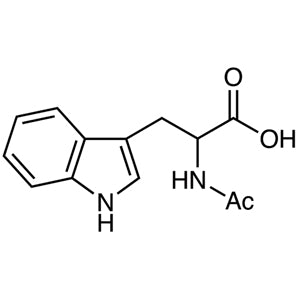
- TCI A0120 87-32-1 N-Acetyl-DL-tryptophan
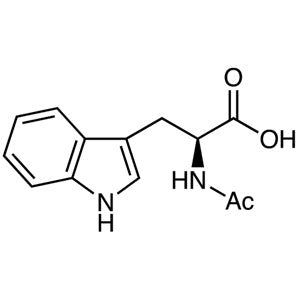
- TCI A0121 1218-34-4 N-Acetyl-L-tryptophan
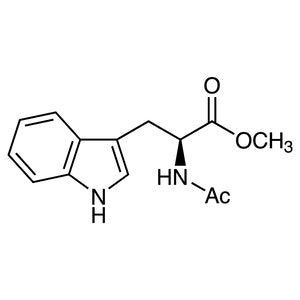
- TCI A3486 2824-57-9 Methyl N-Acetyl-L-tryptophanate
- Peptide Synthesis: This compound is essential for constructing peptides by protecting the amino group, allowing for controlled coupling reactions.
- Drug Development: It is used in the synthesis of bioactive compounds, aiding in the creation of new pharmaceuticals with targeted therapeutic effects.
- Protein Modification: Its structure enables the modification of proteins, facilitating the study of their function and behavior in biological systems.
- Molecular Structure Studies: It is employed in research to understand the structural properties of amino acids and their derivatives.
- Biomedical Research: It supports investigations into the mechanisms of disease and the development of therapeutic strategies.
| Brand | TCI |
|---|---|
| CAS number | 13139-14-5 |
| Molecular formula | — |
| Purity | — |
| Category | Chemistry > Chemical Biology > Peptide Chemistry |
| Pack sizes | Available in various quantities as per standard laboratory supply |
| Physical form | Solid powder |
| Storage | Should be stored in airtight containers under refrigeration to maintain stability and prevent degradation. |
N-(tert-Butoxycarbonyl)-L-tryptophan should be stored in airtight containers to protect it from moisture and air exposure. It is best kept in a cool, dry place, ideally refrigerated to maintain its chemical stability and prevent degradation. Laboratory personnel should handle the compound with care, using appropriate personal protective equipment to avoid direct contact. Due to its sensitivity, it is important to ensure that the storage environment is controlled and free from contaminants. Regular monitoring of storage conditions is recommended to ensure the compound remains in optimal condition for use in experiments.
—
Product Categories
Produk Terkait
-
N-(tert-Butoxycarbonyl)-D-tryptophan TCI B2259
Regular price From Rp 875.700,00Regular priceRp 627.900,00Sale price From Rp 875.700,00 -
Nalpha-[(9H-Fluoren-9-ylmethoxy)carbonyl]-N1-tert-butoxycarbonyl-L-tryptophan TCI F0507
Regular price From Rp 2.227.050,00Regular priceRp 1.572.900,00Sale price From Rp 2.227.050,00 -
N-Acetyl-D-tryptophan TCI A0119
Regular price From Rp 822.150,00Regular priceRp 590.100,00Sale price From Rp 822.150,00 -
N-Acetyl-DL-tryptophan TCI A0120
Regular price From Rp 689.850,00Regular priceRp 497.700,00Sale price From Rp 689.850,00 -
N-Acetyl-L-tryptophan TCI A0121
Regular price From Rp 530.250,00Regular priceRp 386.400,00Sale price From Rp 530.250,00 -
MethylN-Acetyl-L-tryptophanate TCI A3486
Regular price From Rp 1.829.100,00Regular priceRp 1.294.650,00Sale price From Rp 1.829.100,00 -
N-Acetyl-L-tryptophanEthylEster TCI A0122
Regular price Rp 1.192.800,00Regular priceRp 849.450,00Sale price Rp 1.192.800,00 -
Nalpha-[(9H-Fluoren-9-ylmethoxy)carbonyl]-D-tryptophan TCI F0609
Regular price From Rp 769.650,00Regular priceRp 553.350,00Sale price From Rp 769.650,00