Fullerene C60, with CAS number 99685-96-8, is a unique carbon compound with a spherical molecular structure. This material plays a crucial role in modern scientific research, particularly in the fields of materials science and electronics. As a molecular conductor, it is widely used in laboratories for studying electronic properties, chemical reactions, and the development of advanced materials. Its significance lies in its ability to conduct electricity and its unique reactivity, making it a key component in various experimental setups.
Fullerene C60 is prized for its exceptional stability, electron-accepting properties, and optical characteristics. These features make it ideal for applications requiring precise control over electron interactions or chemical reactivity. Its ability to absorb and transfer electrons efficiently is particularly valuable in the study of molecular conductors and the development of new electronic materials. Additionally, its optical properties are beneficial in optoelectronic and photovoltaic research, supporting innovations in energy and technology.
In Indonesian laboratories, Fullerene C60 is commonly used in material science, chemical research, and technological development. It is a preferred choice for experiments involving molecular conductivity, electronic behavior, and advanced material synthesis. Its versatility and scientific importance make it an essential tool for researchers working on cutting-edge projects in both academic and industrial settings.
Advantages (TCI brochure)
- Rubidium- and cesium-doped fullerenes show superconductivity above 30 K
- Cs3C60 superconductivity reported at 38 K
TCI brochures (PDF)
- Molecular Conductors 2025-11-13 · p. 2
- Nanocarbon Materials 2026-09-30 · p. 2
Related TCI products
- TCI B1694 115383-22-7 Fullerene C70
- TCI B1641 99685-96-8 Fullerene C60 (pure)
- TCI F1233 115383-22-7 Fullerene C70 (purified by sublimation) [for organic electronics]
- TCI F1232 99685-96-8 Fullerene C60 (purified by sublimation) [for organic electronics]
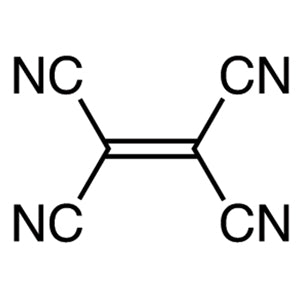
- TCI T3264 670-54-2 Tetracyanoethylene (purified by sublimation)
- TCI T3034 1518-16-7 7,7,8,8-Tetracyanoquinodimethane (purified by sublimation)
- Molecular Conductivity Studies: Fullerene C60 is ideal for examining how molecular structures conduct electricity, aiding in the development of new electronic materials.
- Electronic Material Development: Its conductive properties make it a key component in the research and production of advanced electronic materials.
- Chemical Reaction Analysis: The compound's reactivity allows for the study of electron transfer processes in various chemical environments.
- Optoelectronic Research: Its optical properties are used to investigate light absorption and emission in photovoltaic and optoelectronic devices.
- Nanotechnology Applications: Fullerene C60 is used in the synthesis of nanomaterials due to its unique molecular structure and stability.
From the TCI brochure
- Alkali-doped fullerene superconductor
- Three-dimensional fullerene salts
| Brand | TCI |
|---|---|
| CAS number | 99685-96-8 |
| Molecular formula | — |
| Purity | — |
| Category | Materials Science > Electronic Materials > Molecular Conductors |
| Pack sizes | Available in various quantities as per supplier specifications |
| Physical form | Powder |
| Storage | Store in a cool, dry place away from light and moisture |
Data from the TCI brochure
| Tc | > 30 K (rubidium- and cesium-doped fullerenes) |
|---|---|
| Tc | 38 K (Cs3C60) |
Source: TCI brochure F2004 (2025-11-13)
Fullerene C60 should be stored in a cool, dry environment, away from direct light and moisture to maintain its stability and prevent degradation. It is recommended to use airtight containers made of inert materials such as glass or stainless steel to avoid contamination. Due to its reactivity, it should be handled with care, using appropriate personal protective equipment like gloves and safety goggles. In laboratory settings, it is important to ensure good ventilation and to follow standard safety protocols when working with this compound. Proper storage and handling are essential to preserve its chemical integrity and ensure safe usage in research applications.
—
Produk Terkait
-
FullereneC70 TCI B1694
Regular price Rp 4.957.050,00Regular priceRp 3.466.050,00Sale price Rp 4.957.050,00 -
FullereneC60(pure) TCI B1641
Regular price From Rp 1.458.450,00Regular priceRp 1.019.550,00Sale price From Rp 1.458.450,00 -
FullereneC70(purifiedbysublimation)[fororganicelectronics] TCI F1233
Regular price Rp 8.453.550,00Regular priceRp 5.911.500,00Sale price Rp 8.453.550,00 -
FullereneC60(purifiedbysublimation)[fororganicelectronics] TCI F1232
Regular price Rp 4.771.200,00Regular priceRp 3.335.850,00Sale price Rp 4.771.200,00 -
Tetracyanoethylene(purifiedbysublimation) TCI T3264
Regular price From Rp 1.934.100,00Regular priceRp 1.368.150,00Sale price From Rp 1.934.100,00 -
7,7,8,8-Tetracyanoquinodimethane(purifiedbysublimation) TCI T3034
Regular price From Rp 2.730.000,00Regular priceRp 1.924.650,00Sale price From Rp 2.730.000,00 -
Tetrathiafulvalene-7,7,8,8-TetracyanoquinodimethaneComplex TCI T2468
Regular price Rp 8.718.150,00Regular priceRp 6.112.050,00Sale price Rp 8.718.150,00 -
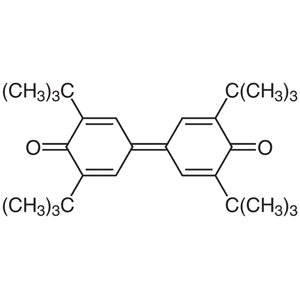
3,3',5,5'-Tetra-tert-butyl-4,4'-diphenoquinone TCI T1503
Regular price Rp 2.306.850,00Regular priceRp 1.628.550,00Sale price Rp 2.306.850,00