2,2'-Bis(trifluoromethyl)benzidine is a chemical compound widely used as a building block in the synthesis of complex organic compounds. This material plays a crucial role in laboratory settings where researchers aim to modify aromatic structures through various chemical reactions. Its unique molecular structure, featuring two trifluoromethyl groups attached to a benzidine core, makes it a versatile reagent for organic synthesis. Due to its chemical stability and reactivity, it is frequently employed in advanced chemical research to develop new compounds with specific functional properties.
The compound's reactivity and electronic properties make it a preferred choice for chemists working on functional group modifications and molecular design. The presence of trifluoromethyl substituents imparts distinct electronic characteristics, enabling it to participate in substitution, oxidation, and covalent reactions. These properties allow it to be used in a wide range of synthetic pathways, particularly in the development of pharmaceuticals and specialty materials. Its ability to undergo controlled chemical transformations under specific conditions makes it a valuable tool in both academic and industrial research environments.
In Indonesian laboratories, 2,2'-Bis(trifluoromethyl)benzidine is commonly used in organic chemistry research, especially in higher education institutions and research centers. It is a key component in experiments related to drug development, polymer synthesis, and material science. Its availability and reliability make it a standard reagent in many chemical laboratories across Indonesia, supporting both fundamental and applied research initiatives.
TCI brochures (PDF)
- Aromatic Monomers with Trifluoromethyl Groups 2025-07-09 · p. 1
- Raw Materials for Polyimide Synthesis 2026-05-11 · p. 4
- Monomers 2025-05-28 · p. 29
Related TCI products
- TCI T2969 364-13-6 2-(Trifluoromethyl)-1,4-phenylenediamine
- TCI F0794 6264-67-1 4-Fluoro-1,3-phenylenediamine
- TCI T3239 368-53-6 5-Trifluoromethyl-1,3-phenylenediamine
- TCI H1279 918-21-8 Hexafluoro-2,3-bis(trifluoromethyl)-2,3-butanediol
- TCI B6503 366008-67-5 2,5-Bis(trifluoromethyl)terephthalic Acid
- TCI T3098 84-67-3 m-Tolidine
- Organic synthesis is a primary application where this compound is used to modify aromatic structures through substitution and oxidation reactions.
- Pharmaceutical research benefits from its unique electronic properties, enabling the development of new drug molecules with specific functional groups.
- Material science applications leverage its reactivity to create advanced polymers and specialty materials with tailored properties.
- Analytical chemistry uses it as a reference standard for spectroscopic and chromatographic analyses due to its distinct molecular structure.
- Environmental studies incorporate it in the synthesis of compounds used to monitor and assess chemical pollutants in various ecosystems.
| Brand | TCI |
|---|---|
| CAS number | 341-58-2 |
| Molecular formula | — |
| Purity | — |
| Category | Chemistry > Building Blocks > Fluorinated Building Blocks |
| Pack sizes | Available in various quantities as per standard laboratory supply |
| Physical form | Solid, typically in crystalline or powder form |
| Storage | Store in a cool, dry place away from moisture and direct sunlight |
This compound should be stored in a cool, dry environment to maintain its chemical stability. It is recommended to keep it in a sealed container to prevent exposure to moisture and air. Due to its reactivity, it should be handled in a well-ventilated laboratory with appropriate personal protective equipment. Avoid contact with strong acids or bases, as these can trigger unwanted chemical reactions. Regular monitoring of storage conditions is essential to ensure the compound remains in optimal condition for use in research applications. Proper labeling and safe handling practices are crucial to minimize risks associated with its chemical properties.
—
Produk Terkait
-
2-(Trifluoromethyl)-1,4-phenylenediamine TCI T2969
Regular price Rp 1.829.100,00Regular priceRp 1.278.900,00Sale price Rp 1.829.100,00 -
4-Fluoro-1,3-phenylenediamine TCI F0794
Regular price Rp 4.957.050,00Regular priceRp 3.466.050,00Sale price Rp 4.957.050,00 -
5-Trifluoromethyl-1,3-phenylenediamine TCI T3239
Regular price Rp 1.326.150,00Regular priceRp 942.900,00Sale price Rp 1.326.150,00 -
Hexafluoro-2,3-bis(trifluoromethyl)-2,3-butanediol TCI H1279
Regular price From Rp 2.625.000,00Regular priceRp 1.835.400,00Sale price From Rp 2.625.000,00 -
2,5-Bis(trifluoromethyl)terephthalicAcid TCI B6503
Regular price From Rp 3.155.250,00Regular priceRp 2.206.050,00Sale price From Rp 3.155.250,00 -
m-Tolidine TCI T3098
Regular price Rp 2.439.150,00Regular priceRp 1.720.950,00Sale price Rp 2.439.150,00 -
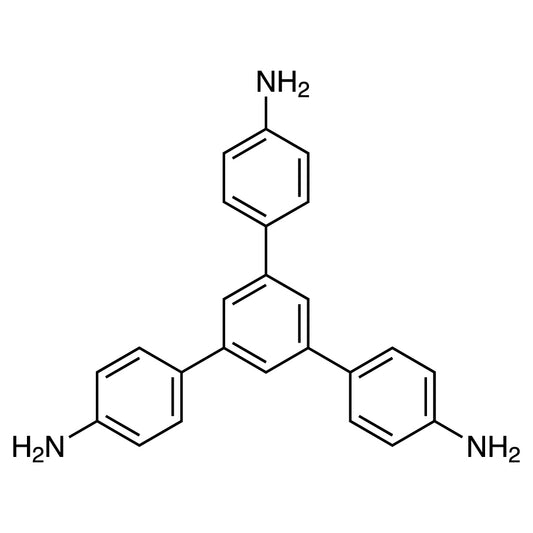
1,3,5-Tris(4-aminophenyl)benzene TCI T2728
Regular price From Rp 6.465.900,00Regular priceRp 4.537.050,00Sale price From Rp 6.465.900,00 -
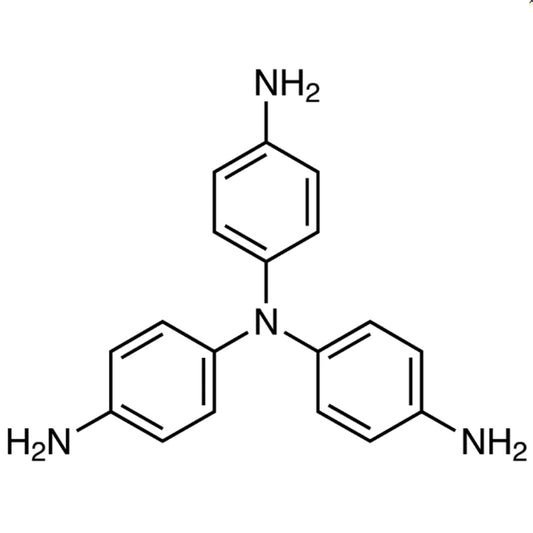
Tris(4-aminophenyl)amine TCI T2332
Regular price From Rp 3.127.950,00Regular priceRp 2.202.900,00Sale price From Rp 3.127.950,00